

Why Daikin Inverter vs Traditional HVAC Technology Is a Decision Worth Getting Right
Daikin inverter vs traditional HVAC technology comes down to one fundamental difference: how the compressor manages power. Here's a quick breakdown:
| Feature | Daikin Inverter (Daikin Fit) | Traditional 1-Stage System |
|---|---|---|
| Compressor operation | Variable speed — adjusts continuously | Fixed speed — fully on or fully off |
| Energy savings | Up to 30% less energy use | Higher consumption from constant cycling |
| Temperature consistency | Steady, precise control | Noticeable temperature swings |
| Humidity control | Continuous, effective | Intermittent — builds up when system is off |
| Noise level | As low as 56 dB(A) | Typically 69–79 dB |
| Cold climate performance | Operates down to -13°F | Limited effectiveness below 40–50°F |
| Warranty | 12-year parts and unit replacement | Typically 10-year parts only |
If you live in Seattle, you already know the climate asks a lot from your HVAC system — cool, damp winters, humid summers, and plenty of days where the weather shifts dramatically in a single afternoon. Many homeowners here are stuck with older, fixed-speed systems that blast on at full power, overshoot the target temperature, shut off, and then repeat the whole cycle again. The result? Uneven rooms, high utility bills, and a home that never quite feels right.
The gap between what traditional systems can deliver and what modern inverter technology makes possible is significant — and for Seattle homeowners prioritizing comfort, efficiency, and sustainability, it's a gap worth understanding before your next HVAC decision.
The Core Mechanics: Daikin Inverter vs Traditional HVAC Technology
To truly understand the debate of daikin inverter vs traditional hvac technology, we have to look under the hood at the compressor. In a traditional 1-stage HVAC system, the compressor is binary—it is either 100% on or 100% off. Imagine driving your car through downtown Seattle traffic by only using two settings: flooring the gas pedal or slamming on the brakes. Not only is that an uncomfortable ride, but it also wastes an incredible amount of fuel.
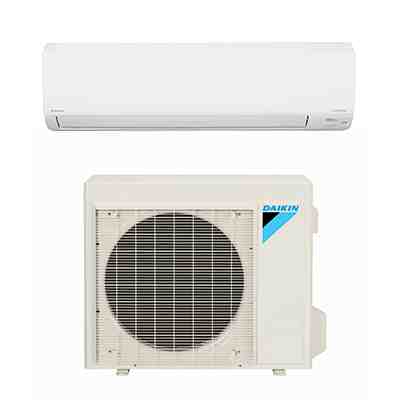
Daikin’s inverter technology works more like cruise control on the I-5. Instead of stopping and starting, the inverter motor modulates its speed. It slows down or speeds up in tiny increments to match the exact heating or cooling load of your home at any given moment. This process of modulation is what sets Inverter vs Non-Inverter AC systems apart. When your home only needs a 30% cooling effort—perhaps on a mild Tukwila afternoon—the Daikin Fit runs at exactly that capacity, rather than wasting energy by cycling at full blast.
Eliminating Temperature Swings with Daikin Inverter vs Traditional HVAC Technology
One of the most common complaints we hear from homeowners in the Pacific Northwest is the "freeze then sweat" cycle. Traditional systems wait for the indoor temperature to drift several degrees past the thermostat setting before kicking in. Once they do, they dump a massive amount of conditioned air into the house all at once.
By choosing an Inverter Technology Air Conditioners solution, you eliminate these peaks and valleys. Because the system runs almost continuously at lower speeds, it maintains a precise, steady temperature. It’s a level of Advanced HVAC Systems performance that ensures your living room feels the same at 2:00 PM as it does at 2:00 AM. This consistent operation is a primary reason Why Choose an Inverter AC System for your next home upgrade.
How Daikin Inverter vs Traditional HVAC Technology Handles Extreme Cold
There is a lingering myth that heat pumps can't handle real winters. While that might have been true for older, traditional heat pumps that struggled once temperatures dipped below 40°F, Daikin’s inverter-driven heat pumps have changed the game.
In the Pacific Northwest, where we can see sudden cold snaps, the Daikin Fit provides reliable performance in freezing temperatures. These systems are designed to pull heat from the outdoor air even when temperatures drop as low as -13°F. This makes them a viable, all-electric solution for homeowners looking to move away from fossil fuel heating without sacrificing warmth during a Washington winter.
Superior Comfort and Humidity Control in Seattle Homes
Seattle is famous for its "gray" days and high humidity. Traditional HVAC systems are notoriously bad at managing moisture because they don't run long enough to actually pull humidity out of the air. They cool the air quickly and then shut off, leaving that "clammy" feeling behind.
Because a What is AC Inverter Technology system like the Daikin Fit runs for longer cycles at a lower speed, it provides constant air circulation and superior dehumidification. It acts as a dedicated moisture-wicking system for your entire home. When paired with the Daikin One+ smart thermostat, the system communicates in real-time to adjust for lifestyle changes—like when you’re hosting a dinner party and the extra body heat requires a slight boost in cooling and moisture removal. This is the hallmark of a truly Energy Efficient HVAC System.
Efficiency and Sustainability: Beyond the Utility Bill
When we look at the data for daikin inverter vs traditional hvac technology, the energy savings are hard to ignore. Homeowners can expect up to a 30% reduction in energy consumption compared to standard 1-stage systems. But the benefits go beyond just the monthly bill.
- R32 Refrigerant: Daikin is leading the way in sustainability by using R32 refrigerant, which has a significantly lower Global Warming Potential (GWP) than the refrigerants found in older systems.
- Solar Compatibility: If you have solar panels or are considering them, inverter systems are the superior choice. Traditional units require a massive "spike" of electricity (high startup amps) to kick the motor into gear. Inverter motors ramp up slowly, making them much easier for solar batteries and arrays to handle.
- Material Sustainability: Interestingly, Daikin inverter heat pumps are more "lean" to manufacture. They use up to 25% less aluminum, 28% less copper, and 45% less steel than traditional non-inverter units, reducing the overall environmental footprint of the equipment itself.
For those focused on long-term ecological impact, exploring Most Energy Efficient HVAC Systems is the first step toward a greener home.
Design and Durability: The Daikin Fit Advantage
In many Seattle neighborhoods, space is at a premium. Traditional HVAC units are often large, "cube" shaped boxes that require significant clearance and can block walkways. The Daikin Fit breaks this mold with a side-discharge, slim-line design.
With a depth ranging from only 12.6” to 13.8”, the Daikin Fit can be installed in narrow side yards with as little as 4” of wall clearance. This physical footprint makes it the ideal candidate for Choosing the Right HVAC System when you don't want to sacrifice your outdoor living space.
Furthermore, the noise difference is staggering. While a traditional unit might roar at 79 decibels—loud enough to disrupt a backyard barbecue—the Daikin Fit operates as low as 56 dB(A). To put that in perspective, it’s quieter than a common electric toothbrush.
Long-Term Maintenance and Reliability
One of the biggest killers of HVAC equipment is the mechanical stress of starting and stopping. Every time a traditional motor kicks on from a dead stop, it experiences a surge of friction and heat. Because inverter systems avoid this constant on/off cycling, the internal components experience far less wear and tear over time.
Key durability features include:
- Blue Fin Corrosion Coating: Protects the condenser coil from the damp, salty air common in the Pacific Northwest.
- Reduced Vibration: Variable speed operation is smoother, leading to fewer loose parts and leaks over the years.
- Industry-Leading Warranty: While the industry standard is often a 10-year parts-only warranty, the Daikin Fit is backed by a 12-year parts and unit replacement warranty, giving you peace of mind for over a decade.
Common Questions About Modern HVAC Upgrades
How much energy can I save by switching to a Daikin Fit?
Most homeowners see a significant drop in their cooling and heating costs. On average, switching from a traditional 1-stage system to a Daikin Fit inverter system can result in 30% or more energy reduction. Because the system spends most of its time running at lower, highly efficient speeds rather than 100% power, the savings add up quickly over the course of a year.
Is an inverter system quieter than a traditional outdoor unit?
Absolutely. Inverter systems are up to five times quieter than non-inverter models. The Daikin Fit typically operates between 58-60 decibels, whereas traditional systems often range between 69 and 79 decibels. If your outdoor unit is located near a bedroom window or a patio, the difference in "acoustical comfort" is one of the first things you will notice.
When is a traditional HVAC system still a preferred choice?
While inverter technology is superior in almost every performance category, a traditional system might still be considered if you are on an extremely tight upfront budget and have very simple cooling needs. Additionally, if your home has existing ductwork that is in perfect condition and you are looking for the most basic "like-for-like" replacement, a traditional unit is an option—though you will miss out on the long-term energy savings and comfort benefits.
Conclusion
The evolution of home comfort in the Pacific Northwest is moving toward precision, quiet operation, and environmental responsibility. When comparing daikin inverter vs traditional hvac technology, it’s clear that the "old way" of blasting air on and off is becoming a relic of the past.
At Daikin (Seattle), we believe that choosing a system should be a hands-on experience. That’s why we invite you to visit our Daikin Experience Center in Seattle. It’s a unique space where you can actually see, hear, and feel the difference of inverter technology for yourself. Whether you are looking to lower your carbon footprint or simply want a home that stays at the perfect temperature year-round, we are here to help you navigate the future of Decarbonization and Inverter Technology.
The right HVAC system isn't just an appliance; it's an investment in your home’s long-term health and your family’s daily comfort. Let's find the fit that's right for you.
https://www.daikinseattle.com/decompressor-inverter-technology