

.webp)

.svg)


single zone mini split not working in lynnwood wa #1
When Your Mini-Split Stops Working: Quick Fixes for Lynnwood Homeowners
If your single zone mini split not working in lynnwood wa, you're likely facing one of these common issues:
- Power/Settings Problem: Check your remote batteries, verify the unit is set to the correct mode (Heat/Cool), ensure the temperature setting is appropriate, and confirm the circuit breaker hasn't tripped
- Airflow Restriction: Dirty air filters or a debris-blocked outdoor unit are preventing proper operation
- Refrigerant Leak: Look for ice buildup on indoor coils, reduced heating/cooling capacity, or hissing sounds
- Drainage Issue: A clogged condensate line is causing water to back up and trigger safety shutoffs
- Component Failure: The control board, thermistor sensor, or compressor may have malfunctioned
Living in Lynnwood means your mini-split faces unique challenges—from heavy pollen in spring that clogs filters faster, to damp Pacific Northwest air that promotes mold growth, to occasional ice buildup on outdoor units during winter freezes. These local climate factors can accelerate wear and create problems that homeowners in drier climates rarely encounter.
The good news? Many mini-split issues have straightforward solutions you can tackle yourself before calling for help. Some problems, however, require professional diagnosis and repair to prevent further damage or safety hazards. This guide will walk you through both scenarios, helping you understand what's fixable on your own and when it's time to bring in an expert who understands both mini-split technology and Lynnwood's specific environmental conditions.
Single zone mini split not working in lynnwood wa further reading:
- best single zone mini split company in marysville wa
- reliable single zone mini split company in snohomish wa
- single zone mini split making noise in everett wa
Your First Response: DIY Troubleshooting Checklist
Before you pick up the phone, let's walk through some simple troubleshooting steps. Many common mini-split problems can be resolved with a quick check or adjustment, saving you time and a service call. Our goal is to empower you with the knowledge to handle minor hiccups and correctly identify when professional help is truly needed.
Check the Power and Settings
It might sound obvious, but often the simplest solutions are the most overlooked. If your single zone mini split not working in lynnwood wa, start here:
- Remote Control Batteries: Are they dead? A unresponsive remote is a common culprit. Replace the batteries and try again.
- Correct Mode: Is your unit set to "Heat" when you want cooling, or vice-versa? Ensure the remote and the unit are set to the desired mode (COOL or HEAT).
- Temperature Setting: Is the set temperature significantly different from the current room temperature? For cooling, the set temperature should be at least 5 degrees below the room temperature. For heating, it should be 5 degrees above. If the set temperature is too close, the unit might not kick on.
- Tripped Breaker: Head to your electrical panel. Has the circuit breaker for your mini-split tripped? This is a common occurrence, especially after a power surge or if the system briefly overloads. Simply flip it back on. If it trips again immediately, it signals a more serious electrical issue that needs professional attention.
- Outdoor Disconnect Switch: Many outdoor units have a separate shutoff switch near the unit itself. Ensure it's in the "on" position.
- Power Cycle: Sometimes, just like your computer, your mini-split needs a reboot. Turn the unit off at the circuit breaker for 60 seconds, then turn it back on. This can clear minor glitches and error codes.
Inspect and Clean for Proper Airflow
Restricted airflow is a leading cause of mini-split inefficiency and failure. It's often an easy fix!
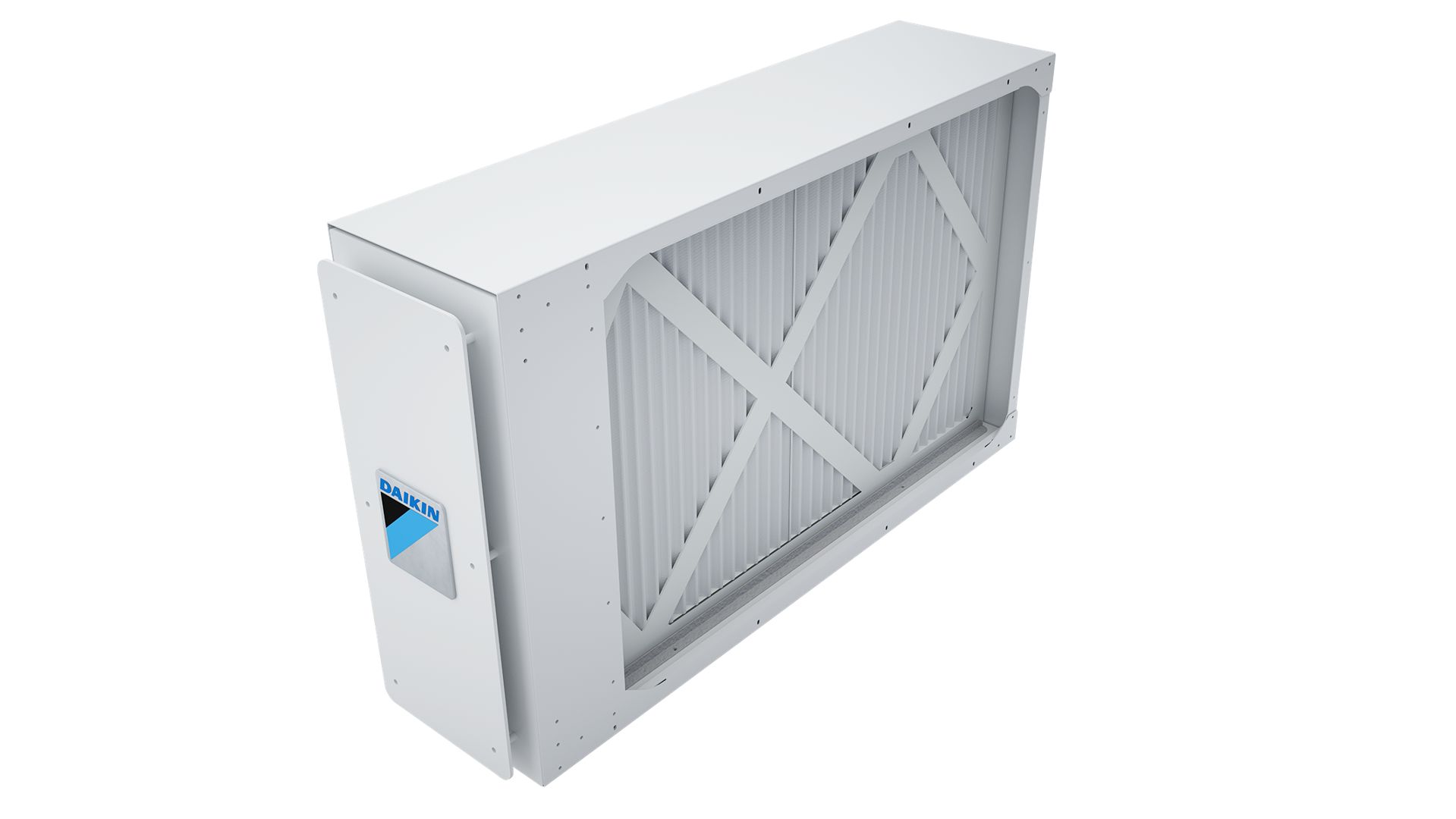
- Dirty Air Filters: This is arguably the most common issue. Dirty or clogged air filters can lead to inadequate heating or cooling, water leakage, mold and mildew growth, musty smells, and even system damage. We recommend cleaning or replacing your filters monthly. Simply remove them, wash with lukewarm water, let them dry completely, and put them back.
- Indoor Unit Obstructions: Make sure nothing is blocking the vents or air intake on your indoor unit. Curtains, furniture, or even dust buildup can impede airflow.
- Outdoor Condenser Unit: Your outdoor unit needs to breathe! Inspect it for debris like leaves, twigs, grass clippings, or even snow and ice during winter. Clear away any obstructions. Trim shrubs and plants to maintain at least two feet of clearance around the unit. This ensures proper heat exchange, which is critical for both heating and cooling functions.
Why Your Single Zone Mini Split is Not Working in Lynnwood, WA: Common Culprits
When your single zone mini split not working in lynnwood wa despite your best DIY efforts, it's time to dig deeper into the potential underlying causes. These often require a professional touch, especially with the advanced inverter technology that makes Daikin mini-splits so efficient.
Component and Sensor Malfunctions
Modern mini-splits are sophisticated pieces of equipment, featuring advanced control boards and sensors that act like miniature computers. When these components falter, the entire system can go awry.
- Control Board Issues: The control board is the brain of your mini-split. Damage from power surges, lightning strikes, or simply age can cause it to malfunction, leading to unresponsive controls or system shutdowns.
- Fan Motor Problems: Both the indoor and outdoor units have fan motors. If these get damaged or dirty, they can lead to poor airflow, unusual noises, or complete system failure.
- Thermistor Sensor Malfunctions: These small sensors monitor temperatures. If a thermistor is faulty, the unit might misread the room temperature, leading to inconsistent heating or cooling, or the system failing to reach the desired set point.
- Compressor Issues: The compressor is the heart of your mini-split, responsible for circulating refrigerant. Compressor failure is a major issue, often indicated by the unit running but not producing heat or cold, or making loud grinding noises. Our advanced inverter technology helps prolong compressor life by adjusting output rather than cycling on and off, but even the best components can eventually wear out.
- Improper Grounding: An often-overlooked electrical issue, improper grounding can leave the control board vulnerable to damage from power surges, stray electrical energy, and radio frequency interference.
Refrigerant and Drainage Problems
These are two very common culprits when your single zone mini split not working in lynnwood wa. They can quickly lead to noticeable symptoms:
- Refrigerant Leaks: If your system is blowing air but not effectively heating or cooling, low refrigerant levels are a likely cause. Refrigerant doesn't get "used up"; if it's low, you have a leak. Symptoms include ice buildup on the indoor evaporator coil, reduced capacity, longer run times, and sometimes a hissing or bubbling sound from the indoor unit. A professional refrigerant leak detection and repair is essential, as handling refrigerants requires specific licensing.
- Frozen Coils: A frozen evaporator coil can occur due to dirty filters restricting airflow or low refrigerant levels. When the coil freezes, it can't properly absorb or release heat, leading to poor performance and potentially water leaks as the ice melts.
- Clogged Condensate Drain Line: Mini-splits naturally produce condensation, especially when cooling. This water collects in a drain pan and exits through a drain line. If this line gets clogged (often by algae buildup, dust, or mold), water can back up, causing leaks from the indoor unit. We've seen significant water damage to walls and flooring from this issue.
- Condensate Pump Failure: If your indoor unit uses a condensate pump to expel water (often necessary if gravity drainage isn't possible), a failed pump will cause water to back up and leak.
The Impact of Lynnwood's Climate
Lynnwood, nestled in the beautiful Pacific Northwest, offers a unique climate that, while picturesque, can present specific challenges for your mini-split system.
- High Pollen Seasons: Our spring and summer bring beautiful blooms and, for many, high pollen counts. This pollen, along with general dust and debris, can rapidly clog your mini-split's filters and coat its coils, leading to restricted airflow and reduced efficiency faster than in other regions. This is why we emphasize frequent filter cleaning!
- Damp Air and Mold Growth: The consistent moisture in our Pacific Northwest air, combined with varying indoor temperatures, can create an ideal environment for mold and mildew to grow within your mini-split's indoor unit and condensate drain line. This can lead to musty odors and drain line blockages.
- Winter Ice on Outdoor Unit: While mini-splits are designed to operate efficiently in cold weather, severe winter conditions in Lynnwood can sometimes lead to excessive ice buildup on the outdoor unit. If the unit is covered in snow or ice, it can restrict airflow and impair its heating capability. Ensure your outdoor unit is clear of snow and ice, and consider units with optional drain pan heaters for extreme cold.
- Power Fluctuations from Storms: Lynnwood occasionally experiences power fluctuations or outages due to winter storms. These can sometimes lead to tripped breakers or, in more severe cases, damage to the mini-split's sensitive electrical components and control boards.
When to Call a Professional for Your Mini-Split
We've covered a lot of ground on what you can check yourself. But there are times when your single zone mini split not working in lynnwood wa requires the expertise of a professional. Knowing when to call us can prevent further damage, ensure safe operation, and save you from more costly repairs down the line.
DIY Fixes for a Single Zone Mini Split Not Working in Lynnwood, WA
To recap, here are the issues you can confidently tackle yourself:
- Filter Cleaning: Regular cleaning of your indoor unit's air filters.
- Clearing Outdoor Unit: Removing leaves, twigs, and other debris from around the outdoor unit, and ensuring adequate clearance from plants.
- Resetting the System: Performing a power cycle by turning off the unit at the circuit breaker for about a minute.
- Checking Remote Settings: Ensuring the correct mode and temperature are selected, and replacing remote batteries.
- Checking Breakers: Resetting a tripped circuit breaker (unless it immediately trips again).
When to Call a Pro for Your Single Zone Mini Split Not Working in Lynnwood, WA
If you've gone through the DIY checklist and your mini-split is still struggling, or if you encounter any of the following, it's time to call in the experts. Our Daikin technicians are familiar with the specific challenges of the Lynnwood climate and are equipped with advanced diagnostic tools.
- Strange Noises: While some clicking or whirring is normal, grinding, squealing, or persistent buzzing noises indicate a serious mechanical problem, possibly with the fan motor or compressor. A hissing or bubbling sound almost always points to a refrigerant leak.
- Persistent Water Leaks: If your indoor unit continues to leak water after you've cleaned the filters and checked for obvious drain line blockages, there might be a more complex drainage issue, a failed condensate pump, or a frozen coil caused by refrigerant problems.
- Visible Frost or Ice: If you see frost or ice on your indoor evaporator coil or the outdoor unit (beyond normal defrost cycles), it's a strong indicator of low refrigerant or severe airflow restriction that needs professional diagnosis.
- Electrical Smells or Issues: Any burning smell, flickering lights, or repeated circuit breaker trips signal a dangerous electrical problem. Do not attempt to fix these yourself; electrical problems can pose a fire hazard.
- Error Codes: Many Daikin mini-splits display error codes on the indoor unit or remote. While some simple codes can be reset with a power cycle, persistent or complex codes require professional interpretation and repair.
- Unit Cycles Frequently: If your mini-split is turning on and off much more often than usual (short-cycling), it could indicate an improperly sized unit, low refrigerant, or a malfunctioning component.
- High Energy Bills: A sudden spike in your energy consumption without a change in usage could mean your mini-split is working harder than it should, often due to inefficiency caused by dirty components, low refrigerant, or a failing part.
- No Heating or Cooling After DIY Checks: If you've diligently checked settings, cleaned filters, and cleared the outdoor unit, but your system still isn't providing the desired heating or cooling, it's time for a professional diagnosis.
- System Age: While a well-maintained mini-split can last 10 to 20 years, older systems are more prone to component failures. We can help you assess if repair or replacement is the most cost-effective solution.
Proactive Care: Preventing Mini-Split Failures
The best way to deal with your single zone mini split not working in lynnwood wa is to prevent it from happening in the first place! Regular maintenance is the key to ensuring optimal performance, energy efficiency, and extending the lifespan of your system. Our Daikin systems are designed for longevity, but they thrive with consistent care.
Essential Homeowner Maintenance Tasks
You play a crucial role in the health of your mini-split! Here are some simple, yet effective, tasks you can perform:
- Monthly Filter Cleaning: As mentioned, this is paramount. For most homes, cleaning filters monthly is ideal. However, in Lynnwood, with our high pollen seasons or if you have pets, we recommend checking and cleaning them every two weeks. This is the single most effective thing you can do to maintain performance and efficiency.
- Keeping Outdoor Unit Clear: Regularly inspect and clear away any leaves, twigs, grass clippings, or other debris from around your outdoor condenser unit. Ensure shrubs and plants are trimmed back at least two feet to allow for proper airflow. During winter, remove any snow or ice accumulation.
- Monitoring Performance: Pay attention to how your system is operating. Is it heating or cooling as effectively as before? Are there any new, unusual sounds or smells? Early detection of changes can prevent minor issues from escalating into major problems.
- Checking for Unusual Sounds or Smells: A musty or moldy smell can indicate a clogged drain line or mold growth. A vinegar smell might also point to a refrigerant leak. Any grinding, squealing, or persistent buzzing should be investigated.
The Importance of Annual Professional Servicing
While DIY maintenance is vital, it doesn't replace the need for professional, comprehensive servicing. We advise having a professional HVAC technician perform routine maintenance at least once a year. For ductless mini-split heating and cooling systems, we recommend professional maintenance twice a year: once before the cooling season and once before the heating season.
During these seasonal tune-ups, our Daikin experts will perform a thorough inspection and address critical areas:
- Coil Cleaning: Beyond what you can do at home, professionals can deep clean both indoor evaporator and outdoor condenser coils, removing stubborn dirt and grime that restrict heat transfer.
- Electrical Connection Check: We'll inspect all electrical connections for looseness or damage, ensuring safe and reliable operation.
- Refrigerant Level Inspection: We'll check refrigerant levels and inspect for any signs of leaks. If a leak is detected, we have the specialized tools and licensing to repair it properly.
- Drain Line Flush: We'll flush the condensate drain line to prevent algae buildup and blockages, especially important in Lynnwood's damp climate.
- Blower Wheel Cleaning: The indoor unit's blower wheel can accumulate significant dust and dirt, reducing airflow and efficiency. We'll ensure it's clean and operating optimally.
- System Calibration: We'll check and calibrate your system's components and controls to ensure they are working together efficiently.
- Addressing Minor Repairs: During maintenance, our technicians can often spot and address minor issues before they become major, costly breakdowns.
Regular professional maintenance helps extend your mini-split's lifespan (which can be 10 to 20 years with proper care), improve its quiet operation, improve energy efficiency, and prevent unexpected breakdowns, ensuring your comfort year-round in Lynnwood.
Frequently Asked Questions about Mini-Split Issues
We often hear similar questions from homeowners whose single zone mini split not working in lynnwood wa. Here are some of the most common ones:
Why is my mini-split blowing air, but not heating or cooling?
This is a classic symptom with several potential causes:
- Dirty Filters: Clogged air filters severely restrict airflow, preventing the unit from effectively transferring heat.
- Blocked Outdoor Unit: If the outdoor condenser unit is obstructed by debris or plants, it can't dissipate or absorb heat properly.
- Incorrect Thermostat Setting: Double-check that your unit is set to the correct mode (heat or cool) and that the temperature setting is significantly different from the current room temperature.
- Low Refrigerant Levels: If your system is low on refrigerant, it indicates a leak. Without enough refrigerant, the unit cannot complete the heat exchange cycle needed for heating or cooling. This requires a professional repair.
- Malfunctioning Components: A faulty compressor, fan motor, or sensor could also be preventing the unit from performing its core function.
Why is my mini-split unit leaking water indoors?
Indoor water leaks are frustrating but usually point to one of these issues:
- Clogged Condensate Drain Line: This is the most frequent cause. Dust, dirt, mold, or algae can build up and block the line, causing the condensate water to back up and overflow from the indoor unit.
- Dirty Air Filter Causing Coil to Freeze: A severely dirty filter restricts airflow over the indoor coil. This can cause the coil to get too cold and freeze over. When this ice melts, it can overwhelm the drain pan and cause water to leak.
- Failed Condensate Pump: If your unit relies on a condensate pump to move water out, and the pump fails (due to power loss, blockage, or mechanical failure), water will accumulate and leak.
How often should I clean my mini-split filters in the Lynnwood area?
Given Lynnwood's climate and environmental factors, we recommend cleaning your mini-split filters monthly for most homes. However, if you have pets, smokers in the home, or live in a particularly dusty area (such as during high pollen seasons in spring/summer), you may need to check and clean them every two weeks. Regular filter cleaning is crucial for maintaining efficiency and preventing many common problems.
Restore Your Comfort with Expert Help
When your single zone mini split not working in lynnwood wa, it disrupts your comfort and can be a source of stress. While we encourage you to perform basic troubleshooting, some issues require the specialized knowledge and tools of a professional.
Our Daikin experts are deeply familiar with the nuances of mini-split systems and the unique environmental factors of Lynnwood and the wider Pacific Northwest. We're committed to providing advanced HVAC solutions that deliver indoor comfort, energy efficiency, and sustainability. If your mini-split is giving you trouble, don't hesitate to reach out. We're here to diagnose the problem accurately, perform efficient repairs, and get your system back to optimal performance.
Contact us for single-zone mini-split services and let us restore comfort to your Lynnwood home.
Schedule a Visit

your individual indoor comfort needs
products firsthand
with an authorized Daikin Dealer
.webp)
See why our customers Choose Us

“Jem is very inviting and knowledgeable. She gave us a walk through of the Daikin Experience Center and patiently answered all our questions. Learned a lot about HVAC’s through this visit.”
“Jem did a great job walking us through the various Daikin products and efficiencies of the products. She was very knowledgeable on everything Daikin. Highly recommend coming in for a tour prior to picking out your various AC systems.”
“Great experience at Daikin Seattle Experience Center: pre-purchase demos of home heating system (Daikin Fit), list of HVAC companies, working Daikin staff and external contractors to ensure highest quality. This experience sets the bar of how any home HVAC experience should be. Have got the Daikin Fit installed and so far seems to work very well – quiet, good home heating in peak winter (heat transfer/BTU/air handling); Functionality of Daikin thermostat and the iPhone app makes it very easy to use.”
“This place is awesome! If you are in the market for a new HVAC system, visit the Daikin Experience Center to get educated on the newest technology as well as available rebates and incentives for where you live. They’ll even connect you with local contractors in your area who install Daikin equipment.”
