

.webp)

.svg)


Single Zone vs Multi Zone Mini Split in Seattle, WA 1!
Why Choosing the Right Mini Split Matters for Seattle Homes

Single zone vs multi zone mini split in seattle, wa is a critical decision for homeowners seeking efficient climate control in the Pacific Northwest. With Seattle's unpredictable weather—mild winters, warm summers, and year-round dampness—your heating and cooling choice directly impacts your comfort and energy bills.
Quick Answer:
Single-Zone Mini Split: One outdoor unit connects to one indoor unit. Best for heating/cooling a single room, addition, garage, or specific problem area. Lower upfront cost, simpler installation, maximum efficiency for that one space.
Multi-Zone Mini Split: One outdoor unit connects to 2-8 indoor units. Best for whole-home solutions or multiple rooms needing independent temperature control. Higher upfront cost, cleaner exterior (one outdoor unit), customized comfort in each zone.
Seattle's variable climate makes ductless mini splits particularly attractive. They deliver precise temperature control without the energy loss of traditional ductwork, and they handle both heating and cooling efficiently—essential when you're switching between rain, sun, and the occasional heat wave. But choosing between a single-zone system for your home office and a multi-zone setup for your entire house requires understanding your specific needs, home layout, and comfort goals.
Looking for expert guidance on your home's HVAC needs? Learn about Daikin's complete range of heating and cooling solutions or schedule a consultation with our Seattle team to find your perfect system.
Single zone vs multi zone mini split in seattle, wa definitions:
- I'm looking for a company that installs advanced HVAC systems focused on comfort and quiet operation in the Seattle area.
- daikin hvac solutions in seattle, wa
- Are there any HVAC companies in Seattle that focus on sustainability and eco-friendly products?
Understanding the Basics: Single-Zone vs. Multi-Zone Systems
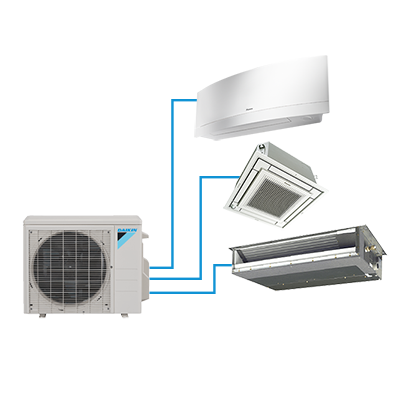
When we talk about mini split systems, we're discussing a approach to heating and cooling that bypasses the need for traditional ductwork. Instead of a central furnace and air conditioner blasting air through a network of ducts, mini splits use a single outdoor compressor unit connected to one or more indoor air-handling units via refrigerant lines. This design not only makes them incredibly flexible for homes without existing ductwork but also significantly reduces the energy loss often associated with leaky ducts.
The magic behind these systems lies in their ability to transfer heat. In cooling mode, the indoor unit absorbs heat from your home and transfers it via refrigerant to the outdoor unit, where it's released outside. In heating mode, the process reverses, extracting heat from the outdoor air (even in chilly temperatures!) and bringing it indoors. This heat pump technology is highly efficient, especially with Daikin's advanced inverter technology, which allows the compressor to adjust its speed based on demand, conserving energy and reducing operational costs. For Seattle homeowners, this means efficient heating during our mild but damp winters and effective cooling during our increasingly warm summers.
What is a Single-Zone Mini Split?
A single-zone mini split system is the simplest form of ductless heating and cooling, designed to provide comfort to a single, specific area or room. Think of it as a one-to-one relationship: one outdoor unit is connected to one indoor unit. This setup allows for targeted heating and cooling, giving you precise temperature control for that particular space.
The way it works is quite straightforward. The outdoor unit contains the compressor and condenser coils, while the indoor unit, typically wall-mounted, contains the evaporator coil and a blower fan. Refrigerant circulates between these two units, absorbing heat from the indoor air (for cooling) or the outdoor air (for heating) and releasing it where it's not wanted.
For Seattle homes, a single-zone system is an excellent choice for areas that need individualized climate control. Its simple installation often requires less disruption than extending traditional HVAC ducts, making it a popular solution for homeowners looking to upgrade comfort in a specific spot.
What is a Multi-Zone Mini Split?
A multi-zone mini split system takes the concept of ductless comfort and expands it to cover multiple areas or rooms within your home. Here, a single, powerful outdoor unit is connected to several indoor units—typically ranging from two to eight, depending on the system's capacity and your home's needs. This creates what we call "zoned comfort," allowing each indoor unit to be controlled independently.
Imagine being able to set your bedroom to a cozy 68 degrees, your living room to a comfortable 72, and turning off the unit in the guest room when it's unoccupied. That's the unparalleled flexibility a multi-zone system offers. Each indoor unit can have its own thermostat and settings, catering to different preferences or the specific requirements of each space.
This one-to-many system is an ideal whole-home solution, particularly for larger homes, multi-story residences, or even office buildings where different areas may have varying heating and cooling needs. It provides flexible comfort for multiple rooms, ensuring everyone can enjoy their ideal temperature without affecting other areas, all while maintaining energy efficiency by only conditioning the spaces that need it.
Single Zone vs Multi Zone Mini Split in Seattle, WA: A Detailed Comparison
Choosing between a single zone vs multi zone mini split in Seattle, WA involves weighing various factors, from initial investment to long-term comfort and aesthetics. Let's dig into a detailed comparison to help you make an informed decision for your unique home.
| Feature | Single-Zone Mini Split | Multi-Zone Mini Split |
|---|---|---|
| Number of Zones | 1 | 2 to 8 (or more, depending on system) |
| Best For | Single rooms, additions, garages, home offices | Whole homes, multi-story homes, homes with varying temperature preferences, multiple rooms |
| Installation Simplicity | Simpler, quicker, less invasive | More complex than single-zone, but less disruptive than ducted systems |
| Temperature Flexibility | Precise control for one specific area | Independent temperature control for each connected indoor unit |
| Exterior Aesthetics | One outdoor unit per conditioned space (can be many) | One outdoor unit for multiple indoor units (cleaner look) |
| Energy Efficiency | Can achieve very high SEER/HSPF ratings for one space | Highly efficient due to targeted zoning; overall efficiency depends on usage and sizing |
One of the primary considerations for Seattle homeowners is energy efficiency. Both single-zone and multi-zone mini splits are known for their impressive energy efficiency, often outperforming traditional central HVAC systems. This is largely due to their ductless design, which eliminates the energy loss through ductwork—a common issue where up to 30% of energy can be lost. Our Daikin systems use inverter technology, which continuously adjusts compressor speed to match the exact heating or cooling load, preventing wasteful on/off cycling.
When comparing the energy efficiency ratings (SEER for cooling, HSPF for heating), top-tier single-zone units can sometimes achieve slightly higher ratings because their components are perfectly matched for a single space. However, multi-zone systems offer incredible efficiency gains through targeted zoning. By only heating or cooling the rooms you're actively using, you avoid wasting energy on unoccupied spaces. This ability to reduce energy use in unoccupied zones is a significant advantage for multi-zone setups.
Temperature control flexibility is where multi-zone systems truly shine. While a single-zone unit provides excellent control for its designated area, a multi-zone system allows for customized settings in every connected room. This means no more battles over the thermostat! Each family member or employee can adjust their space according to personal preferences without affecting other areas. For a family in Seattle with diverse comfort needs, this flexibility can be a game-changer.
Aesthetic considerations also play a role in the decision. If you're only conditioning one or two isolated areas, multiple single-zone units might not be an issue. However, if you need climate control in several rooms, opting for multiple single-zone outdoor units could lead to a cluttered exterior. A multi-zone system, with its single, discreet outdoor unit connected to multiple indoor units, offers a much cleaner exterior aesthetic, which is often preferred by homeowners.
Benefits and Ideal Applications for Single-Zone Systems
Single-zone mini split systems are like precision tools for climate control. They excel in specific situations where you need dedicated heating and cooling for a single space. For us, the benefits are clear:
- Maximum Efficiency for a Single Space: Because the outdoor and indoor units are perfectly matched for one area, single-zone systems can achieve some of the highest SEER and HSPF ratings. This means you get incredibly efficient comfort where you need it most.
- Lower Upfront Investment: Generally, single-zone systems are more affordable to purchase and install compared to multi-zone setups, making them an accessible option for targeted comfort solutions.
- Simpler and Quicker Installation: With only one indoor and one outdoor unit to connect, the installation process is typically less complex and can often be completed faster, minimizing disruption to your home.
So, where do these focused powerhouses truly shine in Seattle?
- Room Additions: If you've recently built a sunroom, an extra bedroom, or expanded your living space, a single-zone unit can provide efficient climate control without the costly and disruptive process of extending your existing central HVAC ductwork.
- Garages and Workshops: Many Seattle homeowners use their garages for hobbies, workshops, or even as home gyms. A single-zone mini split ensures these spaces are comfortable year-round, making them more functional regardless of the weather.
- Home Offices: With more people working from home, a dedicated home office needs consistent comfort. A single-zone system allows you to maintain your ideal working temperature without overheating or overcooling the rest of the house, saving energy.
- Converted Attics or Basements: These spaces often have unique insulation challenges. A single-zone system can effectively heat a chilly basement or cool a sun-drenched attic, changing previously uncomfortable areas into usable living spaces.
- Supplementing Central HVAC: If your existing central system struggles to reach a particular room (perhaps due to long duct runs or poor insulation), a single-zone mini split can act as a powerful supplement, boosting comfort exactly where it's needed.
For those of us in Seattle looking to solve a specific comfort problem with precision and efficiency, a single-zone mini split is often the perfect answer.
Benefits and Ideal Applications for Multi-Zone Systems
Multi-zone mini split systems are the ultimate solution for comprehensive, flexible home comfort. They are designed to bring individualized climate control to your entire home or multiple distinct areas, all powered by a single outdoor unit. Here's why we love them:
- Whole-Home Solutions: For larger homes or those without existing ductwork, a multi-zone system can provide complete heating and cooling for every room. This avoids the need for multiple noisy window units or inefficient space heaters.
- Multi-Story Homes: Heat rises, making upper floors warmer in summer and lower floors cooler in winter. A multi-zone system allows you to balance temperatures across different levels, ensuring consistent comfort throughout your Seattle home.
- Varying Family Preferences: We all know the classic thermostat battle! With a multi-zone system, each family member can set their preferred temperature in their bedroom or personal space. This means one person can enjoy a cool sanctuary while another prefers a warmer living area, leading to household harmony.
- Clean Exterior Aesthetics: One of the most appealing advantages is having only a single outdoor unit, even when conditioning up to eight indoor spaces. This maintains a much cleaner and less cluttered appearance on the exterior of your home compared to installing multiple single-zone units.
- Energy Savings Through Zoning: The ability to turn off indoor units in unoccupied rooms or set back temperatures in less-used areas significantly contributes to energy savings. Why heat or cool a guest room when nobody's there? This targeted approach minimizes energy waste.
In Seattle, multi-zone systems are ideal for:
- Large Homes with Open Concepts: While a single large unit might struggle to distribute air evenly, multiple indoor units strategically placed can ensure consistent temperatures across vast living areas.
- Homes with Many Bedrooms or Distinct Living Areas: Each space can be treated as its own climate zone, providing personalized comfort for everyone.
- Rental Properties or ADUs (Accessory Dwelling Units): If you have a property with multiple tenants or an attached ADU, a multi-zone system allows for independent climate control for each separate living space.
- Adaptive Living: As your family grows or your needs change, a multi-zone system offers flexibility. You can add or remove indoor units within the system's capacity, adapting your comfort solution to your evolving lifestyle.
Multi-zone mini splits are a smart investment for Seattle homeowners seeking comprehensive, customizable, and aesthetically pleasing heating and cooling for their entire residence.
Making the Right Choice for Your Seattle Home
Deciding between a single-zone and multi-zone mini split system isn't always straightforward. It requires careful consideration of your home's unique characteristics, your comfort priorities, and your long-term goals. That's why we always emphasize the importance of a professional consultation. Our expert technicians can assess your home's specific needs, helping you steer the options and ensure you make the best decision for your comfort and budget.
A crucial step in this process is performing a professional load calculation. This isn't just guesswork; it's a detailed analysis that considers factors like your home's layout, insulation quality, window quality, square footage, ceiling height, and even sun exposure. For us in Seattle, where homes can range from historic craftsman bungalows to modern new builds, a precise load calculation ensures that whichever system you choose is perfectly sized for optimal performance, efficiency, and comfort in our variable climate. An undersized system won't keep you comfortable, while an oversized system will cycle on and off too frequently, reducing efficiency and potentially shortening its lifespan.
We also consider your future needs. Are you planning an addition? Will your family grow? Thinking ahead helps us design a system that can adapt with you.
Key Factors for the Single Zone vs Multi Zone Mini Split in Seattle, WA Decision
When we help Seattle homeowners choose between a single zone vs multi zone mini split in Seattle, WA, we guide them through a series of important questions. These factors are crucial for tailoring the perfect climate control solution:
- Number of rooms needing climate control: This is perhaps the most obvious starting point. If it's just one room (like a new home office or a chilly basement), a single-zone is likely the answer. If you need comfort in three bedrooms, a living room, and a kitchen, a multi-zone system becomes far more practical.
- Primary comfort goal (solve one problem vs. whole-home): Are you looking to fix a specific hot or cold spot, or do you want to overhaul your entire home's heating and cooling strategy? Single-zone systems are excellent problem-solvers for isolated issues, while multi-zone systems provide comprehensive comfort.
- Importance of individual room control: Do different family members have vastly different temperature preferences? Is it crucial to keep certain rooms cooler than others, or to only condition occupied spaces? If so, the independent control offered by a multi-zone system is invaluable.
- Long-term flexibility for your home: Consider how your home might evolve. A multi-zone system offers more adaptability if you anticipate future additions or changes in how you use different rooms.
By carefully considering these points, we can help you pinpoint the system that aligns best with your lifestyle and home.
Installation and Maintenance Considerations
The installation process for mini split systems, while generally less invasive than traditional ducted systems, does have differences between single-zone and multi-zone setups.
For a single-zone system, installation is relatively straightforward. It involves mounting one indoor unit and one outdoor unit, then connecting them with a single line set (refrigerant lines, electrical wiring, and a drain line). This simpler setup means quicker installation and less disruption to your home. Our technicians ensure proper placement of both units for optimal performance and aesthetics.
Multi-zone installations are inherently more complex due to the need to connect multiple indoor units to a single outdoor unit. This often involves more extensive line set routing, which may require careful planning to conceal the lines within walls or discreetly along the exterior. In some cases, a branch box might be used to distribute refrigerant to the various indoor units. While more involved, our professional installation teams are experts at minimizing invasiveness and ensuring a clean, efficient setup. We handle all electrical connections, refrigerant charging, and system calibration to guarantee optimal performance.
Maintenance for both single-zone and multi-zone systems shares many commonalities, focusing on keeping your system running smoothly and efficiently. The good news is that mini splits generally require less maintenance than traditional ducted systems due to fewer moving parts and no ducts to clean. However, regular care is still essential:
- Filter Cleaning: This is your most frequent maintenance task. We recommend cleaning or replacing your air filters every 4-6 weeks, especially during peak usage seasons. Clean filters ensure optimal airflow, maintain indoor air quality, and prevent strain on the system.
- Professional Checkups: We advise scheduling professional seasonal checkups, typically in the spring and fall. During these visits, our technicians inspect refrigerant levels, check electrical connections, clean coils, and ensure all components are functioning correctly.
- Annual Deep Cleaning: For optimal system health and longevity, an annual deep cleaning by a certified HVAC technician is recommended. This goes beyond simple filter cleaning to ensure the indoor and outdoor coils are thoroughly cleaned, preventing mildew buildup and maximizing efficiency.
Proper installation and consistent maintenance are key to the long-term efficiency, reliability, and comfort your Daikin mini split system will provide for your Seattle home.
Frequently Asked Questions about Mini Split Systems
How does a mini split heat pump work in Seattle's mild but damp winters?
Our Daikin mini split heat pumps are incredibly well-suited for Seattle's mild but often damp winters, offering efficient heating even when the temperatures drop. Unlike traditional furnaces that generate heat, heat pumps transfer heat. They extract heat from the outdoor air, even when it feels cold to us, and move it inside to warm your home.
This process is highly efficient because it's simply moving existing heat rather than burning fuel to create it. Our systems, with their high HSPF (Heating Seasonal Performance Factor) ratings, are designed to perform exceptionally well in cooler climates like ours. The inverter technology continuously adjusts the compressor speed, allowing the system to operate effectively and efficiently even on those chilly, damp Seattle days. This means you get consistent, comfortable heating without the high energy bills often associated with older heating methods, providing year-round comfort.
Are multi-zone mini splits more efficient?
Yes, generally speaking, multi-zone mini splits are more efficient than trying to condition an entire home with a single, oversized system or multiple single-zone units in certain scenarios. Their efficiency comes from the ability to provide targeted heating and cooling.
Here's why:
- Targeted Comfort: With a multi-zone system, you only heat or cool the rooms you're actively using. If a bedroom is unoccupied, you can turn off its indoor unit or set it to a lower temperature, reducing energy use in that zone. This is a stark contrast to central HVAC, which conditions the entire house regardless of occupancy.
- Reduced Energy Waste: By avoiding unnecessary heating or cooling in unused spaces, multi-zone systems significantly reduce overall energy consumption.
- Inverter Technology: Daikin's multi-zone systems incorporate inverter technology, which allows the outdoor unit's compressor to precisely match the total load of all operating indoor units. Instead of cycling on and off, the compressor continuously adjusts its speed, maintaining consistent temperatures with less energy. This intelligent system load matching prevents energy surges and ensures optimal efficiency.
While a top-tier single-zone unit might have a slightly higher individual SEER/HSPF rating, the overall energy savings and efficiency of a well-designed and properly used multi-zone system in a multi-room home are substantial.
Can I mix and match different types of indoor units on a multi-zone system?
Absolutely! One of the fantastic advantages and design flexibilities of our Daikin multi-zone mini split systems is the ability to mix and match different types of indoor units. This allows us to create truly custom solutions custom to the specific needs and aesthetics of each room in your Seattle home.
You're not limited to just one style. For example, you might choose:
- Wall-mounted units: These are the most common and versatile, perfect for bedrooms, living rooms, and home offices.
- Ceiling cassettes: These units fit flush into the ceiling, offering discreet climate control and even air distribution, ideal for open-concept areas or rooms where wall space is limited.
- Floor-mounted units: These are a great option for rooms with low wall space, large windows, or in older homes where they can replace older, bulky heating units.
- Concealed duct units: For those who prefer a completely invisible solution, these units are hidden above the ceiling or within a wall, delivering conditioned air through short duct runs and grilles.
This design flexibility means we can optimize both comfort and aesthetics throughout your home. We can select the best indoor unit type for each zone based on the room's layout, your design preferences, and its specific heating and cooling requirements, ensuring a seamless integration into your living space.
Conclusion: Find Your Perfect Climate Control Solution
Navigating the choice between a single-zone and multi-zone mini split system for your Seattle home can feel like a "split decision," but with the right information and expert guidance, it becomes clear. Both systems offer indoor comfort, energy efficiency, and sustainability, perfectly suited for our city's variable climate.
Whether you need targeted heating and cooling for a specific problem area or a flexible, whole-home solution with individualized temperature control for every room, Daikin has an advanced HVAC solution for you. We understand that personalized comfort and energy savings are top priorities for Seattle homeowners, and our mini split systems deliver on both fronts.
The most critical step in making this important decision is a professional consultation. Our team of experts is here to assess your unique home, perform a precise load calculation, and walk you through the options, ensuring you get a system that's perfectly sized and ideally suited for your needs. We believe in empowering you with knowledge so you can make an informed decision for long-term comfort and peace of mind.
We even invite you to visit our unique Pacific Northwest Daikin Experience Center in Seattle. It's a fantastic opportunity to interact with our products and truly understand the advanced technology behind our heating and cooling solutions.
Ready to transform your home's comfort and efficiency? Learn more about our advanced HVAC solutions in Seattle, WA and let us help you find your perfect climate control solution today!
Schedule a Visit

your individual indoor comfort needs
products firsthand
with an authorized Daikin Dealer
.webp)
See why our customers Choose Us

“Jem is very inviting and knowledgeable. She gave us a walk through of the Daikin Experience Center and patiently answered all our questions. Learned a lot about HVAC’s through this visit.”
“Jem did a great job walking us through the various Daikin products and efficiencies of the products. She was very knowledgeable on everything Daikin. Highly recommend coming in for a tour prior to picking out your various AC systems.”
“Great experience at Daikin Seattle Experience Center: pre-purchase demos of home heating system (Daikin Fit), list of HVAC companies, working Daikin staff and external contractors to ensure highest quality. This experience sets the bar of how any home HVAC experience should be. Have got the Daikin Fit installed and so far seems to work very well – quiet, good home heating in peak winter (heat transfer/BTU/air handling); Functionality of Daikin thermostat and the iPhone app makes it very easy to use.”
“This place is awesome! If you are in the market for a new HVAC system, visit the Daikin Experience Center to get educated on the newest technology as well as available rebates and incentives for where you live. They’ll even connect you with local contractors in your area who install Daikin equipment.”
