

Why Spring Is the Right Time to Prepare Your Daikin System in Seattle
Spring Daikin system maintenance before summer heat events is the single most important thing you can do to keep your home cool, efficient, and breakdown-free when Seattle temperatures spike.
Here's a quick summary of what it involves:
- Clean or replace air filters — especially important during Seattle's cottonwood and pollen season
- Clear debris from around the outdoor unit and ensure at least 2 feet of clearance
- Gently rinse condenser fins with a garden hose to remove winter buildup
- Switch thermostat mode from heating to cooling and run a test cycle
- Schedule a professional tune-up to check refrigerant levels, electrical connections, and coil condition
- Inspect ductwork for leaks that could waste 20–30% of your conditioned air
Seattle summers are getting hotter, and early heat spikes can arrive before you feel ready. A system that sat dormant all winter is under real stress the moment you flip it to cooling mode. Dirty coils, clogged filters, worn capacitors — these aren't just efficiency problems. They're the leading reasons Daikin systems fail on the hottest days of the year, exactly when you need them most.
The good news? A little attention in spring goes a long way. Well-maintained Daikin systems regularly last 12–15 years, while neglected ones often give out in 7–10. And skipping maintenance doesn't just shorten lifespan — it can quietly inflate your energy bills by 15–25% without you even noticing.
This guide walks you through everything: what you can do yourself, what needs a professional, and how to get your Daikin system ready for summer the right way.
Why Spring Daikin System Maintenance Before Summer Heat Events Is Essential
In the Pacific Northwest, we often enjoy a mild spring, but May 2026 has shown us that weather patterns can shift rapidly. Scheduling your spring Daikin system maintenance before summer heat events is a strategic move for several reasons. First, it ensures you beat the "summer rush." Once the first 80-degree day hits Seattle, HVAC companies are flooded with emergency calls. By acting now, you ensure technician availability and can schedule a visit at a time that works for you.
Proactive care is also the best way to protect your investment. A well-maintained Daikin system can easily last 12–15 years. Conversely, units that are neglected often fail prematurely, sometimes as early as year seven. Think of it like a car; you wouldn't drive across the country without checking the oil. Running your AC through a heatwave without a spring check-up is essentially doing the same thing.
Furthermore, maintenance is a direct investment in your wallet. Statistics show that neglect can increase energy bills by 15–25%. When your system is clean and calibrated, it doesn't have to work as hard to reach your target temperature. For more details on why this matters, check out our guide on HVAC Preventative Maintenance and our Summer HVAC Preparation Guide.
Optimizing Airflow During Spring Daikin System Maintenance Before Summer Heat Events
Airflow is the lifeblood of your Daikin system. During the winter, dust, pet dander, and household debris can settle in your supply vents and return registers. If these are blocked, your system has to "choke" to pull in air, leading to massive efficiency losses.
As part of your spring cleaning, we recommend wiping down your registers with a damp cloth. Ensure that no furniture, rugs, or curtains are obstructing the airflow. This simple step ensures that the cool air your system produces actually reaches your living spaces. You can find more specific tips in our article on Daikin AC Maintenance.
Avoiding Emergency Repairs During Seattle Heatwaves
There is nothing worse than your AC failing during a record-breaking July afternoon. Most summer breakdowns are caused by components that were already struggling in the spring. For example, a worn capacitor—the part that helps your motor start up—can easily fail under the high-load stress of a heatwave.
By identifying these "weak links" during a spring inspection, we can replace them before they cause a total system shutdown. This prevents the stress and high costs associated with Common Summer HVAC Problems.
Essential DIY Steps for Your Spring Daikin System Maintenance
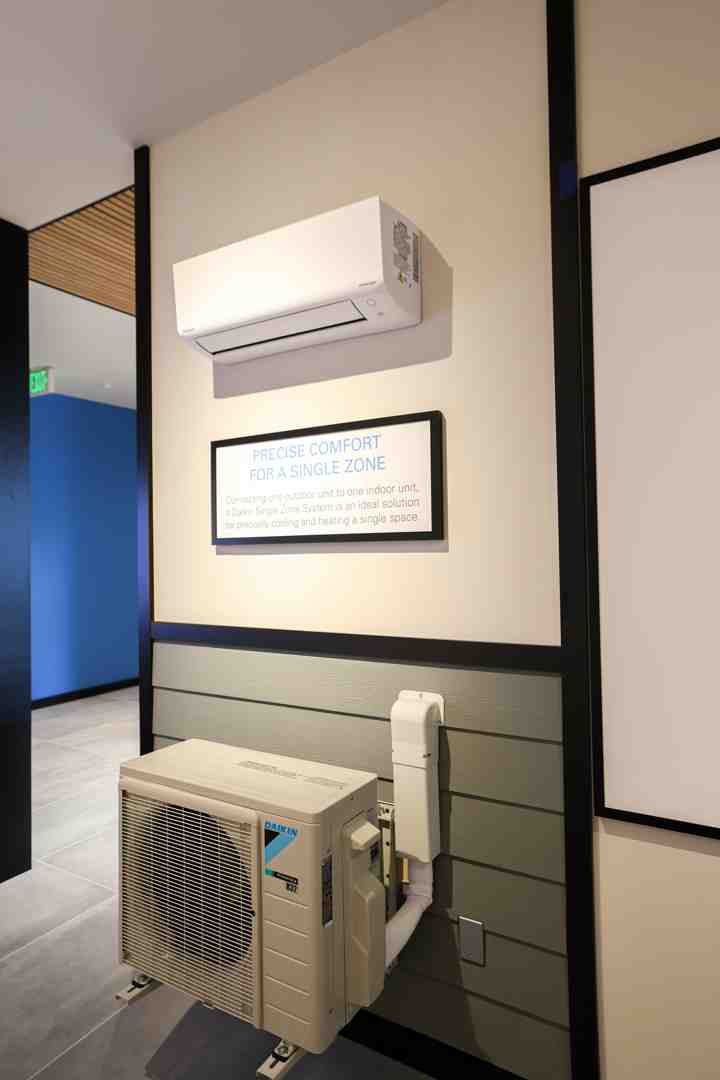
While professional service is vital, there are several things you can do as a homeowner to keep your system in top shape. The most critical task is managing your air filters. In Seattle, spring brings a heavy dose of pollen and cottonwood seeds, which can clog a filter in record time.
Essential DIY Spring Maintenance Checklist:
- Inspect Filters: Check your filters every 30 days during high-pollen months. If they look grey or fuzzy, replace them.
- Clear the Perimeter: Ensure there is at least a 2-foot "no-fly zone" around your outdoor unit. Trim back any shrubs, weeds, or low-hanging branches.
- Debris Removal: Remove any leaves, twigs, or trash that may have collected against the unit over the winter.
- Thermostat Check: Replace the batteries in your thermostat to avoid a mid-summer failure.
For a deeper dive into these steps, see our Daikin HVAC Maintenance Guide Seattle.
Maintaining Your Outdoor Unit for Maximum Efficiency
Your outdoor condenser unit is responsible for releasing the heat from inside your home. If the metal "fins" on the unit are clogged with dirt or pollen, that heat stays trapped, and your home stays warm.
You can gently rinse the exterior of the unit with a garden hose. Important: Never use a high-pressure power washer, as this can bend the delicate aluminum fins and permanently restrict airflow. A gentle spray is all you need to wash away the winter's grime. This is one of our top Essential Summer Cooling Tips.
Troubleshooting Common Post-Winter Issues
When you first switch from heating to cooling, you might notice a few things. A "musty" smell—often called "Dirty Sock Syndrome"—is caused by moisture from the new cooling cycle mixing with dust that settled on the coils during winter. Usually, running the system for a full cycle helps, but if it persists, you may need a professional coil cleaning.
If you notice weak airflow or unusual rattling noises, these are signs that your system needs a closer look. Check our HVAC Maintenance Seattle WA Guide for more troubleshooting advice.
Professional Tune-Ups: Protecting Your Inverter Technology
Daikin systems are famous for their advanced inverter technology. Unlike traditional systems that are either "all on" or "all off," an inverter system adjusts its speed precisely to match your cooling needs. This makes them incredibly efficient, but it also means they require specialized knowledge to maintain.
A professional Annual AC Tune-Up Seattle WA goes far beyond what a DIY enthusiast can do. Here is how the two compare:
| Task | DIY | Professional |
|---|---|---|
| Filter Replacement | Yes | Included |
| Clear Debris | Yes | Included |
| Check Refrigerant Levels | No | Yes |
| Inspect Electrical Connections | No | Yes |
| Deep-Clean Coils | No | Yes |
| Calibrate Inverter Board | No | Yes |
| Flush Drain Lines | No | Yes |
Why Professional Spring Daikin System Maintenance Before Summer Heat Events Prevents Breakdowns
During a professional visit, we focus on the "heart" of the system. For heat pumps, this includes the reversing valve—the component that allows the system to switch between heating and cooling. We also perform a "Delta T" measurement, which checks the temperature difference between the air entering and leaving the system to ensure it is operating within the ideal 18°F–22°F range.
Another critical step is flushing the condensate drain line. Over the winter, "sludge" or algae can build up in the drain. When the AC starts producing condensation in the summer, a clogged line can lead to water backing up into your home, causing significant damage. We use specialized treatments to clear these lines and prevent algae growth. This is a vital part of the Spring to Summer Heat Pump Transition.
Transitioning Your Heat Pump from Heating to Cooling Mode
If you have a Daikin Fit or a similar reverse-cycle heat pump, the transition to summer is relatively simple but should be done with care. We recommend a "rest period" of a few hours between the last time you use the heat and the first time you turn on the AC. This allows the refrigerant pressures to equalize.
If you are using the Daikin One+ smart thermostat, spring is the perfect time to update your schedules. You can program the system to be slightly warmer while you are at work and cool down just before you arrive home, maximizing your energy savings. Testing your cooling cycle for 15–20 minutes on a mild spring day is the best way to ensure everything is ready for the real heat.
Improving Indoor Air Quality and Efficiency in Seattle Homes
Indoor air quality (IAQ) is a major concern in the Pacific Northwest, especially with the increase in seasonal allergens. Your Daikin system can be a powerful tool for cleaning your air, but only if it is maintained.
One often-overlooked factor is your ductwork. The average U.S. home loses 20–30% of its conditioned air through leaks in the ducts. This isn't just a waste of money; it also allows dust and allergens from your attic or crawlspace to be pulled into your living areas. During a spring maintenance visit, we can inspect your ducts for these leaks, ensuring the air you pay to cool actually stays in your home. For more information, refer back to our Daikin HVAC Maintenance Guide Seattle.
Frequently Asked Questions about Daikin Spring Maintenance
How often should I clean my Daikin filters during Seattle's pollen season?
During the peak of pollen and cottonwood season, we recommend checking your filters every 30 days. If you have pets or high foot traffic in your home, you may need to clean or replace them more frequently. Keeping these filters clean is the easiest way to prevent system strain.
What is the ideal temperature setting for a Daikin system in May 2026?
The healthiest and most efficient range for most homes is between 21°C and 22°C (roughly 70°F–72°F). However, you should find a "happy medium" that works for everyone in your household. Using a programmable thermostat to raise the temperature by 2–3 degrees when you are away can significantly lower your bills.
Why does my Daikin unit have a "dirty sock" smell when I first turn on the AC?
This is typically caused by bacteria and dust that have settled on the evaporator coil during the winter. When the cooling cycle begins, moisture (condensation) mixes with this debris, creating a musty odor. A professional coil cleaning is the most effective way to eliminate this smell and improve your indoor air quality.
Conclusion
Preparing for the summer doesn't have to be a source of stress. By taking a proactive approach to your spring Daikin system maintenance before summer heat events, you can ensure your home remains a sanctuary of comfort no matter how high the mercury rises.
At Daikin (Seattle), we are committed to providing sustainable, energy-efficient comfort to our neighbors in Tukwila, Seattle, and across Washington. If you want to see our technology in action, we invite you to visit our Pacific Northwest Daikin Experience Center, where you can interact with our latest heat pumps and inverter systems firsthand.
Don't wait for the first heatwave to find out your system needs help. Schedule your professional Daikin maintenance today and enjoy the peace of mind that comes with a system that's ready for anything.