

.webp)

.svg)


What Your Certified Daikin Dealer Should Check This Spring: 5 Essential Tips
Why Seattle Homeowners Should Know What Their Certified Daikin Dealer Checks Each Spring
What your certified Daikin dealer should check during a spring visit covers a lot of ground — and knowing the full list helps you get the most out of every service call. Here's a quick overview:
- Air filters — inspect, clean, or replace
- Evaporator and condenser coils — deep clean to restore efficiency
- Condensate drain line — flush to prevent water damage and mold
- Refrigerant levels — verify charge on sealed R-32 system
- Electrical connections and capacitors — tighten and test for wear
- Blower motor and fan — check operation and lubrication
- Reversing valve — confirm smooth heating-to-cooling transition
- Inverter board and controls — calibrate for accurate performance
- Smart thermostat and system communication — test and verify settings
- Ductwork and airflow — inspect for leaks and obstructions
Seattle's spring weather is unpredictable. One week it's 48°F and rainy, the next it's pushing 80°F ahead of a heat dome. Your Daikin system has been working hard all winter, and spring is the window — before summer demand peaks — to make sure it's ready for whatever comes next. Regular maintenance can save up to 15% on energy bills and help your system reach its full 15-year lifespan instead of failing early. A certified Daikin dealer has the training and tools to catch the small problems that become expensive ones in July.
Key terms for what your certified daikin dealer should check during a spring visit:
- how spring maintenance prevents daikin breakdowns during heat domes
- spring daikin system maintenance before summer heat events
Why Spring Maintenance is Essential for Your Daikin System
Living in the Pacific Northwest means navigating a unique marine climate. We experience damp winters, highly humid shoulder seasons, and increasingly intense summer heatwaves. This rapid swing in weather conditions puts a unique strain on local heating and cooling systems. Routine HVAC Preventative Maintenance is not just a luxury; it is the single best way to ensure your home remains a reliable sanctuary of comfort.
Daikin systems are engineered to withstand extreme conditions, providing efficient heating even when outdoor temperatures drop as low as -13°F. However, transitioning that same system from heating to cooling requires a mechanical pivot. Neglecting this transition can quietly inflate your energy bills by 15% to 25% without your knowledge. By scheduling a professional tune-up in the spring, you guarantee that your system operates at peak energy efficiency, saving you money while lowering your home's carbon footprint.
Furthermore, proactive care directly impacts the lifespan of your investment. A well-maintained Daikin heat pump can easily deliver comfort for 12 to 15 years, whereas a neglected unit might experience premature compressor failure or control board burnouts within 7 to 10 years. Think of spring maintenance as an oil change for your home comfort system—a small, proactive step that prevents catastrophic engine failure down the road.
Transitioning from Heating to Cooling Mode
When the calendar flips to spring, your heat pump must change its entire cycle of operation. To facilitate a seamless Spring to Summer Heat Pump Transition, a certified Daikin dealer must inspect several specialized components.
The most critical of these is the reversing valve. This physical valve is what allows a heat pump to reverse the flow of refrigerant, switching its function from absorbing outdoor heat (heating mode) to rejecting indoor heat (cooling mode). If the reversing valve is sticky or electrically unresponsive, your system will remain trapped in heating mode, leaving you stranded when the first warm day arrives.
During a spring visit, our technicians also verify that refrigerant pressures have equalized safely. We advise homeowners to allow a brief rest period when switching their system's mode on the thermostat, ensuring the physical components do not experience sudden pressure spikes. Our professional check ensures that when you call for cool air, the system transitions smoothly without mechanical shock.
Preventing Summer Breakdowns and Heat Dome Failures
In recent years, the Pacific Northwest has experienced unprecedented summer heat domes. During these extreme weather events, HVAC systems must run continuously at maximum capacity. If your system has an underlying weakness, the extreme heat will expose it—usually on the hottest weekend of the year when emergency technicians are in the highest demand.
The most common culprit behind a sudden summer breakdown is a failing capacitor. Capacitors act as temporary electrical reservoirs, providing the high-torque electrical boost required to start the compressor and fan motors. Over time, winter heating demands and natural wear cause capacitors to degrade. During a hot summer afternoon, a weak capacitor will overheat and fail, shutting down the entire system.
By scheduling an Annual AC Tune-Up Seattle WA, you allow a professional to test these components under load. We measure the capacitance of your start and run capacitors to ensure they are within safe operating tolerances, replacing worn parts before they leave you without cooling.
What Your Certified Daikin Dealer Should Check During a Spring Visit
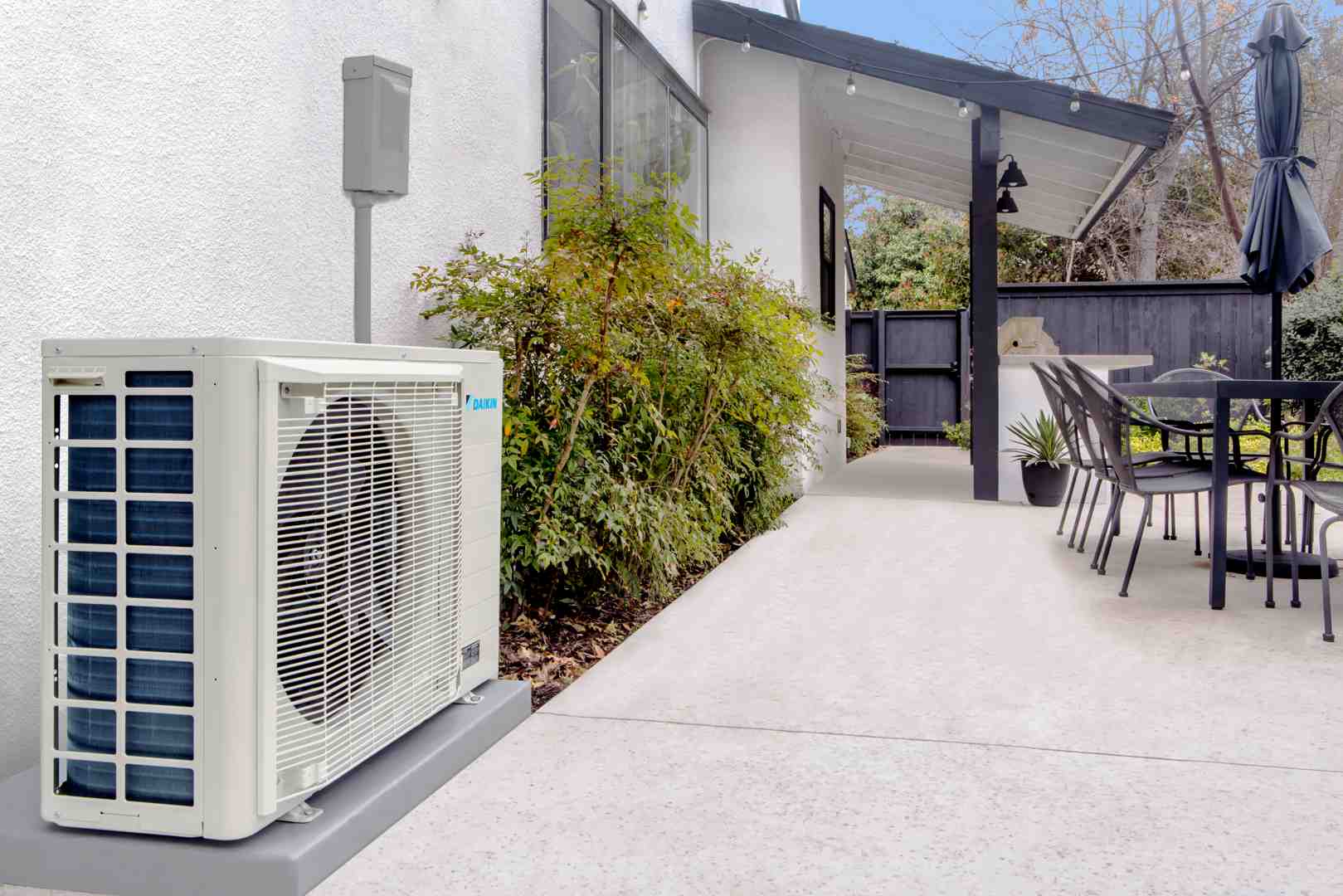
When our certified Daikin technicians arrive at your home, they perform a comprehensive, multi-point inspection. Daikin systems utilize cutting-edge inverter technology, which functions more like a precise dimmer switch than a traditional on/off system. Because these systems are highly sophisticated, they require specialized diagnostic tools and training that go far beyond standard DIY care. Following a professional HVAC Maintenance Seattle WA Guide ensures every technical detail is addressed.
Our Professional HVAC Maintenance Services are designed to optimize this variable-speed technology, ensuring that your system ramps up and down smoothly to maintain a precise indoor temperature.
Indoor Unit Diagnostics: What Your Certified Daikin Dealer Should Check During a Spring Visit
The indoor unit—whether it is a central air handler or a series of ductless mini-split heads—is responsible for circulating and conditioning your indoor air. Our technicians perform several essential diagnostics on these indoor components:
- Evaporator Coil Inspection: We inspect the evaporator coil for dust, pet hair, and biological growth. A dirty coil insulates the refrigerant lines, preventing efficient heat transfer and potentially causing the coil to freeze.
- Blower Motor Analysis: We measure the blower motor's amp draw to ensure it is operating within manufacturer specifications. A motor drawing too much power is a sign of failing bearings or excessive static pressure.
- Condensate Management: As your system cools, it extracts significant moisture from the air. We inspect the condensate pan and flush the drain lines with pressurized air or water to remove algae and biofilm. This prevents water from backing up and causing expensive drywall or flooring damage.
- Air Filtration Check: We evaluate your current air filters. While we recommend homeowners change or clean their filters regularly, we verify that the filter's MERV rating is perfectly balanced to provide clean air without choking system airflow.
For more details on keeping your indoor air handler running smoothly, consult our Daikin HVAC Maintenance Guide Seattle.
Outdoor Unit and Refrigerant Checks: What Your Certified Daikin Dealer Should Check During a Spring Visit
The outdoor unit is exposed to the elements year-round, collecting dirt, pollen, and yard debris. Our spring inspection of the outdoor unit focuses on restoring unrestricted heat rejection:
- Condenser Coil Cleaning: We gently rinse the aluminum fins of the condenser coil to remove accumulated grime. We never use high-pressure washers, which can bend the delicate fins and restrict airflow.
- Clearance Verification: We ensure there is at least a two-foot clearance around the outdoor unit, removing any encroaching weeds, leaves, or winter storage items.
- Refrigerant Level Testing: Daikin is a global pioneer in sustainability, leading the industry transition to R-32 refrigerant. This advanced, single-component refrigerant is used in over 370 million units worldwide and features a significantly lower global warming potential than older refrigerants. We check the system's pressures to ensure there are no slow leaks, keeping the sealed R-32 system operating perfectly.
- Inverter Board Calibration: The outdoor unit contains the inverter control board—the "brain" that modulates compressor speed. We inspect this board for loose terminals, signs of overheating, and clean communication signals.
To learn more about preparing your outdoor unit for the upcoming summer heat, check out our comprehensive Summer HVAC Preparation Guide.
Air Quality, Ductwork, and Smart Thermostat Calibration
True home comfort is about more than just temperature; it involves managing air purity, humidity, and balanced distribution. During a spring visit, we look at the system as a whole to maximize your indoor air quality (IAQ) and overall performance.
Our team inspects the ductwork for visible leaks, loose joints, and dust accumulation. In the average U.S. home, leaky ductwork can waste 20% to 30% of conditioned air into unconditioned spaces like attics or crawlspaces. This waste forces your system to work harder, driving up utility bills and letting unconditioned, dusty air pull back into your living spaces. By verifying proper duct integrity and measuring system airflow, we ensure that the clean, conditioned air actually reaches your family. For a complete look at these systemic checks, see our HVAC Preventative Maintenance Guide 2025.
Testing Smart Controls and Thermostats
Modern Daikin systems rely on smart, two-way communicating controls to achieve their industry-leading efficiency. During our spring visit, we pay close attention to your thermostat and connected systems.
We test the Daikin One smart thermostat to ensure it is communicating accurately with both the indoor air handler and the outdoor inverter compressor. We verify that the thermostat’s internal temperature sensors are calibrated correctly against an independent digital thermometer.
Additionally, we help homeowners verify their connection to Skyport Cloud Services and associated mobile apps. This ensures you can seamlessly monitor your home’s climate, receive maintenance alerts, and adjust temperatures remotely when traveling away from the Pacific Northwest.
Frequently Asked Questions About Spring Daikin Maintenance
How often should I clean my Daikin filters during Seattle's pollen season?
During the peak spring pollen and cottonwood seasons in Western Washington, we recommend checking your air filters every 30 days. If you have pets, live near a greenbelt, or suffer from seasonal allergies, you may need to clean or replace them more frequently. Keeping filters clean ensures unrestricted airflow, which is critical for maintaining your system's efficiency and protecting the blower motor from strain.
Why does my Daikin unit have a "dirty sock" smell when I first turn on the AC?
This unpleasant odor is commonly referred to in the industry as "Dirty Sock Syndrome." During the damp winter months, dust, organic matter, and moisture can settle on the cool surfaces of your indoor evaporator coil. When you first switch the system to cooling mode, the newly created condensation mixes with this accumulated debris, creating a breeding ground for harmless but smelly bacteria. A professional deep clean of the evaporator coil using EPA-approved antimicrobial treatments will completely eliminate the odor and restore fresh indoor air.
Is professional maintenance required to keep my Daikin warranty valid?
Yes. Daikin provides some of the best parts warranties in the industry, often covering components for up to 10 or 12 years. However, these manufacturer warranties explicitly require regular, documented maintenance performed by a certified professional. If a major component like a compressor fails, the manufacturer may require proof of annual service before honoring the parts warranty. Keeping your spring maintenance records on file is your best insurance policy against unexpected future repair costs.
Conclusion
Preparing your home for the warm months ahead starts with ensuring your heating and cooling system is operating flawlessly. By understanding what your certified Daikin dealer should check during a spring visit, you can rest easy knowing that your system’s advanced inverter technology, eco-friendly R-32 refrigerant, and smart controls are calibrated for peak performance.
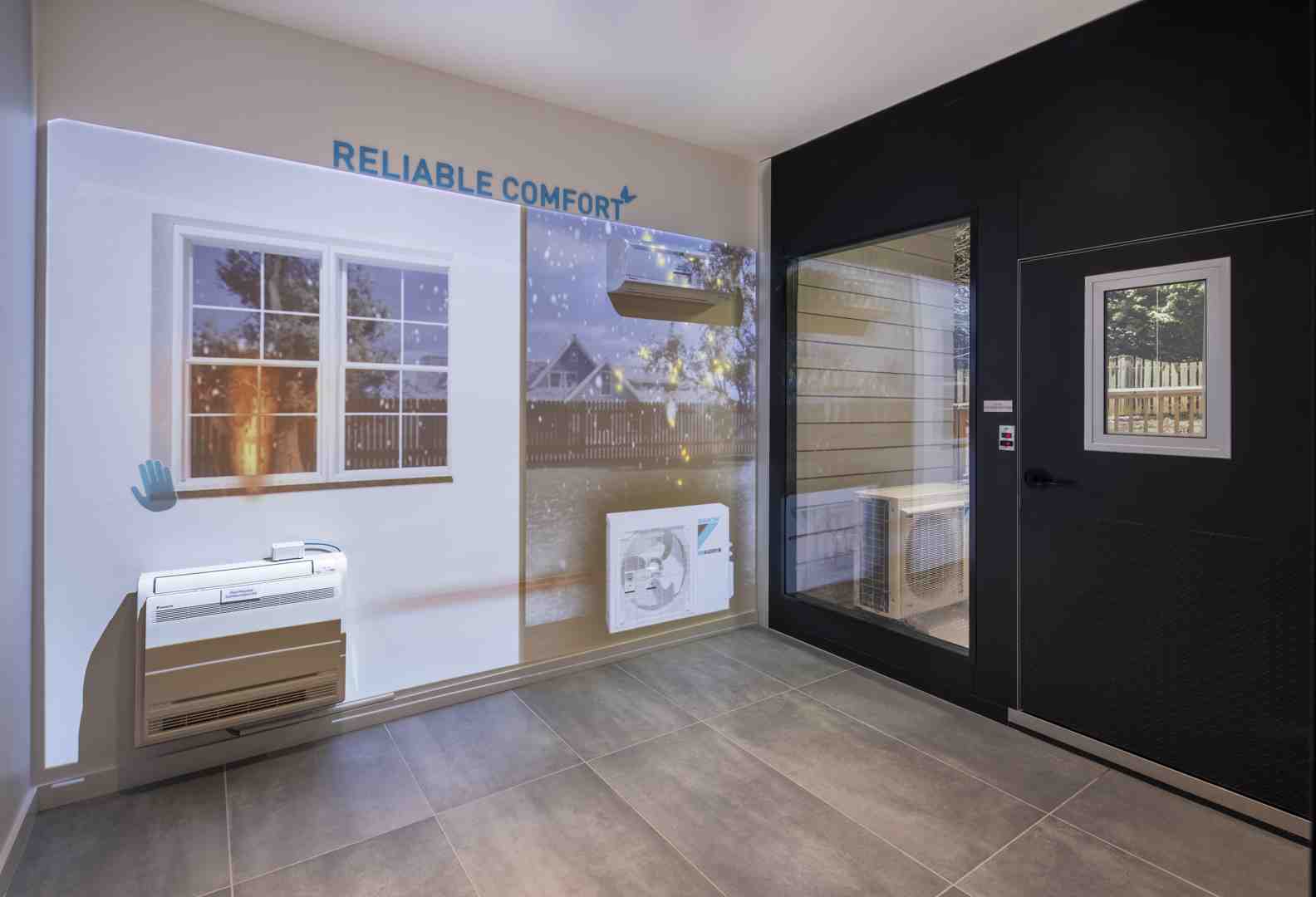
At Daikin Seattle, we are proud to back Daikin's 100+ year history of global innovation and sustainable design. If you want to experience these cutting-edge systems firsthand, we invite you to visit our unique local Daikin Experience Center in Tukwila, where you can interact with working heat pumps and smart thermostats to find the perfect solution for your home.
Don't wait for the first major heatwave of the year to test your cooling system. Book your spring maintenance with Daikin Seattle today, and enjoy the peace of mind that comes with reliable, efficient, and professional home comfort.
Schedule a Visit

your individual indoor comfort needs
products firsthand
with an authorized Daikin Dealer
.webp)
See why our customers Choose Us

“Jem is very inviting and knowledgeable. She gave us a walk through of the Daikin Experience Center and patiently answered all our questions. Learned a lot about HVAC’s through this visit.”
“Jem did a great job walking us through the various Daikin products and efficiencies of the products. She was very knowledgeable on everything Daikin. Highly recommend coming in for a tour prior to picking out your various AC systems.”
“Great experience at Daikin Seattle Experience Center: pre-purchase demos of home heating system (Daikin Fit), list of HVAC companies, working Daikin staff and external contractors to ensure highest quality. This experience sets the bar of how any home HVAC experience should be. Have got the Daikin Fit installed and so far seems to work very well – quiet, good home heating in peak winter (heat transfer/BTU/air handling); Functionality of Daikin thermostat and the iPhone app makes it very easy to use.”
“This place is awesome! If you are in the market for a new HVAC system, visit the Daikin Experience Center to get educated on the newest technology as well as available rebates and incentives for where you live. They’ll even connect you with local contractors in your area who install Daikin equipment.”
