

.webp)

.svg)


How to Clean Your Daikin Ductless Filters Every Four to Six Weeks: Top 5 Essential Tips
Why Cleaning Your Daikin Ductless Filters Every 4–6 Weeks Keeps Your Home Comfortable Year-Round
Knowing how to clean your daikin ductless filters every four to six weeks is one of the simplest things you can do to protect your system and lower your energy bills. Here's a quick overview of the process:
- Turn off the unit using the remote, then switch off the circuit breaker.
- Open the front panel by lifting from the bottom edge.
- Slide out the mesh filters and vacuum off loose dust.
- Rinse under lukewarm water (under 104°F) from back to front.
- Air dry completely in the shade for 30–60 minutes.
- Reinstall the filters and reset the filter indicator on your remote.
For Seattle homeowners, a Daikin ductless system is a year-round workhorse — handling summer cooling and winter heating in a climate that rarely gives your equipment a long break. The problem is that filters quietly collect dust, pet hair, and fine particles from the air, and most homeowners don't think about them until something goes wrong. A clogged filter forces your system to work harder, drives up electricity use, and can even cause the evaporator coil to freeze — leading to water overflow and potential damage. The good news is that regular filter cleaning takes under 10 minutes and can save up to 15% on energy costs while helping your system last 15 years or more.
Quick how to clean your daikin ductless filters every four to six weeks terms:
- daikin ductless coil cleaning why it matters in damp climates
- daikinseattle.com/blog/daikin-ductless-maintenance-tips-for-pacific-northwest-homes
- how often should you schedule professional daikin ductless service
Why You Need to Know How to Clean Your Daikin Ductless Filters Every Four to Six Weeks
Your Daikin mini-split system relies on steady, unobstructed airflow to regulate the temperature in your home. When the large mesh filters inside the indoor blower unit become clogged with airborne debris, the volume of intake air drops significantly. To compensate, the system must run longer and draw more power, which directly drives up your monthly utility bills.
In addition to reduced efficiency, dirty filters can trigger a cascade of mechanical issues. When airflow is restricted across the indoor heat exchanger, the temperature of the evaporator coil can drop below freezing. This moisture freezes into ice, blocking the coil completely. Once the system turns off or goes into a defrost cycle, that ice melts rapidly, often overwhelming the condensate drain pan and causing water to leak down your wall.
By keeping up with a routine schedule, you can save up to 15% on your heating and cooling bills and prevent the strain that leads to premature compressor failure. A well-maintained Daikin system can easily reach or exceed an expected lifespan of 15+ years.
For a clearer picture of how filter maintenance affects your system, consider this comparison:
| System Aspect | Clean Filters (Every 4–6 Weeks) | Dirty / Clogged Filters (Neglected) |
|---|---|---|
| Airflow Volume | Strong, consistent, and well-distributed | Weak, localized, and restricted |
| Energy Consumption | Low; operates at peak inverter efficiency | High; system runs continuously to meet demand |
| Indoor Air Quality | Excellent; dust, pollen, and pet dander are captured | Poor; dust bypasses filters or recirculates |
| Coil Condition | Clean, dry, and free of frost | Frost/ice buildup, leading to potential water leaks |
| System Lifespan | Maximized (15 to 20+ years) | Shortened due to overworking the fan motor |
| Error Codes | None; runs smoothly | Risk of A5 freeze protection shutdown |
To keep your system running at peak performance, check out our comprehensive guide on Ductless AC Maintenance for more tips on keeping your system in top shape.
Step-by-Step Daikin Mini-Split Filter Cleaning Guide
Cleaning your Daikin mini-split filters is a straightforward DIY maintenance task that requires no specialized tools. By following a few simple manufacturer guidelines, you can safely clean your filters in under 10 minutes.
Safety Steps Before You Learn How to Clean Your Daikin Ductless Filters Every Four to Six Weeks
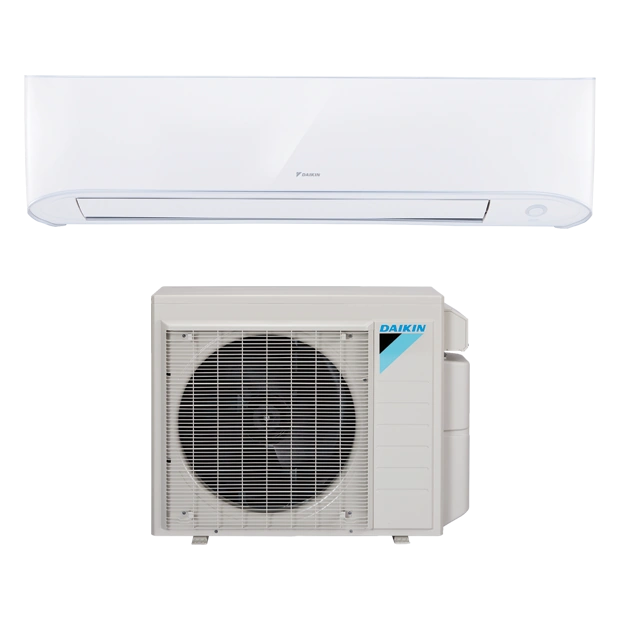
Safety is the absolute first priority when performing any maintenance on your HVAC equipment. Before you touch any internal components, follow these preparation steps:
- Power Down the System: Use your Daikin remote controller to turn the indoor unit off. Do not attempt to open the casing while the fan is spinning.
- Disconnect the Power Source: For complete safety, switch off the dedicated circuit breaker in your electrical panel or pull the outdoor disconnect switch. This ensures there is zero risk of electrical shock or accidental startup while your hands are inside the unit.
- Locate the Panel Tabs: Stand on a secure step stool or ladder. Locate the small indentations or tabs on the left and right sides of the indoor unit’s front panel.
- Open the Front Panel: Gently pull these tabs forward and lift the panel upward until it clicks and holds itself open. If you need to wash the front panel itself, you can gently disconnect the rotating shafts at the hinges and lift the entire panel off the unit.
The Best Method for How to Clean Your Daikin Ductless Filters Every Four to Six Weeks
Once the front panel is secure, you can access, clean, and reinstall the main mesh filters using this highly effective method:
- Remove the Mesh Filters: Locate the filter tabs near the bottom center of each filter. Push the tab upward slightly to unhook it from the securing slot, then gently slide the filter downward and out of its tracks. Avoid shaking the filters to prevent loose dust from falling back into the room or onto the unit's internal coils.
- Vacuum the Heavy Dust: Take the filters to an area where you can clean them safely. Using a vacuum cleaner equipped with a soft brush attachment, gently sweep across the front (dust-facing) side of the mesh. Use low suction to avoid warping or tearing the delicate plastic mesh.
- Rinse From Back to Front: If the filters are still dirty or have a layer of oily film, take them to a sink or outdoor hose. Flush them with lukewarm water (never hotter than 104°F or 40°C). Crucial Tip: Run the water from the clean back side of the filter through to the dirty front side. This flushes the trapped debris outward rather than pushing it deeper into the mesh.
- Use Mild Soap If Needed: For stubborn dirt or kitchen grease, you can use a small amount of neutral dish soap diluted in warm water. Gently massage the soapy water across the mesh with your fingers. Never use abrasive scrubbing brushes, steel wool, or harsh household chemicals, as these will ruin the filter.
- Air Dry in the Shade: Shake off any excess water. Place the filters in a well-ventilated, shady area to dry completely. Do not place them in direct sunlight, as UV rays can warp the plastic frames, and never use a hair dryer or heat gun. Reinstalling wet filters can trap moisture inside the dark indoor unit, leading to rapid mold growth and musty odors.
- Reinstall and Reset: Once the filters are 100% dry (usually 30 to 60 minutes), slide them back into the guide channels of the indoor unit until they click into the bottom tabs. Close the front panel securely, turn the power back on, and press the FILTER SIGN or reset button on your Daikin remote for two seconds to clear the filter maintenance light.
Maintaining Specialized Filters and the Outdoor Unit
Many Daikin mini-split systems are equipped with secondary, specialized filters designed to improve your indoor air quality. These require a slightly different maintenance approach than the standard plastic mesh filters.
- Titanium Apatite Photocatalytic Air-Purifying Filters: These small, colored secondary filters clip directly onto the frames of the larger mesh filters. They are designed to trap microscopic allergens, neutralize odors, and decompose bacteria.
- Cleaning: Clean these every 6 months. Do not wash them with soap. Instead, vacuum off loose dust, soak them in warm water for 10 to 15 minutes, and lay them in direct sunlight for 30 minutes to "recharge" their photocatalytic properties.
- Replacement: These filters cannot be washed indefinitely. They should be replaced every 3 years (or more frequently if you live in a home with heavy tobacco smoke or high pet dander).
- Streamer Discharge Filters: If your Daikin model features a streamer unit, refer to your specific owner's manual. These high-voltage units collect ultra-fine particles and should be vacuumed or replaced according to the manufacturer's runtime alerts.
Beyond the indoor unit, the outdoor condenser unit requires regular attention to ensure proper heat transfer.
Keep a clear zone of at least 2 to 3 feet around the outdoor unit. Clear away fallen leaves, weeds, tall grass, and windblown debris that can collect against the metal grilles. In the Pacific Northwest, cottonwood seeds in the spring and heavy rain debris in the fall can quickly coat the outdoor coils. You can gently wash the outdoor coil by spraying it with a garden hose at a 45-degree angle, but never use a high-pressure power washer, which will bend the delicate aluminum fins.
If you want to understand why keeping these components clean is so critical in our damp local climate, read our guide on Daikin Ductless Coil Cleaning: Why It Matters in Damp Climates.
When to Call a Professional for Seattle Ductless Service
While cleaning the air filters is an easy, highly effective DIY task, it does not replace the need for professional maintenance. Over time, microscopic dust particles bypass even the cleanest filters and settle deep within the indoor unit's blower wheel, drain pan, and evaporator coils.
Attempting to clean these deep internal components yourself can easily damage the sensitive electronics, bend the fragile aluminum fins, or crack the plastic housing.
We recommend scheduling a professional maintenance visit at least once a year—ideally twice a year (spring and fall) if your system serves as your primary heating and cooling source. Learn more about setting up the right schedule with our guide on How Often Should You Schedule Professional Daikin Ductless Service. For local homeowners, our Daikin Ductless Seattle WA Guide offers excellent regional insights, while our Daikin Ductless Maintenance Tips for Pacific Northwest Homes covers climate-specific advice.
Call a licensed technician immediately if you notice any of the following signs:
- Musty or Sour Odors: This indicates mold or bacteria growth deep inside the blower wheel or condensate pan, requiring a professional deep-clean chemical flush.
- Water Leaking From the Indoor Unit: A clogged drain line, algae buildup, or a cracked drain pan can cause water to back up and overflow into your home.
- Unusual Noises: Squealing, rattling, or clicking sounds often point to a failing fan motor, loose blower wheel, or expanding/contracting plastic that needs adjustment.
- Insufficient Heating or Cooling: If your filters are clean but the system is blowing lukewarm air, there may be a refrigerant leak or a sensor malfunction.
- Frequent Short-Cycling: If the system turns on and off rapidly without reaching your set temperature, it requires professional electrical and diagnostic troubleshooting.
Frequently Asked Questions About Daikin Filter Maintenance
How often should I clean my Daikin mini-split filters?
While standard recommendations suggest checking them every two weeks, cleaning your filters every four to six weeks is the ideal sweet spot for average households in the Seattle area. However, you should inspect them every two weeks if you have indoor pets, suffer from severe allergies, or run your system continuously during peak winter and summer months.
Can I use soap or commercial sprays on my Daikin filters?
You can use a few drops of mild, unscented dish soap diluted in lukewarm water if your filters have an oily residue. However, you must never use commercial cleaning sprays, bleach, disinfectants, or harsh solvents. These chemicals can degrade the plastic mesh, void your Daikin warranty, and release harmful fumes into your living space when the system is turned back on.
What happens if I run my Daikin system without filters?
Running your mini-split without its filters allows dust, hair, and airborne debris to settle directly onto the wet evaporator coils and the spinning blower wheel. This quickly leads to mold growth, reduced heat transfer, frozen coils, and a major drop in system efficiency. It can also cause premature fan motor failure, resulting in an expensive repair that could have been easily avoided.
Conclusion
Taking the time to learn how to clean your daikin ductless filters every four to six weeks is one of the most rewarding home maintenance habits you can build. With just ten minutes of effort, you can enjoy lower energy bills, cleaner indoor air, and a highly reliable system that keeps your family comfortable through every damp winter and warm summer.
At Daikin Seattle, we are proud to serve homeowners across Seattle, Tukwila, and the wider Pacific Northwest. If you need help with a deep system cleaning, want to schedule your annual professional tune-up, or are interested in upgrading to a new energy-efficient system, our team is here to help. You can also visit our state-of-the-art Pacific Northwest Daikin Experience Center in Seattle to interact with the latest inverter technology and speak with our comfort specialists in person.
Keep your home comfortable and running efficiently year-round—explore our professional Daikin Ductless Services or schedule your next maintenance visit with our local team today!
Schedule a Visit

your individual indoor comfort needs
products firsthand
with an authorized Daikin Dealer
.webp)
See why our customers Choose Us

“Jem is very inviting and knowledgeable. She gave us a walk through of the Daikin Experience Center and patiently answered all our questions. Learned a lot about HVAC’s through this visit.”
“Jem did a great job walking us through the various Daikin products and efficiencies of the products. She was very knowledgeable on everything Daikin. Highly recommend coming in for a tour prior to picking out your various AC systems.”
“Great experience at Daikin Seattle Experience Center: pre-purchase demos of home heating system (Daikin Fit), list of HVAC companies, working Daikin staff and external contractors to ensure highest quality. This experience sets the bar of how any home HVAC experience should be. Have got the Daikin Fit installed and so far seems to work very well – quiet, good home heating in peak winter (heat transfer/BTU/air handling); Functionality of Daikin thermostat and the iPhone app makes it very easy to use.”
“This place is awesome! If you are in the market for a new HVAC system, visit the Daikin Experience Center to get educated on the newest technology as well as available rebates and incentives for where you live. They’ll even connect you with local contractors in your area who install Daikin equipment.”
