

.webp)

.svg)


Daikin ductless maintenance tips for pacific northwest homes 2026 Best
Why Daikin Ductless Maintenance Tips for Pacific Northwest Homes Matter More Than You Think
Daikin ductless maintenance tips for Pacific Northwest homes can mean the difference between a system that lasts 20 years and one that fails in 10. Here's a quick summary of what Seattle-area homeowners need to know:
- Clean filters every 2-4 weeks during peak use, or at minimum once per quarter
- Keep 2-4 feet of clearance around your outdoor unit to prevent debris buildup from leaves, pine needles, and moss
- Use Dry Mode during damp PNW winters to control humidity and prevent mold growth
- Schedule professional service twice a year — spring for cooling, fall for heating — to keep your Daikin warranty valid
- Never skip documented maintenance — Daikin requires proof of professional service to honor warranty claims
Your Daikin ductless system works hard every single day in the Pacific Northwest. Unlike most of the country, Seattle homes need both heating and cooling year-round — which means your mini-split never really gets a break. Add in damp winters that encourage mold, summer wildfire smoke that clogs filters fast, and autumn maple leaves that pile up around outdoor units, and you have a climate that demands more from your system than almost anywhere else.
The good news? A little consistent care goes a long way. According to the U.S. Department of Energy, proper maintenance can cut energy consumption by up to 30%. And for every dollar you put into maintenance, you can avoid roughly four dollars in repairs down the road. That's not a chore — that's a smart investment in your home and your comfort.
Why is year-round care vital for Seattle mini-splits?

In the Pacific Northwest, our weather is famous for its "mood swings." We might have a damp, 50-degree morning that requires a bit of heat, followed by a sunny afternoon where the upstairs of a Tukwila home starts to feel like a sauna. Because Daikin systems are designed to handle both heating and cooling with incredible efficiency, they often become the year-round workhorse of the home.
However, being a "workhorse" means the system never gets a traditional "off-season." While a ducted furnace in the Midwest might sit idle all summer, your Best Mini Split for Seattle Climate is likely pulling moisture out of the air in May and keeping you cozy in November.
Without proactive care, a neglected system is like running a marathon with a backpack full of rocks. Dirty coils and clogged filters force the motor to work harder, which can spike your energy bills by 20% to 30%. Over time, this extra strain shortens the lifespan of the compressor. While a well-maintained Daikin unit can easily last 15 to 20 years, a neglected one might start showing catastrophic failure signs by year 10.
Furthermore, our local environment presents unique challenges. The "October Threshold" in Washington brings heavy rain and falling debris. If maple leaves or pine needles clog the outdoor unit, airflow is restricted, and the system’s ability to exchange heat plummets. Indoors, the high humidity of the Puget Sound region can lead to biological growth on damp coils if they aren't cleaned regularly. Following a comprehensive Daikin HVAC Maintenance Guide Seattle ensures that your indoor air quality stays high and your system stays efficient, regardless of what the Washington sky is doing.
Essential Daikin ductless maintenance tips for Pacific Northwest homes
Maintaining a ductless system in Seattle isn't just about the indoor "heads" you see on the wall; it's about protecting the entire ecosystem of the unit. One of the most important daikin ductless maintenance tips for pacific northwest homes is managing the outdoor environment.
Outdoor Unit Clearance
In the lush landscapes of Washington, plants grow fast. We recommend maintaining at least a 2-to-4-foot clearance around your outdoor condenser. This isn't just to make it easy for a technician to access; it’s about airflow. If your unit is tucked behind a thicket of rhododendrons or buried under autumn maple leaves, it can't "breathe."
During the fall, check the unit weekly. Remove any piled-up leaves or twigs that might have been sucked against the delicate fins. In the winter, although we don't get as much snow as the mountains, even a few inches of slush can block the bottom of the unit, interfering with the defrost cycle. Keeping this area clear is a "low-cost, high-impact" way to ensure peak performance.
Visual Inspections and Drainage
Because our climate is so damp, the condensate drainage system is under constant pressure. We suggest doing a quick visual check of the drain line. If you see standing water or "sludge" near the indoor unit, or if the outdoor drain pipe seems bone-dry during a humid day when it should be dripping, you might have a blockage.
You should also look for "oil spots" on the refrigerant lines. These are often a tell-tale sign of a slow leak. Catching these early through a Mini Split Tune-Up Lynnwood Guide approach can save you from a total system shutdown during a July heatwave. If you're ever unsure about what you're seeing, a professional HVAC Inspection Seattle WA Guide can provide the diagnostic tools, like the Daikin TYPE4 Checker, to see what’s happening deep inside the sensors.
How to handle DIY filter cleaning and unit protection
One of the best things about Daikin ductless systems is that they are designed to be homeowner-friendly. You don't need a degree in engineering to perform basic upkeep that keeps your air fresh.
Step-by-step Daikin ductless maintenance tips for Pacific Northwest homes: Filter care
The filters in your Daikin indoor unit are your first line of defense against dust, pet dander, and the increasingly common wildfire smoke we see in the PNW. For the best results, follow this process every 2 to 4 weeks during heavy use:
- Power Down: Turn off the unit using your remote or the Daikin One+ smart thermostat.
- Open the Front Panel: Gently lift the front cover of the indoor unit until it clicks into a stable open position.
- Remove the Filters: Slide the mesh filters out. You may also have smaller, specialized filters (like the Titanium Apatite Deodorizing filter). Handle these with care.
- Vacuum First: Use a soft brush attachment on your vacuum to remove the bulk of the dust. This prevents the dust from turning into "mud" when it hits water.
- Wash Gently: If the filters are still dirty, rinse them in lukewarm water. You can use a tiny drop of mild dish soap if they are greasy (common in kitchen-area units).
- Air Dry Completely: This is crucial. Never put damp filters back into the unit, as this can encourage mold growth. Dry them in a shady spot (direct Seattle sun can sometimes make the plastic brittle over time).
- Reinstall: Slide them back into place and snap the cover shut.
Regularly cleaning these filters is a key part of Ductless AC Maintenance. Many Daikin models feature enzyme-treated filters that actively break down allergens, but they can't do their job if they are buried under a layer of dust.
Protecting your system during home renovations
We love a good home improvement project, but your Daikin unit does not. If you are painting, sanding drywall, or doing major construction in your Seattle home, your mini-split is at risk. The fine dust from drywall can bypass standard filters and coat the internal fan wheel and coils, leading to a "musty" smell that is very difficult to remove.
- Cover the Unit: Use a plastic sheet or a dedicated bag to completely seal the indoor head while work is being done.
- Isolate Power: Turn the unit off so it doesn't accidentally kick on and suck in dust.
- Post-Project Inspection: Once the dust has settled and the room is cleaned, remove the cover and check the filters. It's often a good idea to schedule a professional Daikin AC Maintenance visit after a major renovation to ensure no fine particles made it into the internal drainage pan.
Maximizing comfort with Inverter Technology and Dry Mode
Daikin is a world leader in inverter technology. Unlike traditional systems that are either "all on" or "all off," an inverter system acts like a dimmer switch, constantly adjusting its speed to maintain a perfect temperature. This is why we recommend the "set it and forget it" philosophy.
Managing Seattle humidity with Daikin ductless maintenance tips for Pacific Northwest homes
In the Pacific Northwest, it’s often not the heat that makes us uncomfortable—it’s the dampness. This is where "Dry Mode" becomes your best friend.
Dry Mode is a specialized setting that prioritizes dehumidification over cooling. It runs the compressor at a low speed to keep the coils cold enough to pull moisture out of the air without significantly dropping the room temperature. This is perfect for those "June Gloom" days where it's 65 degrees but 90% humidity.
| Feature | Cool Mode | Dry Mode |
|---|---|---|
| Primary Goal | Lower the temperature | Remove moisture/humidity |
| Fan Speed | User-defined or Auto | Low/Pre-set for moisture removal |
| Best Used When | It's hot and stuffy | It's damp and "clammy" |
| Energy Impact | Standard | Low (High Efficiency) |
By managing humidity, you prevent that "sticky" feeling and, more importantly, you protect your home from the mold and mildew that thrive in damp Seattle corners.
Why mode consistency matters in multi-zone systems
If you have a multi-zone system (one outdoor unit connected to several indoor heads), there is one golden rule: All units must be in the same mode.
Inverter technology is smart, but it can't provide cooling to the bedroom while providing heating to the living room at the same time. If one person sets their remote to "Heat" and another to "Cool," the system will experience a "mode conflict." Usually, the unit that was turned on first takes priority, and the others may simply blink an error light or blow unconditioned air.
To avoid this, ensure everyone in the house understands the current seasonal setting. For more complex setups, our Daikin Mini Split Service Seattle team can help you program your Daikin One+ system to ensure the whole home stays synchronized and efficient.
When should I call a professional for my Daikin system?
While DIY cleaning is fantastic, there are parts of your Daikin system that require a professional touch. Think of it like your car: you can wash it and check the oil, but you still need a mechanic for the 30,000-mile tune-up.
A professional 14-point inspection typically includes:
- Checking Refrigerant Levels: Homeowners cannot legally or safely handle refrigerant. If levels are off, your system loses efficiency and could suffer compressor damage.
- Electrical Integrity: We check the run capacitors and tighten all electrical connections. In the damp PNW, corrosion can occasionally affect outdoor wiring.
- Deep Coil Cleaning: Over time, a "biofilm" can build up on the indoor evaporator coils that a vacuum can't reach. We use specialized, safe cleaners to melt away this buildup.
- Warranty Protection: This is the big one. Daikin's industry-leading warranties often require documented proof of annual professional maintenance. If a major part fails in year seven and you have no service records, you might be left footing the bill.
Investing in HVAC Preventative Maintenance provides a 400% ROI on average by avoiding emergency repair costs. When you choose Professional HVAC Maintenance Services, you're buying peace of mind for those rare but intense Seattle weather extremes.
Frequently Asked Questions about Daikin Maintenance
What are the warning signs that my mini-split needs professional repair?
Your Daikin system will often try to tell you something is wrong before it actually breaks down. Keep an ear (and nose) out for:
- Unusual Noises: Grinding, squealing, or loud rattling. While mini-splits are nearly silent, these sounds indicate mechanical stress.
- Strange Odors: A "dirty sock" smell usually indicates biological growth on the coils or a clogged drain pan.
- Weak Airflow: If you've cleaned the filters and the air still feels "lazy," there might be an issue with the internal fan motor.
- Ice Buildup: If you see ice on the indoor coils or the outdoor refrigerant lines, turn the system off immediately and call for service. This usually indicates a refrigerant leak or a major airflow blockage.
- Short Cycling: If the system turns on and off every few minutes, it's struggling to stabilize, which wastes energy and wears out components.
What is the difference between a spring cooling tune-up and a fall heating tune-up?
In the Spring, we focus on the "Cooling" side of the house. This means deep-cleaning the condenser coils to handle the summer heat, checking the condensate drain lines (which work hardest in summer), and verifying the refrigerant charge.
In the Fall, we pivot to "Heating" readiness. We inspect the defrost cycle components to ensure the outdoor unit won't freeze up during a cold snap. We also check the electrical heaters (if equipped) and ensure the system is ready to switch into high-efficiency heating mode as the "October Threshold" approaches.
How does Daikin's inverter technology affect my thermostat settings?
Standard HVAC advice often tells you to drop the temperature significantly when you leave the house. With Daikin Inverter technology, that's actually bad advice.
Because the system is most efficient when running at a steady, low speed, aggressive "setbacks" (dropping the temp by 10 degrees) force the unit to ramp up to 100% power to recover. This uses more energy than if you had just left it at a consistent temperature. We recommend the "3-degree rule": never adjust your thermostat by more than 3 degrees if you want to maximize efficiency and avoid triggering expensive auxiliary heat.
Conclusion
At Daikin (Seattle), we believe that your home should be your sanctuary, regardless of whether it's a smoky August afternoon or a drizzly January morning. By following these daikin ductless maintenance tips for pacific northwest homes, you aren't just checking a chore off your list—you're ensuring that your investment in world-class comfort continues to pay off for decades.
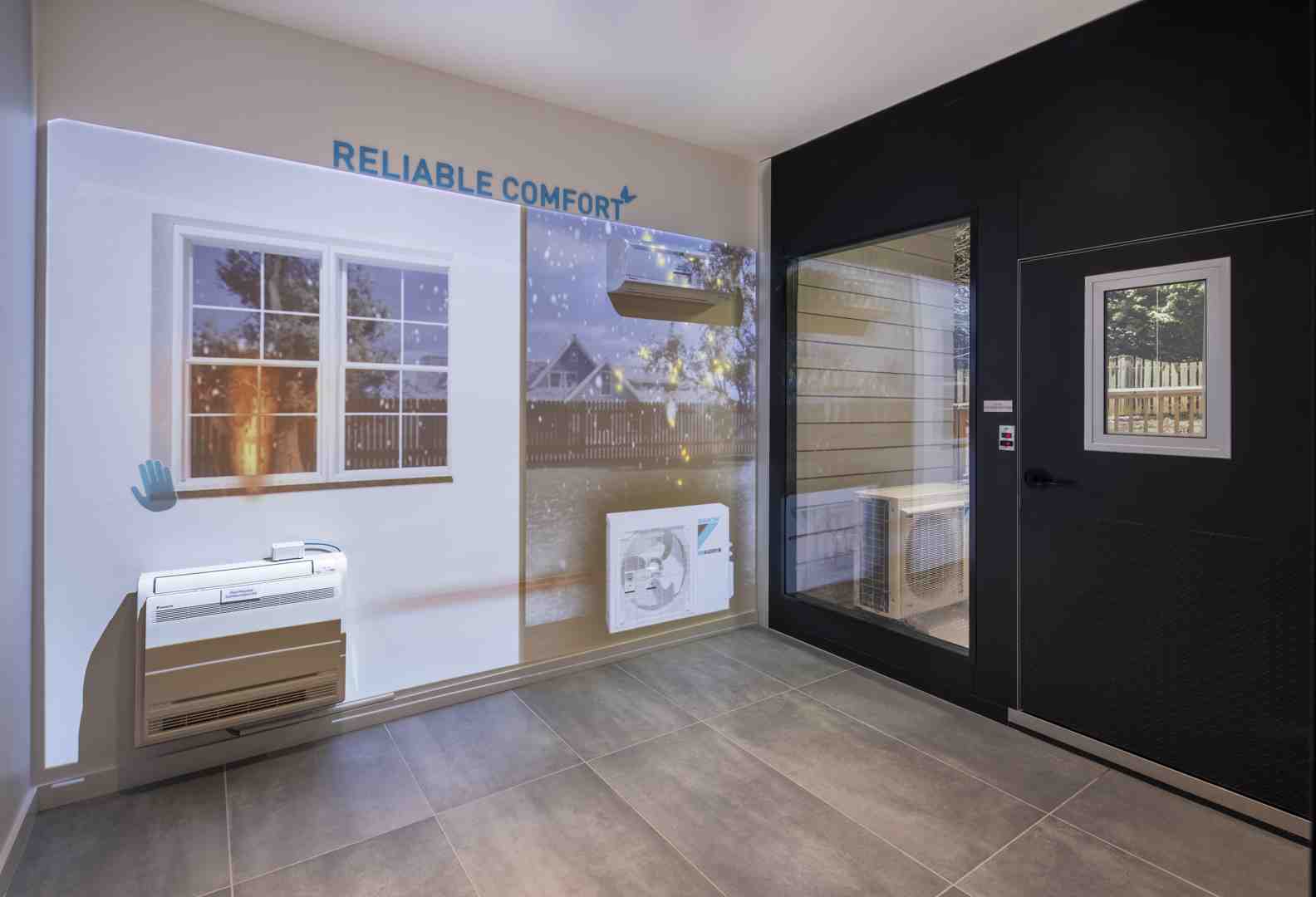
If you want to see this technology in action, we invite you to visit our Pacific Northwest Daikin Experience Center in Seattle. It’s a unique space where you can see, hear, and feel the difference that inverter technology and proper maintenance make. From sustainability to personalized comfort, we are here to help you get the most out of your Daikin system.
Take control of your home comfort today and ensure your system is ready for whatever the Pacific Northwest throws its way.
Schedule a Visit

your individual indoor comfort needs
products firsthand
with an authorized Daikin Dealer
.webp)
See why our customers Choose Us

“Jem is very inviting and knowledgeable. She gave us a walk through of the Daikin Experience Center and patiently answered all our questions. Learned a lot about HVAC’s through this visit.”
“Jem did a great job walking us through the various Daikin products and efficiencies of the products. She was very knowledgeable on everything Daikin. Highly recommend coming in for a tour prior to picking out your various AC systems.”
“Great experience at Daikin Seattle Experience Center: pre-purchase demos of home heating system (Daikin Fit), list of HVAC companies, working Daikin staff and external contractors to ensure highest quality. This experience sets the bar of how any home HVAC experience should be. Have got the Daikin Fit installed and so far seems to work very well – quiet, good home heating in peak winter (heat transfer/BTU/air handling); Functionality of Daikin thermostat and the iPhone app makes it very easy to use.”
“This place is awesome! If you are in the market for a new HVAC system, visit the Daikin Experience Center to get educated on the newest technology as well as available rebates and incentives for where you live. They’ll even connect you with local contractors in your area who install Daikin equipment.”
