

.webp)

.svg)


How Daikin variable speed operation maintains your set temperature: 2026 Best
Why Understanding How Daikin Variable Speed Operation Maintains Your Set Temperature Changes Everything
How Daikin variable speed operation maintains your set temperature comes down to one core idea: instead of blasting on at full power and then shutting off completely, Daikin's inverter-driven compressor runs continuously at precisely the speed needed to match your home's real-time heating or cooling demand — no more, no less.
Here's the short version:
- Inverter compressor adjusts its speed up or down based on how much heating or cooling is needed at any given moment
- ECM air handler motor modulates airflow to match that output, keeping circulation steady and consistent
- Result: your home stays within a very tight range of your set temperature, with no uncomfortable spikes or dips
Think of it like cruise control on a highway. A traditional system is stop-and-go city driving — constantly cycling on at full power, then cutting off entirely. Daikin's variable speed technology holds a steady "speed," making small corrections as conditions change.
For Seattle homeowners dealing with mild but unpredictable Pacific Northwest weather in May 2026, that kind of precision matters. High utility bills, rooms that never quite feel right, and humidity that lingers between cooling cycles are all symptoms of a system that can't modulate — only blast or stop.
This guide explains exactly how the technology works, why it outperforms traditional systems, and what it means for your day-to-day comfort.
What is Variable Speed Operation in Modern HVAC?
In home comfort, "variable speed" is the gold standard for efficiency and precision. To understand it, we first have to look at what it replaced. For decades, HVAC systems were binary. They were either 100% "on" or 100% "off." When your thermostat noticed the temperature in your Tukwila living room had climbed a degree or two, it would signal the air conditioner to kick on at full blast. Once the temperature dropped below the setpoint, the system would slam shut.
Variable speed operation changes this dynamic entirely. Instead of a simple on/off switch, imagine a dimmer switch for your entire home's climate. This technology is powered by What is AC Inverter Technology, which allows the compressor—the heart of the system—to operate at various percentages of its total capacity.
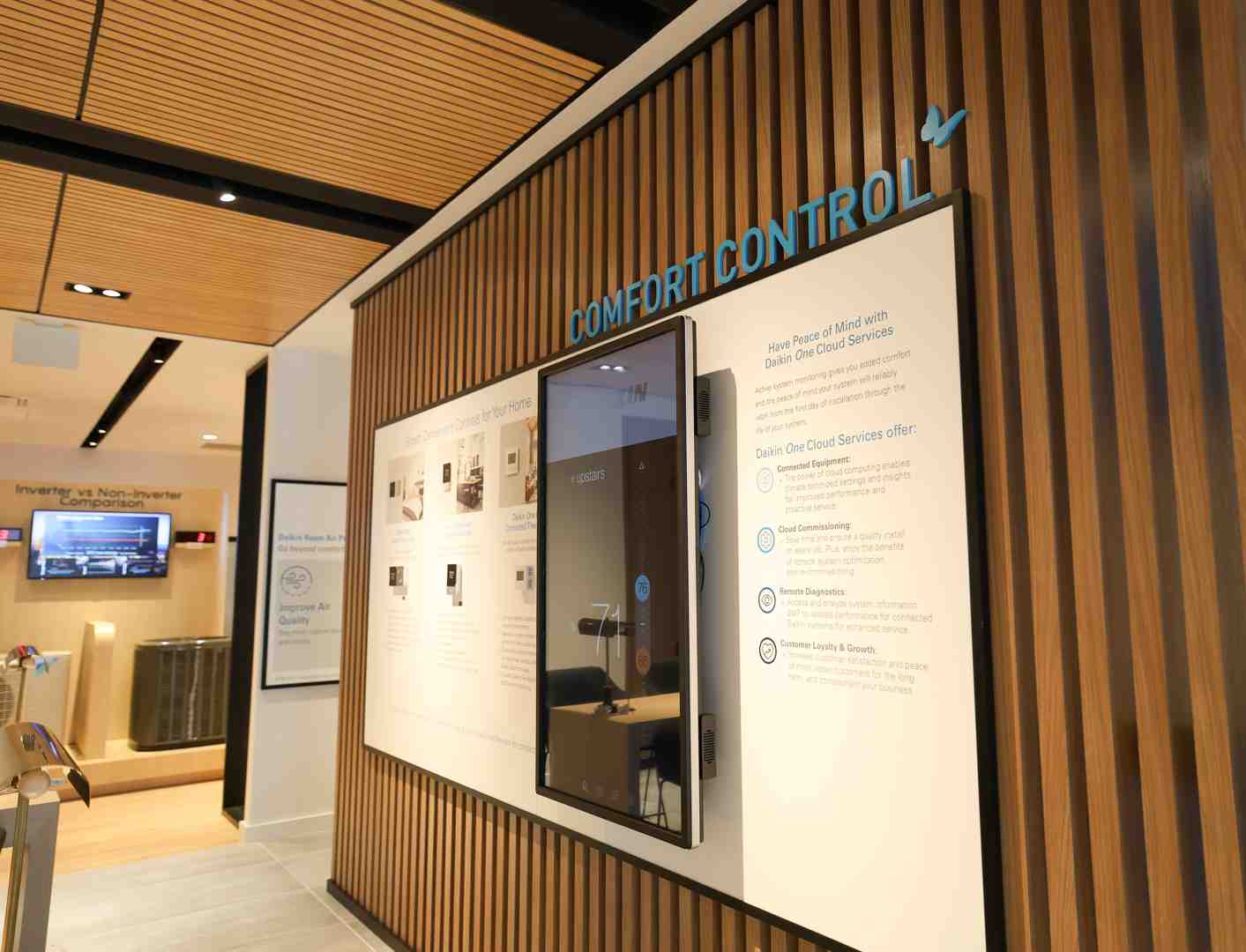
At its core, variable speed means the system can run at 30%, 50%, or 85% capacity depending on what the day requires. On a mild May morning in Seattle, your system might only need to hum along at 40% capacity to keep things perfect. By 3:00 PM, when the sun is hitting your west-facing windows, it might ramp up to 75%. This modulation eliminates the massive energy spikes associated with starting a motor from a dead stop and prevents the "blast of cold air" followed by "stuffy silence" that defines older technology.
How Daikin Variable Speed Operation Maintains Your Set Temperature
The magic of how daikin variable speed operation maintains your set temperature lies in its ability to perform "real-time demand matching." Traditional systems are reactive; they wait for the temperature to get uncomfortable before they act. Daikin systems are proactive.
By utilizing Daikin Inverter Technology, the system continuously monitors the gap between your desired temperature and the actual indoor temperature. Instead of waiting for a 2-degree swing, the inverter compressor makes tiny adjustments to its rotational speed every few seconds.
Think about it this way: if you are trying to keep a bucket filled with water that has a small leak, you have two choices. You can wait for the bucket to be half empty and then dump a five-gallon pail into it all at once (traditional HVAC), or you can leave the tap running at a tiny trickle that perfectly matches the rate of the leak (Daikin Variable Speed). The latter keeps the water level perfectly steady at all times.
How Daikin Variable Speed Operation Maintains Your Set Temperature via Inverter Logic
The "brain" behind this operation is the intelligent inverter drive module. This module takes the incoming AC power from your Seattle home and converts it into DC power, then modulates the frequency to control the motor speed.
We often use the "Cruise Control" analogy because it’s the most accurate way to describe the experience. When you set your car to 60 MPH, the engine doesn't turn off when you hit 60 and then restart when you drop to 58. It simply eases off the gas or adds a little more to maintain that exact speed.
This is exactly Why Choose an Inverter AC System. By avoiding the "stop and go" cycle, the system avoids the most energy-intensive part of HVAC operation: the startup. It takes much more energy to get a heavy compressor motor spinning from a standstill than it does to keep it spinning at a low, steady rate. This logic is what allows Daikin systems to stay within a fraction of a degree of your setpoint.
How Daikin Variable Speed Operation Maintains Your Set Temperature in Seattle Homes
In the Pacific Northwest, our comfort challenges are unique. We don't often deal with 110-degree heat, but we do deal with "shoulder seasons" where it's 55 degrees in the morning and 72 in the afternoon. This is where the ECM (Electronically Commutated Motor) in the air handler becomes a hero.
While the outdoor compressor is varying its speed, the indoor ECM motor is doing the same for your airflow. These Inverter Technology Air Conditioners don't just push air at one speed. The ECM can adjust its RPM to overcome static pressure in your ductwork, ensuring that even the furthest bedroom in your Tukwila home receives the exact amount of conditioned air needed.
If the system determines your home only needs a tiny bit of cooling, the ECM slows the fan down. This slow, steady movement of air is much quieter and much more effective at mixing the air in the room, which eliminates those annoying "hot spots" or "cold pockets" near the floor or ceiling.
Comparing Variable Speed to Traditional On/Off Systems
To truly appreciate how daikin variable speed operation maintains your set temperature, it helps to see the data side-by-side. Traditional systems (single-stage) are essentially all-or-nothing machines.
| Feature | Single-Stage (Traditional) | Daikin Variable Speed (Inverter) |
|---|---|---|
| Operation | 0% or 100% | 30% to 100% (Modulating) |
| Temp Fluctuations | 3 - 5 Degree Swings | Within 0.5 - 1 Degree |
| Sound Levels | Loud "Bang" at Start | Soft "Whir" (Whisper Quiet) |
| Energy Efficiency | High Consumption at Startup | "Cruise Control" Efficiency |
| Humidity Control | Poor (Short Cycles) | Excellent (Longer, Lower Cycles) |
| Component Wear | High (Frequent Stops/Starts) | Low (Continuous Operation) |
The "cycling losses" in a traditional system are significant. Every time a single-stage unit turns off, the cool air in the ducts starts to warm up. When it kicks back on, it has to push that warm air out first before it can start cooling the house again. This is why you might feel a "ghost of warm air" right before the AC starts to feel good. In contrast, Inverter vs Non-Inverter AC comparisons show that variable speed systems keep the "coolth" (yes, we’re making that a word) moving constantly, so the air is always at the temperature you requested.
Beyond Heat: Humidity Control and Air Quality
In Seattle, "hot" is often synonymous with "muggy." Even on a 75-degree day, the humidity can make your home feel sticky and uncomfortable. This is another area where how daikin variable speed operation maintains your set temperature provides a secondary, massive benefit: superior dehumidification.
Air conditioners remove moisture from the air as a byproduct of the cooling process. Moisture condenses on the cold indoor coils and is drained away. However, a traditional system that only runs for 10 minutes at a time (short-cycling) doesn't run long enough for the coils to get cold enough to pull significant moisture out of the air.
Because Daikin variable speed systems are designed to run for longer periods at lower speeds, they spend much more time pulling humidity out of your indoor environment. This results in Daikin Home Comfort that feels crisp and dry.
Furthermore, because the fan is running more often (at a lower, quieter speed), your air is being passed through your high-efficiency filters more frequently. This constant circulation means fewer dust particles, allergens, and pollutants are settling on your furniture or in your lungs. It’s a holistic approach to air quality that only variable speed technology can provide.
Intelligent Control with VRV and FIT Systems
Daikin takes variable speed to the next level with specialized platforms like the Daikin FIT and VRV (Variable Refrigerant Volume) systems.
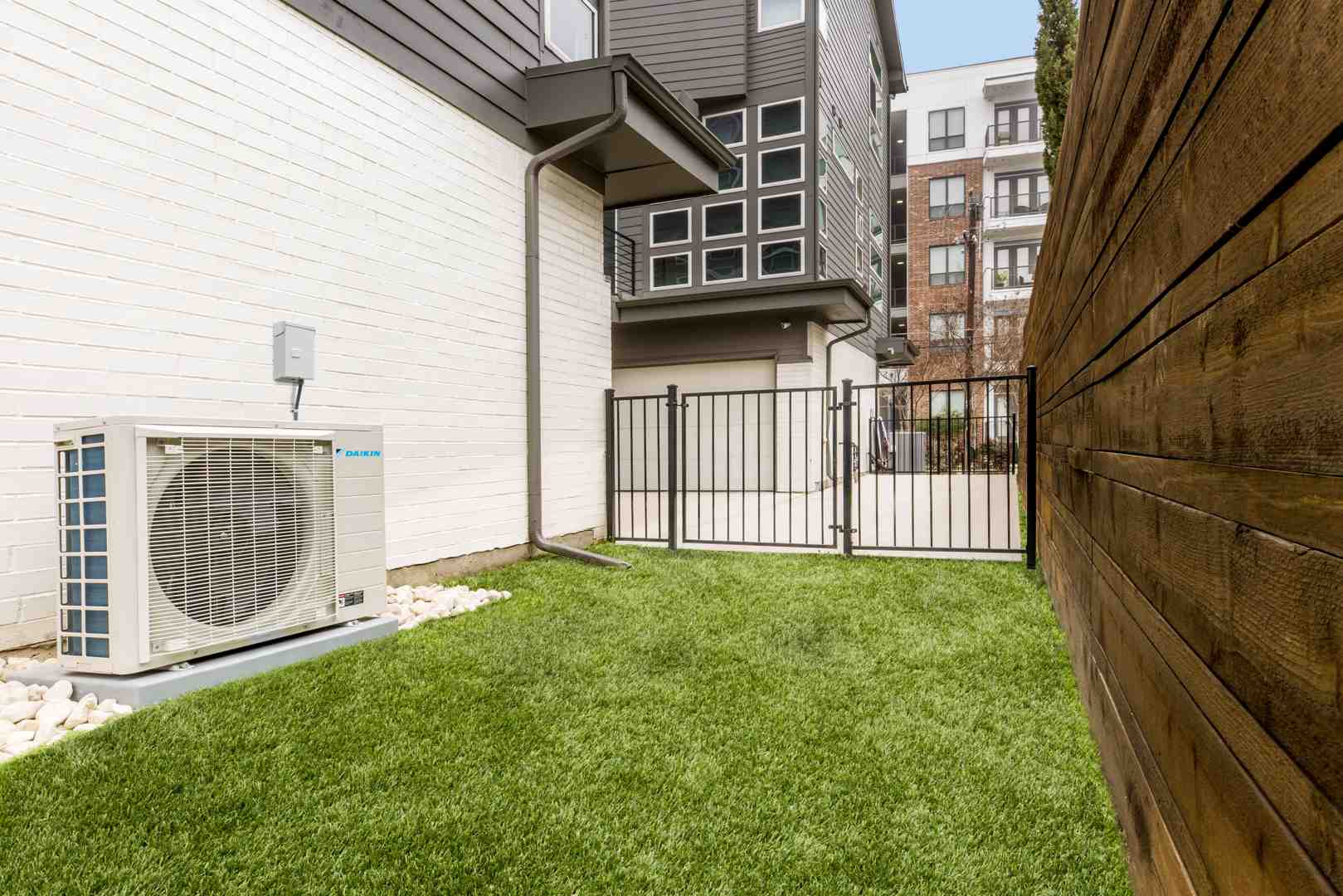
The Daikin FIT system is a side-discharge unit, meaning it doesn't look like the giant, noisy "cube" sitting in your yard. It’s slim and compact, making it perfect for zero-lot-line homes in Seattle or Tukwila where space is at a premium. But the real beauty is inside. The FIT is a fully communicating system, meaning the outdoor unit, indoor unit, and the Daikin One Touch thermostat are constantly talking to each other.
If you have a VRV system, you gain the power of zoning. You can maintain a perfect 68 degrees in your home office while allowing the guest room to stay at 72. The system is smart enough to send only the exact amount of refrigerant needed to each specific zone. This is the ultimate expression of an Energy Efficient Heat Pump because you aren't wasting energy cooling rooms you aren't using.
Daikin’s Variable Refrigerant Temperature (VRT) technology even goes a step further by adjusting the temperature of the refrigerant itself based on the outdoor weather. In May, when it's not too hot, the system might raise the refrigerant temperature slightly to prevent "cold drafts," ensuring the air coming out of your vents is always comfortable, never biting.
Frequently Asked Questions about Temperature Maintenance
Why does my variable speed system run longer than my old one?
This is the most common question we get at our Seattle Experience Center! It might seem counterintuitive, but running longer is actually a sign of efficiency. Your old system was a "sprinter" — it ran at 100% speed, got tired, and stopped. Your Daikin system is a "marathon runner." It finds a steady, low-energy pace and stays there. By running longer at a lower speed, it uses less electricity than the frequent "power surges" required to start and stop a traditional motor.
Does variable speed technology work for both heating and cooling?
Absolutely. Whether you are using a Daikin FIT heat pump to stay warm during a chilly Washington autumn or cool during a summer heatwave, the inverter technology works the same way. It modulates the compressor to provide the exact amount of heat transfer required. This is why Daikin heat pumps are so effective even in colder temperatures where traditional heat pumps might struggle.
How does a smart thermostat improve temperature regulation?
While the inverter is the "brawn," a smart thermostat like the Daikin One Touch is the "brain." It doesn't just tell the system "on" or "off." It provides high-resolution data about the home's thermal gain and loss. It can even predict when your home will need more cooling based on outdoor weather patterns, allowing the variable speed system to ramp up gradually rather than playing catch-up.
Conclusion
The science behind how daikin variable speed operation maintains your set temperature is a blend of advanced physics, intelligent software, and high-quality mechanical engineering. By moving away from the outdated "all-or-nothing" approach of the past, Daikin has created a way for Pacific Northwest homeowners to enjoy a level of comfort that was previously impossible.
No more "layering up" because the AC overcooled the room, and no more tossing and turning because the humidity spiked while the system was off. With a Daikin system, your home remains a sanctuary of steady, quiet, and efficient comfort.
If you want to see this technology in action, we invite you to visit the Daikin Experience Center in Seattle. It is the only place in the Pacific Northwest where you can interact with these systems and feel the difference that Daikin Inverter Technology makes. Our team is here to help you find the perfect "fit" for your home and your lifestyle. Stay comfortable, Seattle!
Schedule a Visit

your individual indoor comfort needs
products firsthand
with an authorized Daikin Dealer
.webp)
See why our customers Choose Us

“Jem is very inviting and knowledgeable. She gave us a walk through of the Daikin Experience Center and patiently answered all our questions. Learned a lot about HVAC’s through this visit.”
“Jem did a great job walking us through the various Daikin products and efficiencies of the products. She was very knowledgeable on everything Daikin. Highly recommend coming in for a tour prior to picking out your various AC systems.”
“Great experience at Daikin Seattle Experience Center: pre-purchase demos of home heating system (Daikin Fit), list of HVAC companies, working Daikin staff and external contractors to ensure highest quality. This experience sets the bar of how any home HVAC experience should be. Have got the Daikin Fit installed and so far seems to work very well – quiet, good home heating in peak winter (heat transfer/BTU/air handling); Functionality of Daikin thermostat and the iPhone app makes it very easy to use.”
“This place is awesome! If you are in the market for a new HVAC system, visit the Daikin Experience Center to get educated on the newest technology as well as available rebates and incentives for where you live. They’ll even connect you with local contractors in your area who install Daikin equipment.”
