

.webp)

.svg)


Pre-Summer Daikin Heat Pump Checklist: Essential 2026 Guide
Why a Pre-Summer Daikin Heat Pump and Ductless Inspection Checklist is Essential for Seattle Homes
A pre-summer Daikin heat pump and ductless inspection checklist is the single most effective step Seattle homeowners can take before the cooling season arrives. Here is a quick overview of the essential checks:
- Clean or replace indoor unit filters
- Clear debris and restore 18-inch clearance around the outdoor unit
- Inspect and flush the condensate drain line
- Check refrigerant charge and look for error codes (U0, A3, E5)
- Test reversing valve and defrost controls
- Inspect electrical connections, capacitors, and wiring
- Verify thermostat calibration and system performance (delta-T)
- Schedule a professional coil cleaning and system diagnostic
Seattle summers arrive fast. One week the sky is gray and mild, and the next your Daikin system is running hard to keep up with back-to-back warm days. Without a pre-season inspection, small issues — a clogged drain line, a dirty coil, a low refrigerant charge — quietly erode efficiency and set the stage for a breakdown right when you need cooling most. Research consistently shows that without routine service, system efficiency can drift 5 to 15 percent, and a yearly tune-up often returns four to ten times its cost in preserved performance and avoided repairs. For Pacific Northwest homeowners who rely on Daikin inverter-driven ductless systems year-round, getting ahead of summer demand is not just smart maintenance — it is how you protect your investment and stay comfortable all season long.
Quick pre summer daikin heat pump and ductless inspection checklist terms:
- how spring maintenance prevents daikin breakdowns during heat domes
- spring daikin system maintenance before summer heat events
- what your certified daikin dealer should check during a spring visit
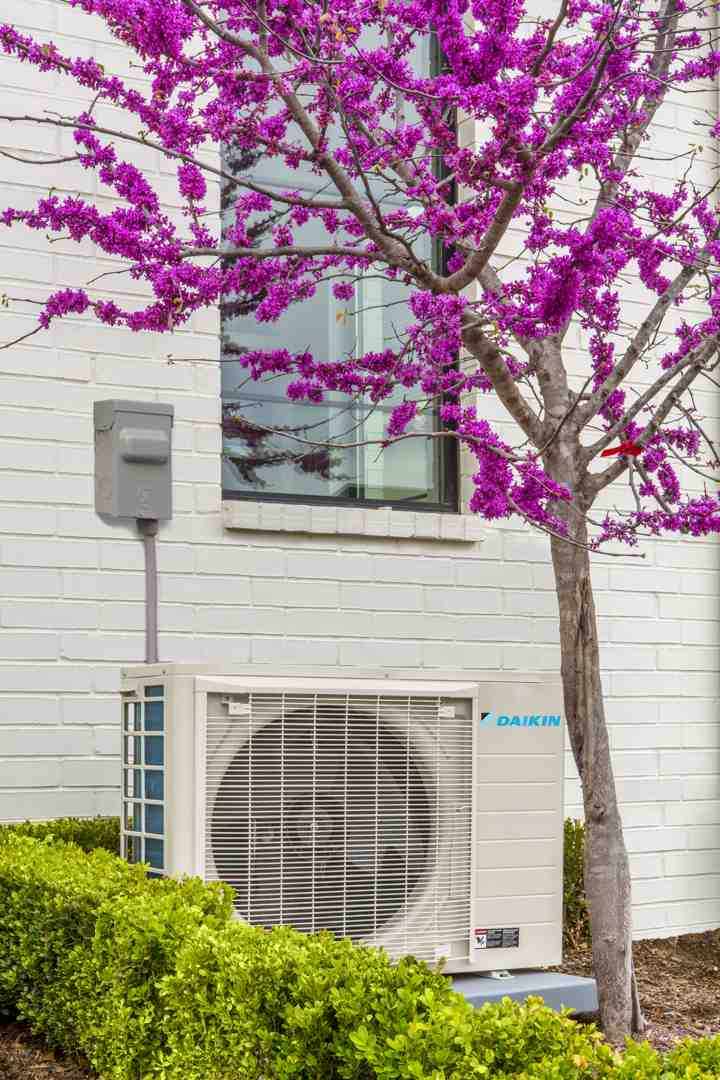
In the Pacific Northwest, we are famous for our mild spring weather, but June 2026 is the perfect reminder of how quickly our summers can heat up. While older homes in the Seattle area historically went without air conditioning, modern comfort standards and increasingly frequent summer heat events have made cooling a necessity. Daikin heat pumps and ductless mini-splits are uniquely suited to our climate, leveraging advanced inverter technology to keep our homes comfortable.
Unlike traditional single-stage systems that constantly cycle fully on and fully off, Daikin's inverter modulation adapts dynamically to minor temperature changes. This technology typically trims cooling energy use by 20 to 35 percent compared to older ducted systems. However, to maintain these high-efficiency benefits, your system must be in top mechanical shape before the summer heat hits.
Skipping seasonal maintenance can have a compounding negative effect. Without routine service, system efficiency can drift by 5 to 15 percent, quietly eroding your monthly energy savings and placing unnecessary strain on vital components. When you combine proper equipment maintenance with appropriate home insulation, air sealing, and smart thermostat settings, you can cut your overall heating and cooling energy usage by 20 to 50 percent.
Preparing your system early protects you from the summer rush. When temperatures spike in Tukwila and the greater Seattle area, local HVAC technicians are flooded with emergency repair calls. By running through a pre-season checklist in the spring, you ensure that any minor issues — like a slightly worn capacitor or a slow refrigerant leak — are caught and resolved before they turn into a mid-July breakdown.
For a deeper dive into preparing your home for seasonal transitions, check out our Spring Daikin System Maintenance Before Summer Heat Events guide and our comprehensive Summer HVAC Preparation Guide.
The Homeowner's DIY Maintenance Steps
While many technical aspects of your Daikin heat pump require the specialized tools of a professional, homeowners can perform several basic maintenance tasks. Taking an active role in caring for your ductless heads or ducted heat pump will keep your indoor air fresh and prevent common mechanical issues.
To help you understand the division of labor, here is a quick comparison of what you can safely handle yourself versus what requires a professional eye:
| Maintenance Task | Homeowner DIY | Professional Technician |
|---|---|---|
| Clean and wash indoor air filters | Yes | Included in service |
| Clear leaves, weeds, and debris from outdoor unit | Yes | Included in service |
| Visually inspect outdoor unit for physical damage | Yes | Yes |
| Deep chemical clean of indoor/outdoor coils | No | Yes |
| Flush and treat condensate drain lines | No | Yes |
| Measure electrical amp draw and verify wire connections | No | Yes |
| Verify and adjust refrigerant levels | No | Yes |
| Run advanced system diagnostics and read historical error codes | No | Yes |
Consistently performing these basic DIY tasks goes a long way toward protecting your system's longevity. For a complete local walkthrough of home-care tips, take a look at our Daikin Ductless Maintenance Tips for Pacific Northwest Homes.
Cleaning Filters in Your Pre-Summer Daikin Heat Pump and Ductless Inspection Checklist
Dirty air filters are the primary cause of poor airflow, reduced cooling capacity, and frozen evaporator coils. When dust, pet dander, and pollen accumulate on the fine mesh filters of your Daikin ductless wall heads, your system has to work twice as hard to pull air through the unit. This extra strain reduces your comfort and drives up your utility bills.
For standard Daikin ductless mini-split units, cleaning your filters is simple:
- Turn off the power: Use your remote controller to turn off the indoor unit.
- Open the front panel: Gently lift the front grille of the wall head until it clicks and holds open.
- Remove the filters: Slide the mesh air filters downward out of their slots.
- Clean the filters: Take the filters outside and gently brush off loose dust, or rinse them in a sink with cool, plain water. Avoid harsh chemicals or hot water.
- Dry thoroughly: Let the filters air dry completely in a shaded area. Never reinstall damp filters, as this can encourage mold growth inside the dark cabinet.
- Reinstall: Slide the clean, dry filters back into their tracks and snap the front panel shut.
In the Pacific Northwest, we recommend checking these filters every 30 to 90 days. If you have pets, allergy sufferers, or live near a dusty road in Tukwila, checking them monthly is best. For more preventative care strategies, consult our HVAC Preventative Maintenance Guide 2025.
Clearing Outdoor Unit Obstructions
Your Daikin outdoor unit (the condenser) is responsible for releasing the heat it absorbs from inside your home. To do this efficiently, the fan needs to pull large volumes of air through the outdoor coil. If the outdoor unit is crowded by overgrown shrubs, low-hanging branches, weeds, or stored items, the heat transfer process is severely restricted.
Before the summer cooling season starts, clear a minimum of 18 inches of open space around all sides of your outdoor unit. Cut back any spring growth, clear away dead leaves that may have gathered around the base during winter storms, and ensure no patio furniture or gardening tools are leaning against the cabinet.
Additionally, check that the unit is sitting level on its pad or wall brackets. Damp ground in our region can sometimes cause pads to settle unevenly over time, which can put stress on copper refrigerant lines. For more information on how our local climate impacts outdoor equipment, read about How Moisture and Rain Affect Your Daikin Outdoor Unit.
Professional Inspection Checklist for Daikin Systems
While DIY care keeps your system breathing freely, a professional inspection goes deep under the hood to verify electrical safety, mechanical health, and peak thermodynamic performance. Certified technicians use specialized diagnostic tools to check components that are otherwise inaccessible or dangerous to handle without proper training.
During a professional spring visit, a technician will focus on critical components such as:
- Electrical Connections and Contacts: Tightening terminal screws, checking for frayed wiring, and testing capacitors. Weak capacitors are the leading cause of "no-cool" calls during the first hot weekend of summer.
- Reversing Valve: Verifying that the valve successfully shifts the flow of refrigerant from heating mode to cooling mode without sticking.
- Defrost Controls: Testing the sensors and control boards to ensure the system transitions smoothly between cycles, preventing outdoor coil ice-ups.
To understand what you should expect during a professional visit, see our Professional HVAC Maintenance Services page and review What Your Certified Daikin Dealer Should Check During a Spring Visit.
Deep Coil Cleaning and Condensate Management
The indoor evaporator coils and outdoor condenser coils must remain perfectly clean to transfer heat efficiently. Over time, microscopic dust particles bypass the filters and form a thin insulating blanket over the delicate aluminum fins of the indoor coil. In our damp Pacific Northwest climate, this moist, dark environment can become a breeding ground for mold and mildew, leading to musty odors when you turn on the cooling.
A professional technician will perform a deep coil cleaning using self-rinsing, biodegradable coil cleaners that dissolve grime without damaging the aluminum fins.
Equally important is condensate management. As your Daikin system cools, it dehumidifies the indoor air, pulling gallons of moisture out of the atmosphere. This water drips into an internal drain pan and flows away through a narrow condensate drain line. If this line is clogged by dust, algae, or mold, the water will back up and overflow, potentially causing expensive water damage to your drywall.
Technicians will thoroughly flush the condensate lines, clear any gelatinous buildup, and verify that gravity drains or mini-condensate pumps are working perfectly. For a closer look at why this is so critical in our damp region, check out Daikin Ductless Coil Cleaning Why It Matters in Damp Climates.
Advanced Diagnostics in the Pre-Summer Daikin Heat Pump and Ductless Inspection Checklist
One of the greatest advantages of owning a modern Daikin system is its built-in self-diagnostic capability. Your system constantly monitors pressures, temperatures, and electrical currents. If something drifts outside of normal operating parameters, the system generates a specific error code, which is often indicated by a flashing light on the indoor unit.
During a pre-summer inspection, a professional technician will check the system's memory for stored error codes and perform advanced diagnostic tests, including:
- U0 (Refrigerant Shortage): A system low on refrigerant operates up to 20 percent less efficiently, putting extra stress on the compressor. Technicians will find and repair the leak rather than simply topping off the system.
- U4 (Communication Error): Checking the signal wires between the indoor and outdoor units to ensure reliable operation.
- A6 (Fan Motor Malfunction): Testing the indoor fan motor's amp draw to prevent a sudden failure during a heatwave.
Catching these issues early is key to avoiding costly emergency repairs. For guidance on scheduling these crucial diagnostics, see How Often Should You Schedule Professional Daikin Ductless Service.
Frequently Asked Questions About Summer HVAC Prep in Seattle
Preparing your home for summer often brings up a few common questions. Here are clear answers to help you navigate your pre-season prep. For a broader look at local system care, consult our HVAC Maintenance Seattle WA Guide.
How often should my Daikin ductless system be serviced?
We recommend scheduling a professional maintenance visit at least once a year. Because heat pumps in Seattle provide both heating in the winter and cooling in the summer, they work hard through two distinct seasons. If your system serves as your primary heat source all winter and your main cooling source all summer, scheduling a semi-annual check-up (once in spring and once in fall) is the best way to maintain peak performance and ensure compliance with Daikin’s manufacturer warranty.
What are the most common Daikin error codes before summer?
The most common codes we see ahead of the cooling season include:
- U0: Indicates a refrigerant shortage. This usually points to a tiny pinhole leak in the line sets or flare connections that developed during winter ground shifts.
- A3: Indicates abnormal drain levels. This means the condensate pan is full and the safety switch has shut down the system to prevent water damage.
- E5: Indicates compressor overload, which is often caused by dirty outdoor coils or restricted airflow.
If you see any of these codes flashing on your unit, it is best to turn off the system and contact a certified professional to diagnose and resolve the issue.
Can a pre-summer tune-up lower my Seattle energy bills?
Yes, absolutely. A professional tune-up directly targets the factors that cause your system to waste power. Clean coils and clear filters restore proper heat transfer, allowing the inverter compressor to run at lower, energy-sipping speeds. Moving from an older, poorly maintained system to a clean, high-efficiency setup can trim your cooling energy use significantly. When you consider that a yearly tune-up prevents unexpected breakdowns, it quickly pays for itself.
Conclusion
Taking the time to run through a pre-summer Daikin heat pump and ductless inspection checklist is the best way to ensure your home remains a cool, comfortable sanctuary all summer long. From simple DIY filter cleaning to professional deep coil washing and diagnostic checks, early preparation saves energy, prevents breakdowns, and extends the life of your equipment.
At Daikin Seattle, we are proud to be your local comfort partners. If you want to see the latest in high-efficiency climate technology or discuss your home's needs with our friendly local experts, we invite you to visit our unique Pacific Northwest Daikin Experience Center in Seattle.
Ready to get your system ready for summer? Schedule Professional Daikin Service with our team of certified specialists today!
Schedule a Visit

your individual indoor comfort needs
products firsthand
with an authorized Daikin Dealer
.webp)
See why our customers Choose Us

“Jem is very inviting and knowledgeable. She gave us a walk through of the Daikin Experience Center and patiently answered all our questions. Learned a lot about HVAC’s through this visit.”
“Jem did a great job walking us through the various Daikin products and efficiencies of the products. She was very knowledgeable on everything Daikin. Highly recommend coming in for a tour prior to picking out your various AC systems.”
“Great experience at Daikin Seattle Experience Center: pre-purchase demos of home heating system (Daikin Fit), list of HVAC companies, working Daikin staff and external contractors to ensure highest quality. This experience sets the bar of how any home HVAC experience should be. Have got the Daikin Fit installed and so far seems to work very well – quiet, good home heating in peak winter (heat transfer/BTU/air handling); Functionality of Daikin thermostat and the iPhone app makes it very easy to use.”
“This place is awesome! If you are in the market for a new HVAC system, visit the Daikin Experience Center to get educated on the newest technology as well as available rebates and incentives for where you live. They’ll even connect you with local contractors in your area who install Daikin equipment.”
