

.webp)

.svg)


How a Daikin single zone system heats and cools one room efficiently: 2026 Best
Why Understanding How a Daikin Single Zone System Heats and Cools One Room Efficiently Can Transform Your Home Comfort
How a Daikin single zone system heats and cools one room efficiently comes down to one core idea: instead of generating heat or cold air, it moves heat between the indoors and outdoors using a closed refrigerant loop — no ductwork required.
Here's the quick answer:
- Cooling: The indoor unit pulls warm air across refrigerant-filled evaporator coils. The refrigerant absorbs the heat, evaporates into gas, and carries that heat outside.
- Heating: The cycle reverses. The system extracts heat energy from outdoor air and transfers it inside, even in cold Pacific Northwest winters.
- Efficiency driver: Daikin's inverter technology adjusts compressor speed continuously rather than switching on and off, keeping your room within 1 degree of your thermostat setting.
- Ductless advantage: No ducts means no energy lost to leaks — traditional ducted systems can lose 30% or more of their effectiveness through duct inefficiencies.
- Single zone: One outdoor unit connects to one indoor unit, giving that specific room precise, independent climate control.
If you have one room in your Seattle home that never quite reaches the right temperature — a home office that bakes in summer, a garage that freezes in winter, or a new addition that your central system simply can't reach — you already know the problem firsthand.
Most traditional HVAC systems treat your entire home as one big space. That means overcooling the living room just to make the upstairs bedroom bearable, or cranking the heat for the whole house when only one person is working in a cold study. The result is wasted energy, higher utility bills, and that persistent feeling that your comfort system is always slightly off.
A Daikin single zone ductless system solves this with a targeted, intelligent approach to climate control — built specifically for the room that needs it most.
Understanding the Mechanics: How a Daikin Single Zone System Heats and Cools One Room Efficiently
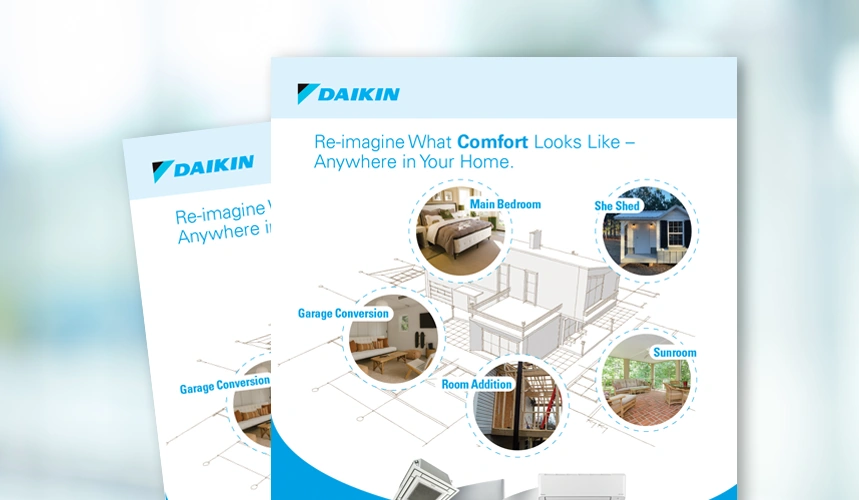
To truly appreciate the engineering behind these systems, we have to look at the "heat transfer" process. Most people think of an air conditioner as a machine that "makes coldness." In reality, cold isn't something you create; it’s simply the absence of heat.
A Single Zone Mini Split works by moving thermal energy from one place to another using a refrigerant like R-32. This refrigerant is a specialized fluid that can change from a liquid to a gas at very low temperatures, allowing it to absorb and release heat with incredible efficiency.
In a single-zone setup, we connect one indoor air-handling unit to one outdoor condensing unit. They are linked by a small conduit that houses the refrigerant lines, power cables, and a suction line. Because there are no ducts to push air through, the system doesn't have to fight against the friction or air leaks that plague traditional HVAC setups. We often tell our neighbors in Tukwila that it’s like having a dedicated climate specialist living in that one specific room.
For a deeper dive into the science, you can explore How Ductless Mini Split Systems Work to see how these components interact to keep your indoor air pristine.
The Cooling Process: Absorbing Heat for a Refreshing Space
When the mercury rises during a humid July afternoon in the Pacific Northwest, your Daikin system kicks into cooling mode. The indoor unit’s fan pulls the warm, humid air from your room across the evaporator coils. These coils are filled with cold liquid refrigerant.
As the air passes over the coils:
- Heat Absorption: The refrigerant absorbs the heat from the air, causing the refrigerant to evaporate into a gas.
- Dehumidification: As the air cools, it loses its ability to hold moisture. This excess water condenses on the coils and is safely drained away outside, leaving your room both cooler and less "sticky."
- Heat Expulsion: The now-warm gaseous refrigerant travels to the outdoor unit, where the compressor squeezes it, releasing the heat into the outside air.
This cycle continues until the room reaches your exact desired temperature. Many homeowners find that Single Zone Mini Splits Transform Cooling in rooms that used to be unbearable, like south-facing sunrooms or upper-floor bedrooms.
The Heating Process: Extracting Outdoor Warmth for Winter Comfort
One of the most common questions we get at our Seattle Experience Center is: "How can it provide heat if it's freezing outside?"
This is where Daikin’s heat pump technology shines. Even when it feels cold to us, there is still a significant amount of thermal energy in the outdoor air. By using a reversing valve, the system simply flips the cooling process on its head. The outdoor unit absorbs heat from the crisp Washington air and transfers it to the indoor unit to warm your home.
This "reverse cycle" is far more efficient than electric baseboard heaters or space heaters, which have to generate heat through resistance. Moving heat is always more energy-efficient than creating it from scratch. You can learn more about achieving year-round Comfort with Single Zone Mini Splits even when the PNW winter is at its peak.
The Role of Inverter Technology and Smart Sensors
The secret sauce that truly defines how a Daikin single zone system heats and cools one room efficiently is the Inverter.
Think of a traditional HVAC system like a light switch: it’s either 100% on or 100% off. When the thermostat calls for air, the system roars to life, consumes a massive spike of energy, overshoots the target temperature, and then shuts down. This "see-saw" effect leads to temperature swings of up to 10 degrees and puts unnecessary wear on the equipment.
Daikin’s Inverter technology is more like a dimmer switch. Instead of stopping and starting, the compressor modulates its speed. It runs faster when you first turn it on to reach the target temperature quickly, then slows down to a "whisper" to maintain that level. This results in an Energy Efficient Mini Split that uses only the exact amount of power needed at any given moment.
Maintaining Precision: How a Daikin Single Zone System Heats and Cools One Room Efficiently with Inverter Logic
By avoiding the constant start-stop cycle, Daikin systems can maintain a room’s temperature within a single degree of the thermostat setting. In terms of your utility bill, this can lead to a 30% or more reduction in energy consumption compared to fixed-speed systems.
- No Energy Spikes: The most expensive part of running an HVAC system is the startup. Inverters eliminate this.
- Adaptive Performance: If you open a window or more people enter the room, the system detects the change and subtly increases its output without you ever noticing.
- Longevity: Because the system isn't constantly "cranking" to life, the internal components last much longer.
It’s a smarter way to stay comfortable, which is why we recommend checking out the specifics of the Single Zone Mini Split for your next home project.
Intelligent Eye: Motion-Sensing Efficiency
Efficiency isn't just about the motor; it’s about the brain. Many Daikin models come equipped with the "Intelligent Eye," an infrared sensor that monitors activity in the room.
If the sensor detects that the room has been empty for 20 minutes, it automatically switches the system to an energy-saving mode. As soon as you walk back in, it returns to your preferred settings. This feature alone can offer:
- Up to 20% additional energy savings in cooling mode.
- Up to 30% additional energy savings in heating mode.
- Targeted airflow that can be directed away from people to avoid "drafty" feelings.
Components, Installation, and Seattle Applications
A single zone system is elegantly simple. It consists of:
- The Indoor Unit: This can be wall-mounted, floor-standing, or even a recessed ceiling cassette.
- The Outdoor Unit: A compact, quiet compressor that sits outside your home.
- The Conduit: A bundle of lines that connects the two through a small, four-inch hole in the wall.
The installation process is significantly less invasive than adding ductwork. We don't have to tear down walls or sacrifice closet space for bulky vents. In most cases, we can have a single-zone system up and running in a single day, providing a Ductless Mini Split for Room Without Ductwork that feels like it was always part of the house.
Why Ductless Beats Traditional Ducted Systems
If you're wondering why you shouldn't just extend your existing ducts, consider the "efficiency tax" of traditional systems. According to industry research, leaky or uninsulated ducts can reduce an HVAC system's effectiveness by 30% or more.
| Feature | Daikin Ductless Single Zone | Traditional Ducted System |
|---|---|---|
| Energy Loss | Near Zero (Direct Delivery) | 30%+ (Leaky/Uninsulated Ducts) |
| Temperature Control | Independent for the Room | Averages the Whole House |
| Installation | Quick (4" wall opening) | Invasive (Wall/Ceiling Demo) |
| Noise Level | Whisper Quiet (19 dB(A)) | Audible Air Rushing/Vents |
| Efficiency Rating | Up to 26-27.4 SEER | Typically 14-18 SEER |
When you compare Single vs Multi Zone Mini Split options, the single-zone often comes out on top for efficiency because it is perfectly sized for one specific load, rather than trying to balance multiple rooms at once.
Strategic Placement: How a Daikin Single Zone System Heats and Cools One Room Efficiently in Specific Applications
Where does a single zone system make the most sense? In our experience serving the Tukwila and Seattle areas, we see four main "problem areas" solved by this technology:
- The Remote Home Office: With more of us working from home in 2026, having a quiet, comfortable office is essential. You can keep your office at 72 degrees while the rest of the house stays at 65, saving money while you work.
- The Garage or Workshop: Transform a "storage shed" into a year-round hobby space or home gym.
- The New Addition: If you’ve added a sunroom or a "mother-in-law" unit (ADU), a single-zone system provides independent climate control without overtaxing your main furnace.
- The Master Bedroom: Many homeowners in the Pacific Northwest find their second floor stays too hot in the summer. A single-zone unit in the bedroom ensures a perfect night's sleep without running the whole-house AC.
Choosing the Right Model for the Pacific Northwest
Daikin offers several models tailored to our unique climate:
- OTERRA: A fantastic all-rounder that provides reliable efficiency and a sleek design.
- ATMOSPHERA: The next generation of comfort, utilizing R-32 refrigerant to reduce environmental impact while providing top-tier cooling.
- AURORA: Specifically designed for cold climates. If you live in an area prone to freezing temperatures, the AURORA can provide 100% heating capacity even when it's 5°F outside.
All of these models feature advanced filtration, such as the Titanium Apatite Photocatalytic Air-Purifying filter, which helps remove allergens and odors. Plus, with sound levels as low as 19 dB(A), they are literally quieter than a library.
Frequently Asked Questions about Single Zone Efficiency
Can a single zone system handle extreme Seattle winters?
Absolutely. While standard heat pumps used to struggle in the cold, Daikin’s AURORA series is engineered for sub-zero performance. It continues to extract heat from the outdoor air even in freezing conditions, ensuring your Comfort with Single Zone Mini Splits never wavers.
How often should I clean the filters?
To keep the system running at peak efficiency, we recommend checking the washable filters every two to three weeks during periods of heavy use. It only takes a few minutes to rinse them off, and it ensures that the How Ductless Mini Split Systems Work process isn't hindered by dust or debris.
Is a single zone system quieter than a window AC?
There is no comparison! A window unit has the noisy compressor sitting right in your window frame. With a Daikin system, the compressor is outside. The indoor unit is designed for "absolute silence," reaching levels as low as 19 dB(A). Most people don't even realize it’s on until they feel the comfortable air. You can experience this Single Zone Mini Splits Transform Cooling at our Experience Center.
Conclusion
Mastering one-room comfort doesn't have to be a struggle against your home's existing architecture. By understanding how a Daikin single zone system heats and cools one room efficiently, you can take control of your environment, reduce your carbon footprint, and finally enjoy that "problem room" in your house.
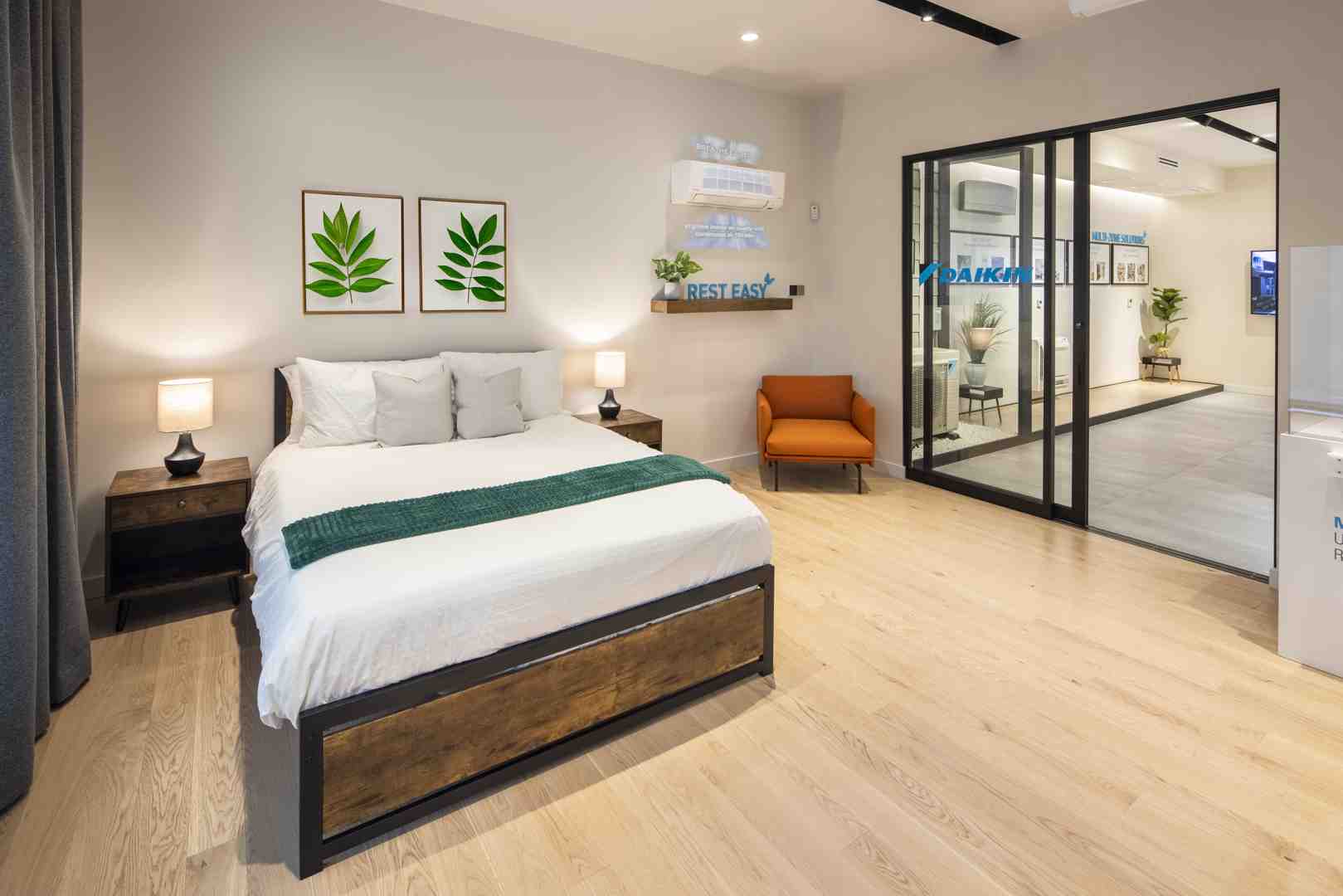
At Daikin Seattle, we’re proud to be your local experts in the Pacific Northwest. Whether you’re in Tukwila or the heart of Seattle, our team is here to help you design a system that fits your life perfectly. We invite you to visit our Daikin Experience Center to see these systems in action and feel the "Inverter difference" for yourself.
Ready to transform your home? Explore our Single Zone Mini Split solutions today and discover a more sustainable, comfortable future for your favorite room.
Schedule a Visit

your individual indoor comfort needs
products firsthand
with an authorized Daikin Dealer
.webp)
See why our customers Choose Us

“Jem is very inviting and knowledgeable. She gave us a walk through of the Daikin Experience Center and patiently answered all our questions. Learned a lot about HVAC’s through this visit.”
“Jem did a great job walking us through the various Daikin products and efficiencies of the products. She was very knowledgeable on everything Daikin. Highly recommend coming in for a tour prior to picking out your various AC systems.”
“Great experience at Daikin Seattle Experience Center: pre-purchase demos of home heating system (Daikin Fit), list of HVAC companies, working Daikin staff and external contractors to ensure highest quality. This experience sets the bar of how any home HVAC experience should be. Have got the Daikin Fit installed and so far seems to work very well – quiet, good home heating in peak winter (heat transfer/BTU/air handling); Functionality of Daikin thermostat and the iPhone app makes it very easy to use.”
“This place is awesome! If you are in the market for a new HVAC system, visit the Daikin Experience Center to get educated on the newest technology as well as available rebates and incentives for where you live. They’ll even connect you with local contractors in your area who install Daikin equipment.”
