

.webp)

.svg)


How Daikin Integrated Air Quality Differs from Standalone Purifiers: Top 5 Wins
Why Indoor Air Quality in Seattle Demands More Than a Portable Purifier
How daikin integrated air quality differs from standalone purifiers comes down to one fundamental distinction: whole-home coverage versus spot treatment. Here's a quick breakdown before we dive deeper:
| Feature | Daikin Integrated IAQ | Standalone Portable Purifier |
|---|---|---|
| Coverage | Every room via central HVAC | Single room only |
| Ventilation | Fresh air exchange (ERV/HRV) | Recirculates existing room air |
| Humidity control | Integrated humidifiers/dehumidifiers | None (standard units) |
| Automation | Smart thermostat + real-time alerts | Manual settings |
| Filtration grade | MERV 13+ / HEPA | Varies, often lower grade |
| Biological defense | UVC coil purifiers + HEPA | Filter-only (no coil protection) |
| Installation | Professional, whole-home | Plug-in, no setup required |
The EPA lists indoor air quality as one of the top five environmental health risks — and Americans spend roughly 87% of their time indoors, where pollutant levels can run two to five times higher than outside. For Seattle homeowners dealing with wildfire smoke seasons, damp Pacific Northwest winters, and tightly sealed energy-efficient homes that trap contaminants, a single portable unit sitting in the corner of a living room simply cannot keep up.
For a broader look at your options, the Indoor Air Quality Solutions Complete Guide is a great place to start.
How Daikin integrated air quality differs from standalone purifiers in coverage
When we talk about "coverage," we aren't just talking about square footage; we’re talking about the physics of how air moves through your home. A standalone portable air purifier is essentially a "spot treatment" device. It pulls in air from its immediate vicinity, passes it through a filter, and pushes it back out. In a large Seattle home, this creates a "clean bubble" around the device, but the bedrooms upstairs or the home office down the hall remain largely unaffected.
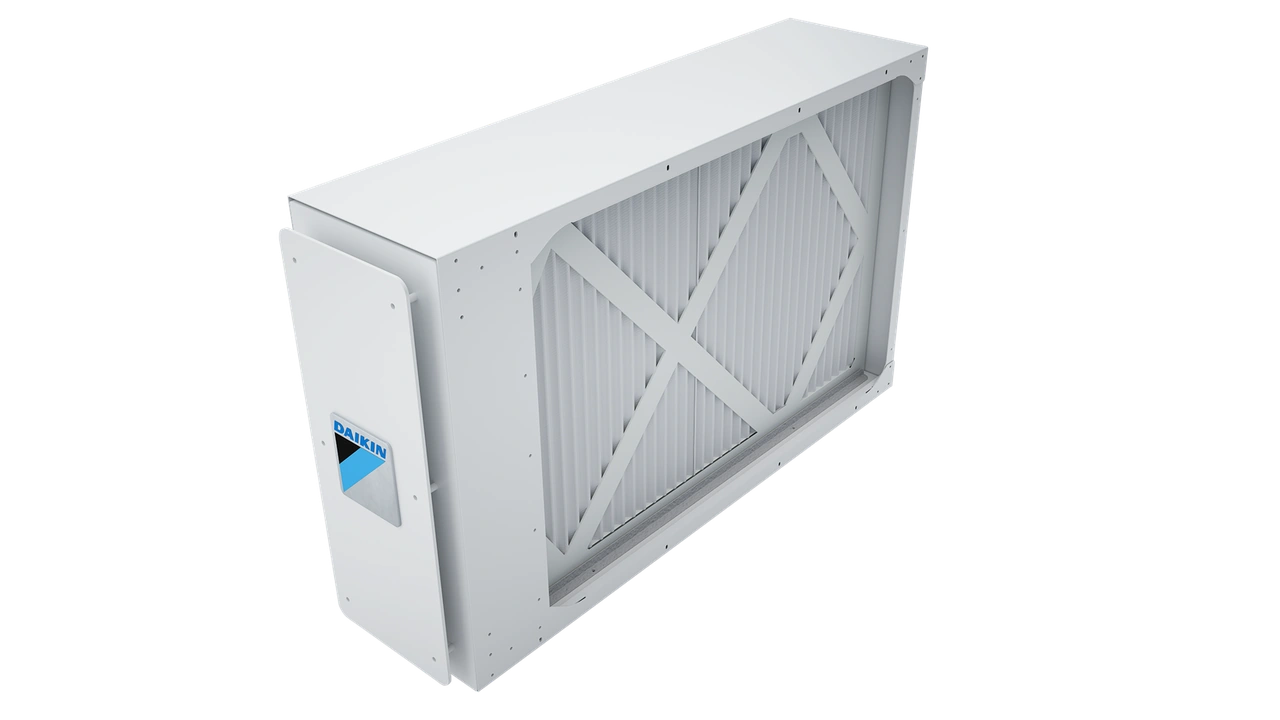
In contrast, a Daikin integrated system utilizes your home’s central HVAC blower as the engine for air purification. This is a "whole-house strategy." By integrating filtration directly into the ductwork, every single cubic foot of air that is heated or cooled is also scrubbed clean. As the system cycles air through the return vents, it passes through high-efficiency filters before being redistributed to every room.
This means you don't have to carry a heavy plastic unit from the living room to the bedroom every night. Whether you are in the kitchen or the basement, you are breathing air that has been treated by the same high-standard system. For those living in areas like Kent or Tukwila, where urban dust and pollen can be persistent, having a Whole House Air Purifier in Kent, WA ensures that "dust bunnies" don't stand a chance, no matter where they try to hide.
The Daikin One Ecosystem: Detect, Visualize, and Act
One of the most significant ways how daikin integrated air quality differs from standalone purifiers is through the "intelligence" of the system. Most standalone purifiers are "dumb" devices—they stay on whatever setting you manually select, or they use a basic, localized sensor that only knows what is happening three feet away from the unit.
The Daikin One ecosystem operates on a sophisticated "Detect, Visualize, and Act" framework. This isn't just a marketing slogan; it’s a communicating network that turns your home into a smart environment.
- Detect: The Daikin One Home Air Monitor is installed directly into your ductwork. It constantly samples the air moving through the system, looking for particulate matter (PM2.5), volatile organic compounds (VOCs), and even tracking temperature and humidity.
- Visualize: All this data is sent to your Daikin One+ Smart Thermostat or your smartphone via the Daikin One Home App. You can actually see the "health" of your air in real-time.
- Act: This is the game-changer. If the monitor detects a "chemical event"—perhaps you’re using strong cleaning sprays or there’s a spike in outdoor wildfire smoke—it tells the HVAC system to ramp up filtration or increase ventilation automatically.
For a deeper dive into how this works, check out our Daikin One Indoor Air Quality Guide.
Why automated action is how Daikin integrated air quality differs from standalone purifiers
Imagine you are searing a steak in the kitchen. A portable purifier in the living room might eventually notice the smoke once it drifts across the house, but by then, the VOCs have already settled into your carpets and upholstery.
The Daikin One system establishes a 7-day baseline of your home’s unique air profile. It learns what "normal" looks like for your household. When it detects a deviation from that baseline, it acts immediately. It doesn't wait for you to notice a smell or start sneezing. This automated, proactive response is a hallmark of Daikin Indoor Air Quality solutions. It takes the guesswork out of breathing.
Real-time adjustments vs manual operation
Most of us have enough to do without adding "Air Quality Manager" to our daily chore list. Standalone units require manual intervention—you have to remember to turn them up when you’re cooking or down when you’re sleeping (because of the noise).
Daikin’s integrated systems use two-way communication. The thermostat, the air monitor, and the furnace or heat pump all "talk" to each other. If the air is clean, the system runs at its most energy-efficient, low-speed setting. If pollutants are detected, it scales up. This seamless integration ensures that your IAQ is always optimized without you ever having to touch a button.
Beyond Filtration: Ventilation and Humidity Control
This is perhaps the most overlooked aspect of how daikin integrated air quality differs from standalone purifiers. A portable purifier only filters the air that is already inside your home. It recirculates the same stale air over and over.
In the Pacific Northwest, we deal with "The Big Damp"—those long, rainy months where moisture gets trapped inside, leading to musty odors and potential mold growth. Conversely, during wildfire season, our homes become airtight boxes trapping CO2 and VOCs.
Daikin integrated systems can include Energy Recovery Ventilators (ERVs) or Heat Recovery Ventilators (HRVs). These systems actually bring in fresh, filtered outdoor air while expelling stale indoor air.
| Feature | Daikin ERV/HRV System | Standalone Portable Purifier |
|---|---|---|
| Air Source | Exchanges stale indoor air for fresh outdoor air | Recirculates existing (stale) indoor air |
| CO2 Reduction | Actively lowers CO2 levels via ventilation | Cannot reduce CO2 levels |
| Energy Recovery | Retains up to 60% of indoor heat during exchange | No energy recovery capability |
| Moisture Control | ERVs limit moisture entry by up to 40% | No impact on incoming humidity |
By installing a Whole House Ventilation System, you ensure that your home "breathes" properly, which is something no standalone filter can achieve.
How Daikin integrated air quality differs from standalone purifiers in biological defense
While HEPA filters are excellent at trapping particles, they don't necessarily "kill" what they catch. Biological threats like mold spores, bacteria, and viruses can sometimes survive on filter media.
Daikin’s integrated approach often includes UVC Coil Purifiers. These are installed near the cooling coil of your HVAC system—the dampest part of the unit where mold and biofilm love to grow. The UVC light continuously shines on the coil, neutralizing biological contaminants before they can ever enter your airstream.
When you combine this with MERV 13+ filtration, you have a multi-layered defense. The filter catches the physical particles, and the UVC light handles the biological threats. This comprehensive "search and destroy" mission is one of the many Modern HVAC Air Filtration Benefits that keep Seattle families healthier.
Performance and Efficiency Advantages in the Pacific Northwest
We live in a region that values sustainability and quiet comfort. Standalone air purifiers are notorious for being noisy, especially on high settings. If you want to clean the air in your bedroom, you often have to tolerate a whirring fan all night.
Because Daikin integrated systems use inverter technology and are housed primarily outdoors or in a mechanical closet, they are whisper-quiet. The "work" of moving and cleaning the air happens behind the scenes. Furthermore, running one highly efficient central system is often more energy-efficient than running four or five separate portable units throughout the house to achieve similar (though still inferior) coverage.
Professional installation is key here. When we perform a Daikin Air Purifier Installation Seattle, we ensure that your ductwork is sealed and your system is calibrated for the specific static pressure requirements of high-efficiency MERV 13 or HEPA filters. This prevents the "whistling" or reduced airflow issues that can happen when DIY-ing air quality solutions.
Frequently Asked Questions about Integrated IAQ
When should I choose a portable room air purifier instead?
We’ll be the first to admit that integrated systems aren't for everyone. If you are a renter in a Seattle apartment, you likely can't start cutting into the ductwork to install a Daikin One system. In these cases, a Daikin portable room air purifier is an excellent choice.
These are also great for homes without central ductwork (though a Ductless Mini-Split with Built-in Air Purifier is a fantastic permanent alternative for those spaces). Portable units are "plug-and-play," making them ideal for targeted, temporary needs.
How does integrated humidity control improve comfort?
In the Pacific Northwest, humidity is a major player in how we perceive temperature. High humidity makes a summer day feel sweltering, while low humidity in the winter makes the air feel bone-chillingly cold and dries out your respiratory tract.
Daikin’s integrated IAQ solutions can include whole-home steam humidifiers and dehumidifiers. By keeping your home in the "sweet spot" of 30% to 50% humidity, you not only protect your wood floors and furniture but also make the air feel more comfortable at lower thermostat settings, saving you money on energy bills.
What are the long-term maintenance differences?
Standalone purifiers often require filter changes every 30 to 90 days, and because they are small, those filters can clog quickly. Most Daikin whole-home filters are designed to last 6 to 12 months.
Because the system is integrated, your Daikin One+ thermostat will actually track the pressure drop across the filter and the run-time of the fan to give you an accurate alert when it’s actually time for a change. No more guessing or wasting money on filters that still have life in them. Plus, keeping your air clean also keeps your HVAC coils clean, which can extend the lifespan of your entire system by years.
Conclusion
Choosing between a standalone unit and an integrated system is a choice between a temporary fix and a permanent infrastructure for health. How daikin integrated air quality differs from standalone purifiers is rooted in the philosophy that the air in your home should be managed as a single, cohesive ecosystem.
At Daikin Seattle, we are committed to helping our neighbors in the Pacific Northwest breathe easier. Whether you're looking to combat seasonal allergies, protect your family from wildfire smoke, or simply eliminate the musty odors of a damp Washington winter, an integrated solution offers a level of automation, efficiency, and total-home protection that portable units simply can't match.
If you want to see these systems in action, we invite you to visit our Pacific Northwest Daikin Experience Center in Seattle. You can interact with the Daikin One ecosystem and see exactly how our inverter technology and advanced filtration work together to create the perfect indoor environment.
Ready to take control of your home's health? Experience Daikin Integrated IAQ and discover the difference that a whole-home strategy can make for your family.
Schedule a Visit

your individual indoor comfort needs
products firsthand
with an authorized Daikin Dealer
.webp)
See why our customers Choose Us

“Jem is very inviting and knowledgeable. She gave us a walk through of the Daikin Experience Center and patiently answered all our questions. Learned a lot about HVAC’s through this visit.”
“Jem did a great job walking us through the various Daikin products and efficiencies of the products. She was very knowledgeable on everything Daikin. Highly recommend coming in for a tour prior to picking out your various AC systems.”
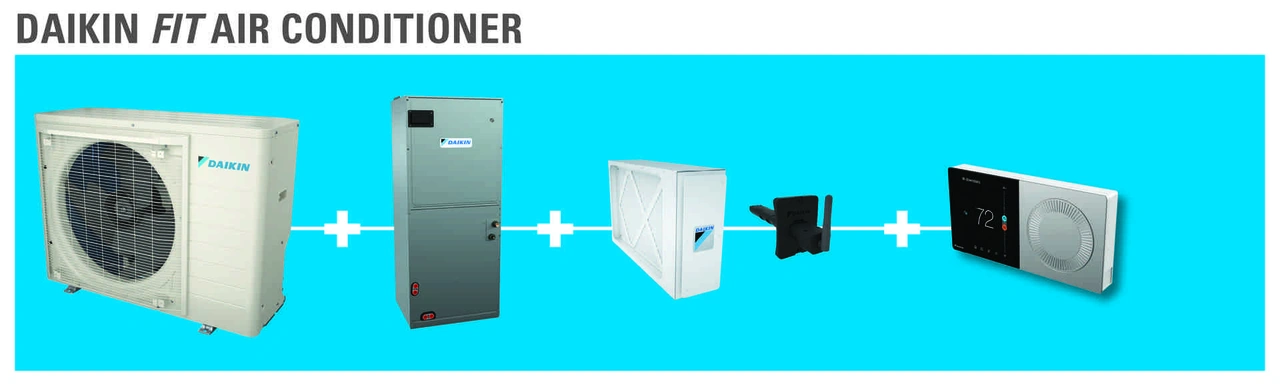
“Great experience at Daikin Seattle Experience Center: pre-purchase demos of home heating system (Daikin Fit), list of HVAC companies, working Daikin staff and external contractors to ensure highest quality. This experience sets the bar of how any home HVAC experience should be. Have got the Daikin Fit installed and so far seems to work very well – quiet, good home heating in peak winter (heat transfer/BTU/air handling); Functionality of Daikin thermostat and the iPhone app makes it very easy to use.”
“This place is awesome! If you are in the market for a new HVAC system, visit the Daikin Experience Center to get educated on the newest technology as well as available rebates and incentives for where you live. They’ll even connect you with local contractors in your area who install Daikin equipment.”
