

.webp)

.svg)


HVAC Systems in Bellevue, WA: Ultimate Comfort 2026
Understanding HVAC Systems in Bellevue's Unique Climate
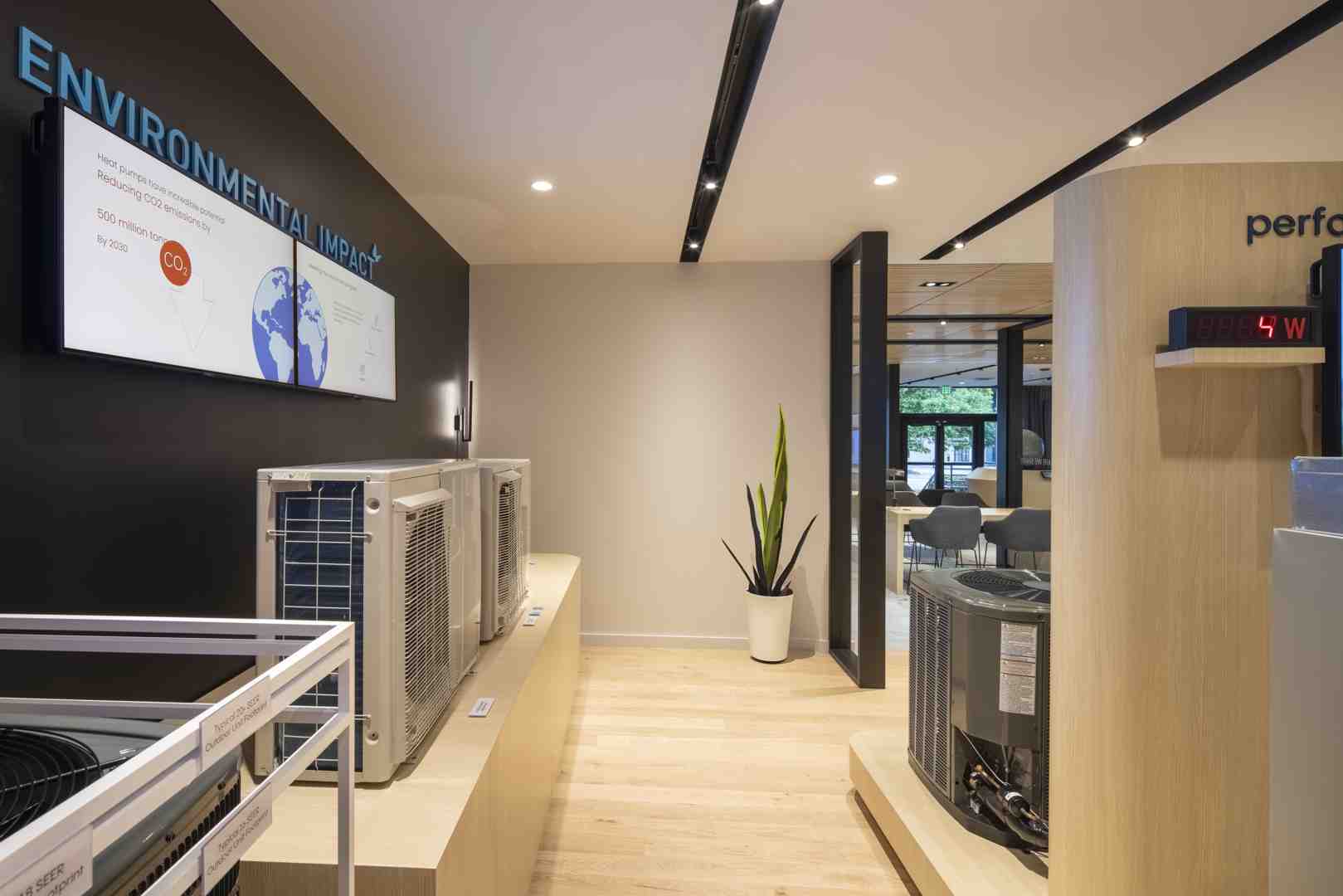
HVAC systems in Bellevue, WA face unique demands from the Pacific Northwest's marine climate—cool, wet winters and mild, occasionally humid summers. If you're dealing with high utility bills, uneven temperatures, or poor indoor air quality, you're not alone. Many Bellevue homeowners struggle with outdated or mismatched systems that can't keep up with seasonal moisture, shoulder-season wear, and the region's push toward electrification. The right HVAC solution combines year-round comfort, energy efficiency, and healthier indoor air.
Quick Answer: Top HVAC Systems for Bellevue Homes
- Heat Pumps: Efficient heating and cooling in one unit; ideal for mild PNW winters (operate efficiently down to -13°F)
- Ductless Mini-Splits: Perfect for homes without ducts or for zoned comfort; flexible and energy-efficient
- Central Air Conditioning: Whole-home cooling through existing ductwork; pairs well with furnaces
- Smart Thermostats: Optimize energy use and provide remote control for better efficiency
- Indoor Air Quality (IAQ) Solutions: High-MERV filters, ERVs, humidity control, and UV lights reduce allergens and moisture issues
For expert guidance on all your HVAC needs, explore our HVAC Systems Bellevue services, or schedule your consultation in Bellevue, WA today.
Bellevue's climate creates specific challenges: frequent runtime during spring and fall increases wear on compressors and blowers, while persistent humidity raises the risk of mold and indoor air quality problems. Meanwhile, growing local incentives and a regional focus on electrification make heat pump upgrades and inverter-driven systems increasingly attractive. Understanding which technologies fit your home—and how to maintain them—can mean the difference between constant comfort and costly breakdowns.
Navigating Bellevue's Climate: Common HVAC Issues & Solutions
Bellevue’s weather is friendly, but not always friendly to older equipment. We routinely see:
- Uneven temperatures across floors or rooms due to duct design, poor zoning, or aging equipment.
- High indoor humidity and musty odors in wet seasons, which can aggravate allergies and drive microbial growth.
- Short-cycling during shoulder seasons from systems that aren’t properly sized or lack variable-speed modulation.
- Rising energy bills from inefficient units or clogged filters.
- Frequent repairs on systems beyond their prime.
Solutions that work well in the Pacific Northwest include right-sizing your equipment, adopting inverter-driven heat pumps or ductless systems, adding Energy Recovery Ventilation (ERV), and upgrading filtration and humidity control. When your goal is whole-home comfort, we can help you evaluate whether a whole-house solution or a zoned approach fits best with our Whole House HVAC Solutions Bellevue.
A quick comparison of the most common residential options:
| System Type | Best For | Pros | Considerations |
|---|---|---|---|
| Heat Pumps | Year-round comfort in mild climates | Heating and cooling in one, efficient, low carbon, quiet, operate well even at -13°F | Works best with good insulation and proper sizing |
| Ductless Mini-Splits | Homes without ducts, additions, bonus rooms, or zoned comfort | No duct losses, excellent efficiency, zone control, quick install | Multiple indoor units may be needed for whole-home coverage |
| Central AC | Homes with existing ductwork seeking whole-home cooling | Familiar whole-home solution, pairs with furnace | Cooling only; look at SEER ratings and duct condition |
Choosing Suitable HVAC Systems for Bellevue's Climate
- Heat pumps: For year-round comfort and lower emissions, modern, inverter-driven heat pumps are a natural fit for Bellevue’s mild winters and warm summers. See our Reliable Heat Pumps Bellevue Guide.
- Ductless mini-splits: Ideal for homes without ductwork, remodels, or targeted zoning (home offices, primary suites, basements). Explore Multi-Zone Mini Split Bellevue to tailor comfort room-by-room.
- Central air conditioning: When ducts are in good shape and you prefer a traditional whole-home cooling approach, we’ll help you evaluate efficiency and airflow upgrades. Learn more about Daikin Air Conditioning Solutions Bellevue WA.
If you’re unsure how to choose between whole-home systems and zoning, we’ll walk you through the trade-offs at our Experience Center and during your in-home consultation. Start here: Whole House HVAC Solutions Bellevue.
Are Heat Pumps a Good Option for Bellevue Homes?
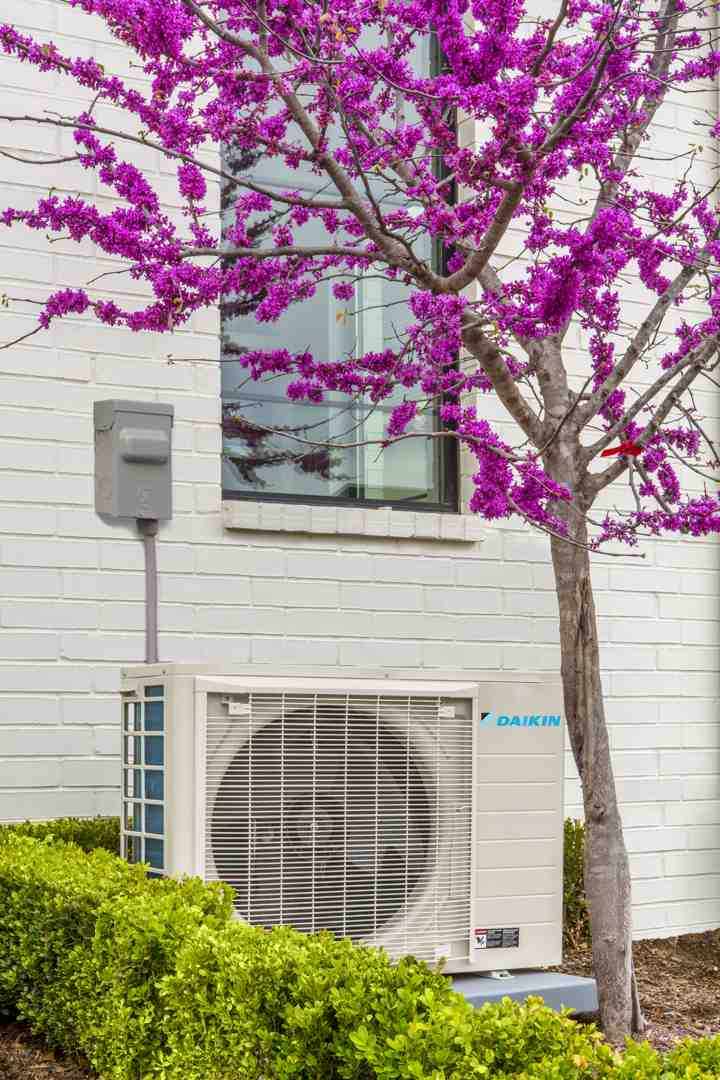
In a word, yes. Heat pumps are often the best match for Bellevue’s climate because:
- They deliver both heating and cooling from the same system, using electricity to transfer heat rather than generate it.
- Modern inverter-driven models ramp output up or down to match your needs, which prevents temperature swings and reduces energy waste.
- They’re optimized for mild climates and can operate efficiently down to -13°F, which provides a reliable safety margin for the occasional cold snap.
- Heat pumps integrate seamlessly with zoned ductless systems or with existing ducts in many homes.
Planning your upgrade or keeping your current system in top shape? Don’t miss our quick-read resources on service and uptime: Same Day Heat Pumps Repair Bellevue WA Tips.
Maximizing Comfort and Efficiency with Modern HVAC Technologies
Today’s comfort isn’t just about heating and cooling—it’s about smart, efficient, quiet systems that adjust to your lifestyle. We design systems that prioritize:
- Energy efficiency using inverter technology and high-SEER performance.
- Balanced ventilation to handle humidity and fresh air without energy penalties.
- Real-time controls via smart thermostats and seamless zoning.
- Indoor air quality that supports health and comfort day in, day out.
For a deeper dive, check out our overview of HVAC Technologies Bellevue.
Energy Efficiency Considerations for Bellevue Homeowners
- SEER ratings: In Washington, the minimum SEER rating is 14. Many Bellevue homeowners choose SEER 16–20+ for better comfort and meaningful long-term energy savings, especially when combined with inverter-driven operation.
- Inverter technology: Instead of cycling on/off, inverter compressors modulate output to your exact needs, boosting efficiency, reducing wear, and keeping temperatures steady.
- Energy Recovery Ventilation (ERV): ERVs bring in fresh air while transferring heat and moisture between incoming and outgoing air streams, reducing heating and cooling losses and improving IAQ.
- Smart thermostats: App-based control, scheduling, geofencing, and energy reports make it easier to trim waste without thinking about it.
Get started here: Energy Efficient HVAC Systems Bellevue WA.
The Critical Role of Indoor Air Quality
In Bellevue’s damp climate, indoor air quality deserves a headline role in your HVAC plan. We focus on:
- Filtration: High-MERV filters help capture fine dust, pollen, and allergens. Learn about High-MERV filters.
- Humidity control: Balanced humidity deters musty odors and mold while keeping you more comfortable at lower energy use.
- UV light add-ons: UV can reduce microbial load on coils and in air streams; the EPA’s overview of the indoor microbiome helps explain why that matters.
- Fresh-air ventilation: ERVs exchange stale indoor air with fresh outdoor air while conserving energy—ideal for airtight homes.
Explore our Indoor Air Quality Solutions Bellevue or go straight to a fully integrated approach: Daikin Indoor Air Quality System Bellevue WA.
The Homeowner's Guide to Upgrading HVAC Systems in Bellevue, WA
Knowing when to repair or replace pays off—literally and figuratively. A well-maintained, quality HVAC system typically lasts 15–20 years. For traditional air conditioners, 12–15 years is common before efficiency drops and repair frequency rises. If you’re facing repeated fixes or inconsistent comfort, an upgrade may be the smarter long-term move.
Upgrading to modern, inverter-driven systems can mean:
- Better comfort with steadier temperatures and quieter operation.
- Lower energy use, especially with higher SEER ratings and smart controls.
- Healthier indoor air via integrated filtration, humidity control, and ventilation.
- Future-forward electrification that reduces fossil fuel dependence.
Take a closer look at your options: HVAC Systems Bellevue.
Signs Your HVAC System Needs Repair or Replacement
If you’re noticing any of the following, it’s worth a professional evaluation:
- Age: Systems nearing 15–20 years (or AC units beyond 12–15 years).
- Frequent repairs: A pattern of breakdowns or hard-to-find parts.
- Rising energy bills: Especially without changes in your usage habits.
- Strange noises or odors: Grinding, hissing, mustiness, or electrical smells.
- Inconsistent temperatures: Hot/cold spots, short-cycling, or poor dehumidification.
- Poor airflow: Weak vents or constantly clogged filters.
- IAQ issues: More dust, allergies, or humidity swings than usual.
If you run ductless equipment or heat pumps, keep these quick resources handy:
The Advantages of Regular Maintenance for HVAC Systems in Bellevue, WA
Bellevue’s shoulder seasons mean more frequent start-stop and lower-speed operation—great for comfort, but it increases the importance of tune-ups. Routine maintenance helps:
- Extend equipment life by reducing wear on compressors, fans, and motors.
- Improve efficiency by keeping coils clean, filters fresh, and refrigerant charges correct.
- Lower operating costs and reduce surprise breakdowns during peak weather.
- Maintain healthy IAQ with clean coils, drains, and filters.
- Verify safety on heating components and electrical connections.
- Protect warranties and document system history for resale value.
What we check in a typical tune-up:
- Airflow and static pressure across your duct system
- Temperature split (delta-T) and system capacity
- Refrigerant levels, superheat/subcooling (heat pumps and AC)
- Blower, condenser fan, and compressor amperage
- Electrical components, thermostat calibration, and system controls
- Condensate drains and coil cleanliness
- For gas back-up heat or hybrids, combustion analysis and heat exchanger health
Pro tip: change filters regularly, keep outdoor units clear of plants and debris, and schedule cooling and heating checks before summer and winter, respectively.
Choosing Your Bellevue HVAC Partner and Exploring Incentives
A successful project blends great equipment, thoughtful design, and meticulous installation. That starts with a qualified local partner. We serve Seattle, Tukwila, and the broader Pacific Northwest, and our Experience Center gives you a hands-on way to compare technologies before you decide. For whole-home solutions with accountability and craftsmanship, see our note on being a Licensed Whole House HVAC Contractor in Bellevue WA.
When you’re ready to pick your installer, our network makes it easy to connect with pros who know Daikin systems inside and out: Daikin Dealers Bellevue.
How to Choose the Right HVAC Contractor
Ask these questions to ensure you get the best outcome for your home:
- Are you licensed and insured in Washington, and familiar with local permitting?
- Do you perform load calculations (Manual J) and duct assessments, not just “like-for-like” swaps?
- What experience do you have with inverter heat pumps, ductless mini-splits, and ERVs?
- How will you address indoor air quality (filtration, humidity, ventilation) in the design?
- What are your maintenance plan options and recommended service intervals?
- Do you offer emergency service and warranty support?
- How do you verify performance after install (airflow, refrigerant charge, delta-T)?
- Will you walk me through app-based controls and smart thermostat features?
- Can you help document and apply for rebates, tax credits, and manufacturer promotions?
Tip: Prioritize contractors who provide detailed proposals, clear communication, and a post-install walkthrough to make sure you’re comfortable with system operation and upkeep.
Understanding Financing and Incentives
Upgrading to high-efficiency systems can open up multiple savings avenues:
- Federal tax credits: Efficiency-forward installations and electrification improvements may qualify for federal tax incentives.
- Utility rebates in Washington: Many utilities support heat pumps, ductless systems, and high-efficiency upgrades to reduce energy load.
- Manufacturer promotions: Look for limited-time offers or value-add bundles on qualifying systems.
- Financing options: Flexible payments can help you implement the right solution now and enjoy immediate comfort and efficiency benefits.
How to maximize savings:
- Pair a high-efficiency, inverter-driven system with smart controls and ERV where appropriate.
- Document your project thoroughly—model numbers, performance certificates, and permits are often required.
- Work with our team early; we help you evaluate eligibility and timing so you don’t leave money on the table.
Conclusion
Bellevue’s homes thrive on systems that manage moisture gracefully, modulate through the shoulder seasons, and maintain clean, healthy air. Modern technologies—especially inverter heat pumps, ductless zoning, ERV, and smart controls—offer a meaningful upgrade in year-round comfort and efficiency. If you’re exploring hvac systems in bellevue, wa, we’re here to help you compare options, see them in action, and design a setup that fits your home perfectly.
Want to experience the technology firsthand? Visit our Pacific Northwest Daikin Experience Center and see live demos that make the decision simple: Daikin Products Demonstration Bellevue. When you’re ready to talk specifics, we’ll tailor a solution based on your home, comfort goals, and energy priorities.
Take the next step toward ultimate home comfort. Schedule your consultation in Bellevue, WA.
Schedule a Visit

your individual indoor comfort needs
products firsthand
with an authorized Daikin Dealer
.webp)
See why our customers Choose Us

“Jem is very inviting and knowledgeable. She gave us a walk through of the Daikin Experience Center and patiently answered all our questions. Learned a lot about HVAC’s through this visit.”
“Jem did a great job walking us through the various Daikin products and efficiencies of the products. She was very knowledgeable on everything Daikin. Highly recommend coming in for a tour prior to picking out your various AC systems.”
“Great experience at Daikin Seattle Experience Center: pre-purchase demos of home heating system (Daikin Fit), list of HVAC companies, working Daikin staff and external contractors to ensure highest quality. This experience sets the bar of how any home HVAC experience should be. Have got the Daikin Fit installed and so far seems to work very well – quiet, good home heating in peak winter (heat transfer/BTU/air handling); Functionality of Daikin thermostat and the iPhone app makes it very easy to use.”
“This place is awesome! If you are in the market for a new HVAC system, visit the Daikin Experience Center to get educated on the newest technology as well as available rebates and incentives for where you live. They’ll even connect you with local contractors in your area who install Daikin equipment.”
