

.webp)

.svg)


Is The Daikin Fit Right For Your Pacific Northwest Home?
Is the Daikin Fit Right for Your Pacific Northwest Home?
Is the daikin fit right for your pacific northwest home? For most Seattle-area homeowners dealing with rising energy bills, uneven temperatures, and increasingly hot summers, the short answer is yes — but the details matter.
Here is a quick summary to help you decide:
| Your Situation | Daikin Fit Likely a Good Fit? |
|---|---|
| Home with existing ductwork | Yes |
| Tight side yard with setback restrictions | Yes — 18-inch wide cabinet fits narrow lots |
| Older craftsman or 1950s ranch home | Yes, with duct evaluation |
| Primarily want ductless mini-splits | Consider a different Daikin configuration |
| Need heating below 20°F | Yes — modern cold-climate units handle PNW winters well |
| Concerned about wildfire smoke and allergens | Yes — advanced filtration options available |
The Pacific Northwest's mild, wet winters and warmer-than-ever summers make it one of the best climates in the country for heat pump technology. Unlike regions that see prolonged deep freezes, western Washington rarely drops below 20°F — well within the comfortable operating range of a modern inverter-driven system like the Daikin Fit.
That said, choosing the right system still requires looking at your home's age, ductwork condition, lot size, and indoor air quality needs. This guide walks you through each of those factors so you can make a confident, informed decision.
Understanding the Daikin Fit System and Inverter Technology
To understand why this system has become so popular in neighborhoods across Seattle, Tukwila, and Renton, it helps to look at its physical design and internal technology.
Traditional central air conditioners and heat pumps are bulky, cube-shaped units that blow air vertically out of the top. The Daikin Fit breaks this mold with a side-discharge design. The cabinet is incredibly slim—often only about 18 inches wide—and blows air out of the side. This compact footprint allows it to be installed on narrow side lots, tucked against exterior walls, or placed on small patios where a traditional cube unit simply would not fit or would violate local property setback rules.
Beyond its physical appearance, the magic of the system lies in its variable-speed inverter compressor. Traditional systems operate like a single-speed bicycle: they are either 100% on or 100% off. When your home needs a little bit of heat, a traditional system blasts on at full capacity, overshoots your thermostat setting, shuts off, and waits for the temperature to drop before repeating the cycle. This constant starting and stopping wastes energy and places immense mechanical stress on the equipment.
The Daikin Fit operates much more intelligently. By utilizing variable refrigerant flow (VRF) and inverter-driven technology, the compressor can adjust its speed up or down in tiny increments. It runs continuously at ultra-low, highly efficient speeds to maintain your exact thermostat setting. This variable-speed operation is key to understanding How Inverter Technology Reduces Wear on Your Compressor over its lifespan. Because the system rarely shuts off completely, it avoids the high-amp power spikes associated with starting up, leading to lower utility bills and a much longer system life.
Furthermore, this continuous, low-speed operation has a dramatic effect on home acoustics. Because the fan and compressor do not have to ramp up to maximum speed to do their job, the outdoor unit operates at whisper-quiet levels. To learn more about how this works, check out our guide on How Daikin Inverter Systems Run Quieter Than Traditional Units.
How Inverter Technology Outperforms Traditional On-Off Systems
When we look at the heating and cooling demands of a typical day in western Washington, we find that we rarely need 100% of our system's maximum capacity. Most days are mild but damp, requiring just a gentle nudge of heat to keep the chill away.
Traditional on-off systems struggle in this environment. They blast warm air into the home quickly, satisfy the thermostat, and turn off. This results in noticeable temperature swings, drafty rooms, and a home that feels cold again just minutes after the furnace shuts down.
An inverter-driven system, on the other hand, matches the exact heat loss of your home in real time. If your home is losing 12,000 BTUs of heat per hour to the chilly outdoor air, the system will run at the exact speed required to deliver precisely 12,000 BTUs of heat. The temperature remains perfectly stable, the air is constantly circulated and filtered, and your energy consumption drops to a fraction of what an on-off system would use.
Is the Daikin Fit Right for Your Pacific Northwest Home?
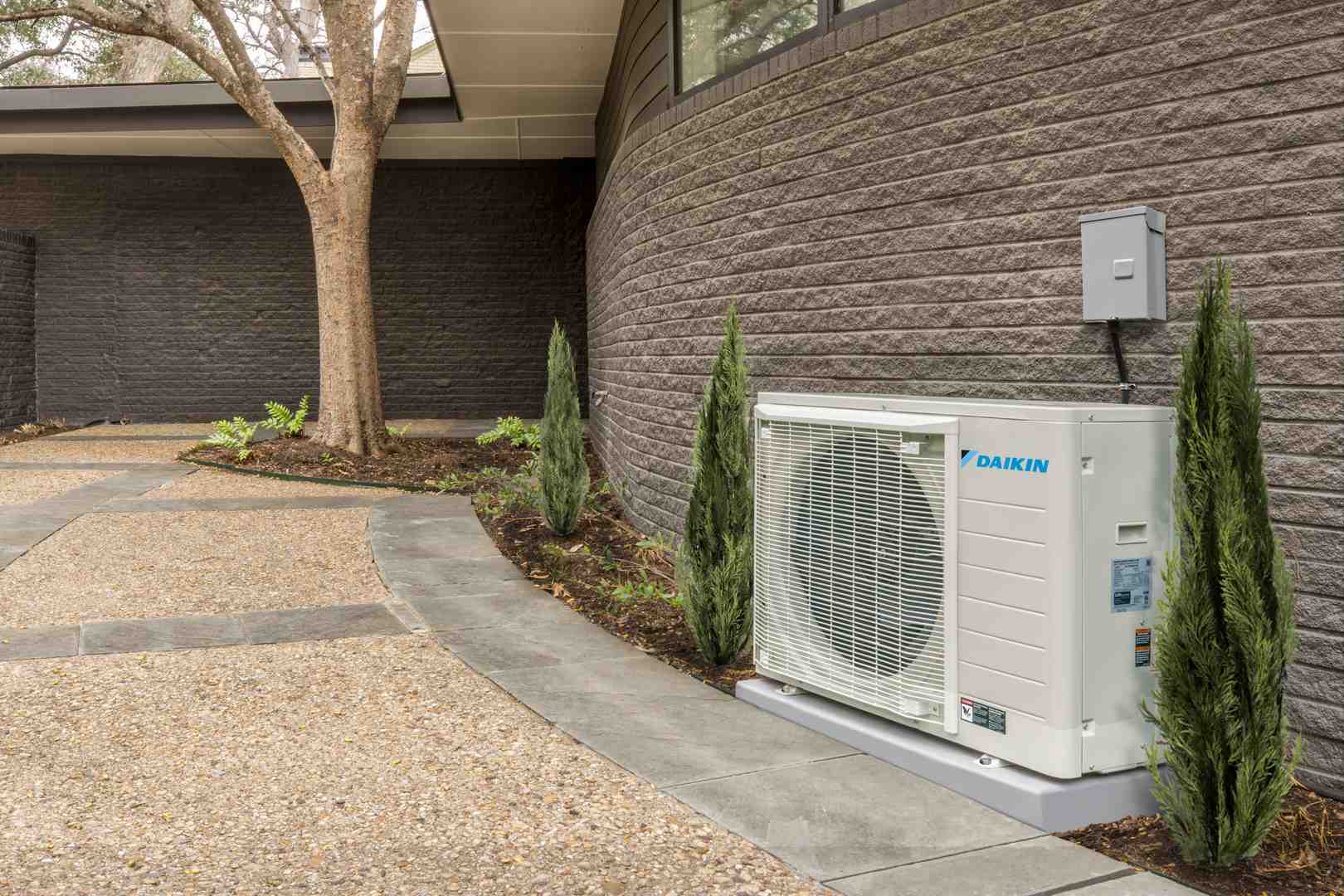
Our maritime climate is characterized by high humidity, relatively mild winters, and summers that are increasingly punctuated by intense heatwaves. This unique blend of weather patterns requires a highly versatile HVAC system.
When you ask yourself, is the daikin fit right for your pacific northwest home, you have to look at how it manages both the damp winter chill and the dry summer heat. The continuous, low-speed operation of the inverter compressor is exceptionally good at removing moisture from the air during the summer cooling months. Instead of a quick blast of cold air that leaves the house feeling clammy, the system runs longer, gentler cycles that pull moisture out of the indoor air, leaving your home feeling cool, crisp, and comfortable.
For a deeper dive into how these systems match our local climate, read about the Daikin Fit Heat Pump Benefits for Your Home.
Heating Performance During Cold Snaps: Is the Daikin Fit Right for Your Pacific Northwest Home?
One of the most common concerns we hear from homeowners in King County is whether a heat pump can handle our winter weather. While our winters are generally mild, we do experience occasional arctic blasts that bring freezing temperatures and snow to the Puget Sound lowlands.
Modern cold-climate heat pumps are engineered to extract heat from the outdoor air even when temperatures drop well below freezing. The Daikin Fit is highly capable in these conditions. It maintains excellent heating capacity down to the low temperatures typically seen during our coldest winter nights.
However, for homeowners in higher elevations or areas prone to severe wind chill, we often design systems with a form of auxiliary backup heat—such as electric heat strips inside the air handler or by pairing the heat pump with a high-efficiency gas furnace in a "dual-fuel" configuration. This ensures that even during a historic cold snap, your home remains perfectly warm. To understand how these systems perform when the mercury drops, explore our resources on the Daikin Cold Climate Heat Pump Seattle.
Sizing and Efficiency: Is the Daikin Fit Right for Your Pacific Northwest Home?
To get the most out of your system, proper sizing is absolutely critical. We never rely on basic rules of thumb like square footage alone. Instead, we perform a detailed Manual J heat load calculation. This calculation takes into account:
- The local design temperatures for the Seattle area
- The insulation levels in your attic, walls, and crawlspace
- The orientation, size, and efficiency of your windows
- Your home's natural air infiltration rate
By matching the system's capacity to your home's actual heating and cooling loads, we ensure optimal efficiency and comfort. In terms of efficiency ratings, the Daikin Fit boasts impressive SEER2 (Seasonal Energy Efficiency Ratio 2) and HSPF2 (Heating Seasonal Performance Factor 2) ratings. These industry-standard metrics measure how much heating or cooling the system delivers per unit of electricity consumed. Because the system utilizes variable-speed inverter technology, its real-world operating efficiency often outperforms traditional systems, leading to substantial year-round savings on your electric bills. For more information on how to interpret these ratings, see our Complete Heat Pump Efficiency Guide.
Installation Considerations for Seattle and Renton Homes
Every home in the Pacific Northwest has its own unique layout and architectural character. Whether you live in a historic craftsman in Seattle or a mid-century ranch in Renton, the physical installation of your HVAC system requires careful planning.
| Configuration | Best Suited For | Key Advantage | Space Requirement |
|---|---|---|---|
| Ducted Daikin Fit | Homes with existing, well-designed ductwork | Whole-home comfort through a single system | Requires space for an indoor air handler or furnace |
| Ductless / Multi-Zone | Homes without ducts, additions, or historic properties | Individual room temperature control | Minimal; only requires small refrigerant line penetrations |
The side-discharge cabinet of the outdoor unit is a massive advantage for urban and suburban lots alike. Traditional top-discharge units require several feet of clearance on all sides to operate properly and prevent recirculating hot air. In contrast, the slim cabinet of the Daikin Fit can be installed close to exterior walls, leaving valuable yard space open for patios, gardening, or walkways. This is particularly beneficial in tight neighborhoods where property lines are close together. Learn more about local installations by reading about Energy Efficient Heating and Cooling for Home in Renton WA.
Retrofitting Older Homes with Existing Ducts
If you are replacing an older gas furnace in a 1950s–1970s ranch or craftsman home, you likely already have a network of ductwork running through your crawlspace or attic. Retrofitting a modern heat pump onto these existing ducts is a fantastic option, but it does require professional evaluation.
Older duct systems were often designed with different airflow requirements than modern heat pumps. Our team will measure the static pressure of your existing ductwork to ensure it can handle the airflow of a new variable-speed system. We also look for duct leakage, which can account for a significant loss of conditioned air. By sealing leaky ducts and utilizing modular, multi-position air handlers, we can optimize the airflow throughout your home, ensuring that every room receives the perfect amount of heating and cooling.
Indoor Air Quality and Sustainability Features
In recent years, indoor air quality (IAQ) has become a top priority for homeowners in western Washington. Between seasonal pollen, mold spores from our damp winters, and the unfortunate reality of late-summer wildfire smoke, the air we breathe inside our homes needs active protection.
The Daikin Fit integrates seamlessly with the Daikin One ecosystem, which includes the Daikin One Home Air Monitor. This smart device constantly monitors your indoor air for particulate matter (PM2.5), volatile organic compounds (VOCs), and humidity levels. When the monitor detects a spike in pollutants—such as during a wildfire smoke event—it can automatically instruct the system to run the indoor fan at a higher speed, pulling the air through your high-efficiency filters to clean it rapidly.
Furthermore, Daikin is a leader in environmental sustainability. The brand has been at the forefront of adopting low global warming potential (low-GWP) refrigerants, which significantly reduce the environmental impact of your HVAC system over its lifetime. To read more about these environmental initiatives, view our articles on Daikin Low GWP Refrigerant Seattle and Daikin Sustainability Seattle.
Managing Humidity and Ventilation in Southwest Washington
Damp winters can easily lead to excess indoor humidity, which creates the perfect breeding ground for mold, mildew, and dust mites. Because the Daikin Fit runs longer, more consistent cycles at lower speeds, it provides continuous air filtration and mixing. This prevents stagnant pockets of air from forming in corners or closets where moisture tends to accumulate.
For homes that require active fresh air exchange, the system can be paired with mechanical ventilation options like Energy Recovery Ventilators (ERVs). These systems exhaust stale indoor air while bringing in fresh outdoor air, pre-heating or pre-cooling the incoming stream so you don't lose energy in the process. Combined with MERV 15 filtration, which captures over 85% of microscopic particles down to 0.3 microns, you can breathe easy knowing your indoor environment is clean and safe.
Maximizing Your Investment: Rebates, Incentives, and Maintenance
Upgrading your home's heating and cooling system is a significant investment, but there are excellent programs available in 2026 to help offset the initial cost. Because the Daikin Fit is a highly efficient, qualified heat pump, it is eligible for several valuable financial incentives:
- Federal Energy Efficient Home Improvement Credit (Section 25C): Homeowners can claim a federal tax credit of up to 30% of the total installation cost (up to a maximum credit of $2,000) for qualifying high-efficiency heat pumps.
- Local Utility Rebates: Major utilities in the Seattle area, including Seattle City Light and Puget Sound Energy (PSE), offer generous rebates for customers who transition from older electric resistance heating or gas furnaces to high-efficiency heat pumps.
- Statewide Incentives: Washington State continues to roll out programs aimed at reducing residential carbon emissions, making it easier than ever to choose a sustainable path.
To explore the long-term environmental and financial benefits of making the switch, check out our guide to Sustainable Home Heating.
Once your new system is installed, protecting your investment requires regular, basic maintenance. Just like a car, a heat pump needs clean air filters and clear outdoor coils to run at peak efficiency. For ductless variations of these systems, we have compiled a list of handy homeowner tips in our Daikin Ductless Maintenance Tips for Pacific Northwest Homes. Keeping the outdoor unit free of leaves, snow, and debris ensures that the system can transfer heat efficiently all year long.
Frequently Asked Questions about the Daikin Fit
Does the Daikin Fit require backup heat in Seattle?
For the vast majority of winter days in the Seattle area, the Daikin Fit has more than enough heating capacity to keep your home warm without any assistance. However, during rare, extreme arctic cold snaps where temperatures drop into the teens or single digits, the system's heating capacity naturally decreases. To ensure complete comfort during these rare events, we often install auxiliary electric heat strips inside the indoor air handler, or configure the system as a "dual-fuel" setup paired with a high-efficiency gas furnace.
How quiet is the Daikin Fit outdoor unit?
The Daikin Fit is one of the quietest outdoor units on the market. Thanks to its side-discharge design and inverter-driven compressor, it operates at decibel levels as low as 56 dB—which is roughly the volume of a quiet conversation or a gentle rainfall. This makes it perfect for tight urban lots in Seattle where outdoor units must comply with strict neighborhood noise ordinances.
What rebates are available for Washington homeowners in 2026?
In 2026, Washington homeowners can take advantage of the Federal 25C tax credit, which covers up to $2,000 of the cost of a qualifying heat pump. Additionally, local utilities like Seattle City Light and Puget Sound Energy offer substantial rebates for upgrading to energy-efficient heat pump systems. Our team can help you navigate these applications to ensure you maximize your savings.
Conclusion
Determining whether the Daikin Fit is the perfect solution for your home comes down to evaluating your physical space, your existing ductwork, and your comfort goals. With its compact footprint, whisper-quiet operation, and incredible energy efficiency, it is uniquely suited to handle the diverse climate demands of the Pacific Northwest.
If you would like to see these systems in action and learn more about how inverter technology can transform your home comfort, we invite you to visit our unique Pacific Northwest Daikin Experience Center in Seattle. You can interact with the products firsthand, talk with our friendly experts, and get a personalized understanding of what a Daikin system can do for you.
Ready to take the next step toward sustainable, year-round comfort? Visit our Heat Pump Hub to schedule your personalized consultation today!

Schedule a Visit

your individual indoor comfort needs
products firsthand
with an authorized Daikin Dealer
.webp)
See why our customers Choose Us

“Jem is very inviting and knowledgeable. She gave us a walk through of the Daikin Experience Center and patiently answered all our questions. Learned a lot about HVAC’s through this visit.”
“Jem did a great job walking us through the various Daikin products and efficiencies of the products. She was very knowledgeable on everything Daikin. Highly recommend coming in for a tour prior to picking out your various AC systems.”
“Great experience at Daikin Seattle Experience Center: pre-purchase demos of home heating system (Daikin Fit), list of HVAC companies, working Daikin staff and external contractors to ensure highest quality. This experience sets the bar of how any home HVAC experience should be. Have got the Daikin Fit installed and so far seems to work very well – quiet, good home heating in peak winter (heat transfer/BTU/air handling); Functionality of Daikin thermostat and the iPhone app makes it very easy to use.”
“This place is awesome! If you are in the market for a new HVAC system, visit the Daikin Experience Center to get educated on the newest technology as well as available rebates and incentives for where you live. They’ll even connect you with local contractors in your area who install Daikin equipment.”
